Where sport lifestyle and recreation began for me
When I was young, sport lifestyle and recreation didn’t have a name. It was simply play. I remember running through backyards, climbing trees, riding my bike until the sun disappeared. None of it was planned, none of it was serious. It was fun, pure and simple. I wasn’t chasing health or strength. I was chasing the feeling of freedom in my body. Years later, when life became more structured, I noticed how much I missed that ease. Returning to movement as an adult was less about training and more about remembering. Sport lifestyle and recreation gave me back that sense of freedom I had almost forgotten.
Table of Contents
What sport lifestyle and recreation mean to me today
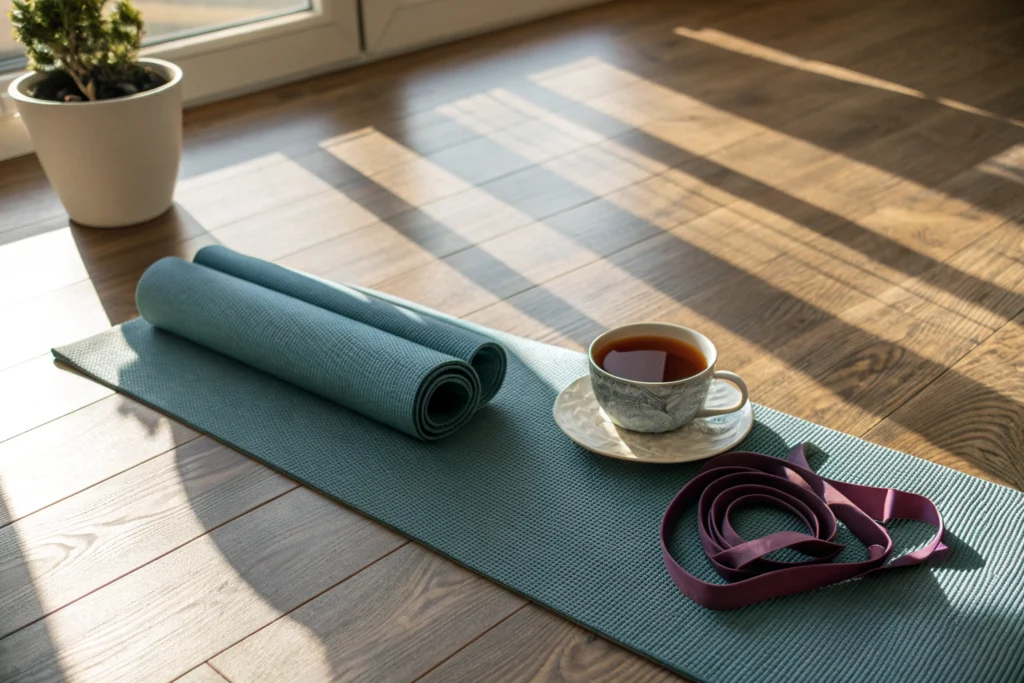
These days, sport lifestyle and recreation aren’t separate from daily life. They are stitched into it. Some mornings it’s a quiet yoga flow. Other times it’s a fast walk that clears my head. On weekends it might be a game of tennis with friends where laughter matters more than winning. To me, recreation is about moving in ways that feel natural. It doesn’t have to be intense. It doesn’t even need rules. It only needs rhythm. That rhythm brings balance, not just for my body but for my mind. Sport lifestyle and recreation have become the way I keep life from tipping too far in one direction.
The blend of movement and food
For me, food and movement are always tied together. When I eat well, I move better. When I move, I crave better food. Sport lifestyle and recreation are fueled by simple plant based meals oats in the morning, lentils or tofu in the evening, fruit and nuts in between. A smoothie after a run feels like more than a drink, it feels like recovery. Roasted chickpeas after yoga give me energy without weighing me down. I don’t separate wellness into categories. Food, recreation, and rest form one whole. Together, they create balance. That is why my vegan lifestyle fits so easily inside this rhythm.
Sport lifestyle and recreation as community
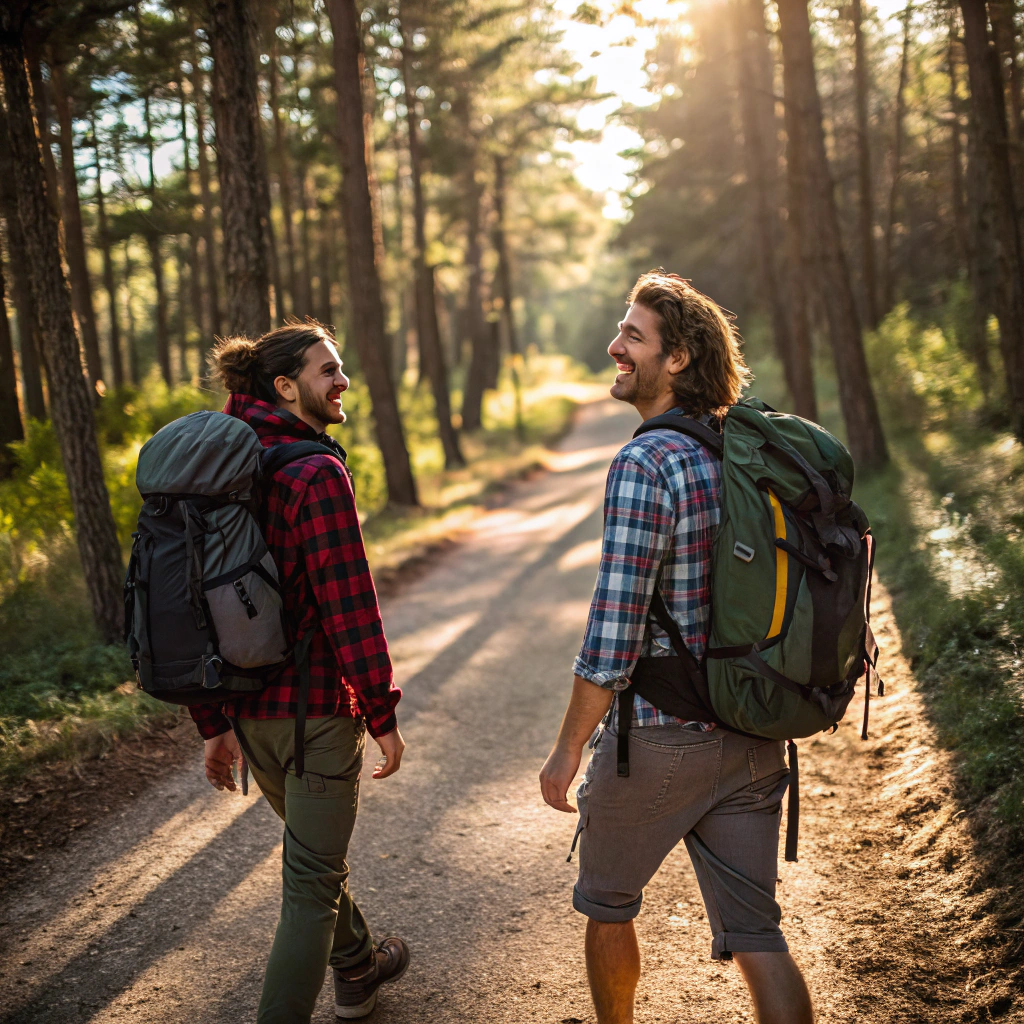
Some of my favorite memories live in moments of shared recreation. Playing basketball on a cracked court with friends, hiking trails where conversations flowed as easily as footsteps, or joining a group yoga session where strangers moved like they had known each other forever. Sport lifestyle and recreation create spaces where people meet without pretense. Skills don’t matter, effort doesn’t matter. Showing up is enough. Movement builds connection, laughter seals it. Those shared breaths and shared games remind me that recreation isn’t only personal. It is collective. It is how we remember that health is bigger than just one body.
How recreation supports mental health
On days when stress climbs too high, I know what I need. I step outside and walk, or I grab my bike and let my legs do the talking. Recreation clears space in my mind that nothing else can. Problems don’t vanish, but they shrink to a size I can handle. Sport lifestyle and recreation are more than physical outlets. They are emotional ones. My mood lifts, my focus sharpens, and I feel present again. The body carries what the mind cannot. When I move, I unload. That balance is why I trust movement as deeply as I trust sleep or food.
Building small habits into lifestyle
Sport lifestyle and recreation don’t start big. They start with tiny steps. Five minutes of stretching while the coffee brews. A short walk after dinner. Playing outside with my kids. These are not workouts, but they are movement, and they matter. I’ve learned that small habits grow stronger with repetition. Soon they become routine, and routines build lifestyle. People think you need hours at the gym, but you don’t. You only need to start, and to keep showing up in small ways. Over time, those small choices write the story of a healthy life. That is the heart of sport lifestyle and recreation.
Sport lifestyle and recreation through the years
The beauty of recreation is how it changes with you. As a boy, I ran and played. In my twenties, I pushed harder longer runs, tougher sessions. Now I choose balance. Yoga, cycling, hiking. Activities that keep me strong without draining me. I know in the future my routines will shift again. That doesn’t worry me. Sport lifestyle and recreation aren’t about staying the same, they are about staying alive. They adapt as our bodies adapt, as our needs shift. That is why they last. They are not locked in time. They grow, they bend, they change and they keep us moving forward.
Recreation as balance between work and rest
Modern life pushes us to work more, sit longer, scroll endlessly. Recreation interrupts that cycle. When I leave my desk after hours of writing, the cure isn’t another screen, it’s movement. Even a short walk changes how the evening feels. Recreation shows me that rest isn’t only about stillness. Active rest is real stretching, playing, moving slowly. It doesn’t drain me, it restores me. That is balance. Sport lifestyle and recreation teach me that life isn’t about endless work or endless rest. It’s about weaving both, creating a rhythm that carries you without burning you out.
Why joy matters in recreation
I learned the hard way that discipline isn’t enough. If I don’t enjoy the movement, I stop. Joy is what makes sport lifestyle and recreation sustainable. I choose activities that make me smile. Dancing in the kitchen, cycling through open roads, hiking under trees, playing games that don’t keep score. Joy keeps me coming back. It turns exercise into recreation, and recreation into lifestyle. The joy doesn’t need to be loud. Sometimes it’s as quiet as breathing during yoga or laughing with a friend on a trail. Without joy, it feels like a chore. With joy, it becomes a gift.
Sport lifestyle and recreation as family tradition
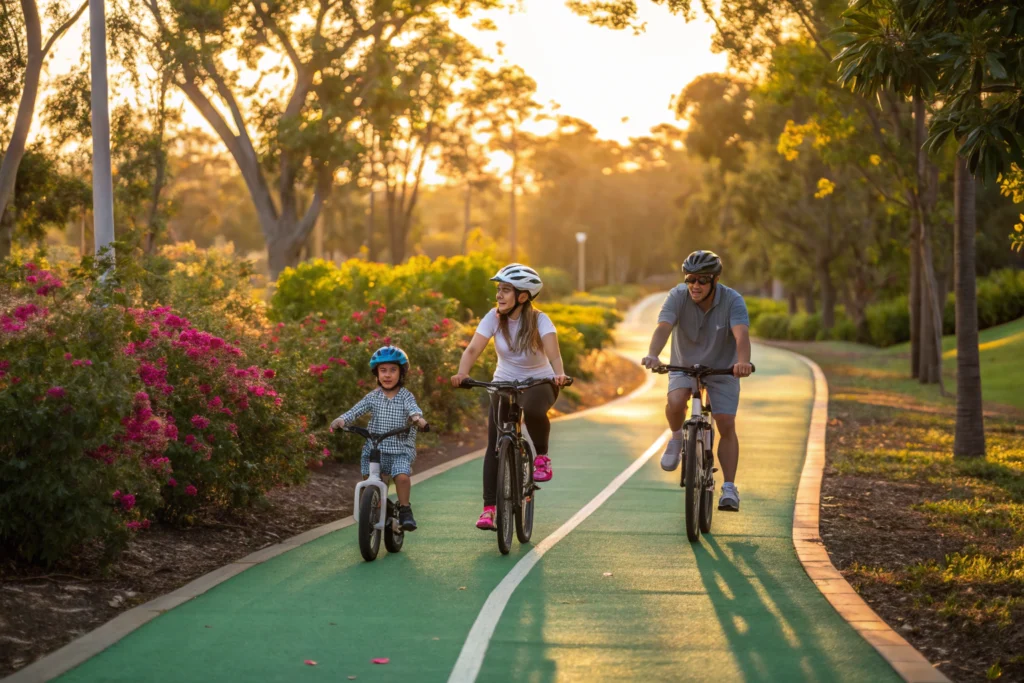
Some of the most meaningful moments of recreation are with family. Teaching my child to ride a bike, hiking together on weekends, walking after dinner as the sun sets. These aren’t just activities. They’re traditions being planted. My children may not remember every detail, but they will remember the feeling. Sport lifestyle and recreation pass from one generation to the next, not by instruction, but by example. When families move together, they share more than health. They share memory. They build rituals that become anchors, stories that get retold. This is how recreation becomes legacy.
Passing the idea on to others
At first, I thought my approach to recreation was personal, just mine. But then friends began noticing. One joined me for a walk and told me later it cleared his head more than anything else. My sister started sketching outside and moving more because she wanted to, not because she had to. Each person found their own version of sport lifestyle and recreation. That’s what I love it looks different for everyone. No kit, no rulebook, no perfect version. Just movement, in whatever way feels human. Recreation is not about copying. It is about finding what makes you feel alive.
Recreation as a form of creativity
When I think about sport lifestyle and recreation, I don’t just see movement. I see creativity. A hike becomes a way to notice colors in the trees, a bike ride turns into a moving meditation, a simple game can spark laughter that feels like art. Recreation gives me space to imagine. Sometimes after a long walk, I sit down and write recipes with new ideas. Other times, a swim clears the fog and makes me see solutions I missed before. Creativity and recreation live side by side. When the body moves, the mind loosens, and something new always appears.
Finding peace in solo recreation
Not every moment of recreation needs company. Some of the most grounding times are when I am alone. A quiet jog through empty streets at dawn, stretching on the floor while the house still sleeps, or riding my bike with nothing but the sound of tires on the road. Solo recreation is when I listen to myself most closely. Without distractions, I hear what I need. The silence becomes healing. Sport lifestyle and recreation are about community, yes, but they are also about solitude. Both sides balance each other, just as movement balances stillness.
Learning patience through sport
Recreation teaches patience in ways I didn’t expect. I used to rush, wanting results fast. But you can’t force progress. Running teaches you to pace yourself. Yoga teaches you to breathe through discomfort. Hiking teaches you that some paths take time. These lessons spill into daily life. I carry more patience with people, with myself, with the world around me. Sport lifestyle and recreation are not about perfection, they are about practice. Every time I move, I am reminded that patience isn’t waiting it’s learning to stay steady through the process.
How nature shapes recreation
Most of my favorite moments of recreation happen outdoors. Nature has a way of changing how you move. A walk in the forest feels different from a treadmill. Cycling along the coast feels different from cycling indoors. Nature offers rhythm, unpredictability, beauty. It reminds me that sport lifestyle and recreation are not just physical. They are deeply connected to the earth. Breathing fresh air, hearing birds, feeling sun or rain these things turn movement into experience. Nature is not just the backdrop, it is the partner in my recreation.
Rest as part of recreation
I used to think recreation meant constant activity. Over time, I learned that rest is part of it too. Muscles repair in stillness, the mind settles in quiet. After long bike rides, I take naps that feel like part of the training. After yoga, I let myself lie down for a few minutes, absorbing calm. Rest is not the opposite of recreation. It completes it. Sport lifestyle and recreation are about balance, and balance always includes both movement and pause. Without rest, movement loses meaning. With rest, it becomes sustainable.
How recreation changes perspective
There have been many times when recreation shifted my perspective. I left the house angry, my head filled with frustration. After an hour of walking, the same problems looked smaller. I finished a run and suddenly saw a solution that felt invisible before. Recreation doesn’t change life itself, but it changes how I see life. That difference matters. Sport lifestyle and recreation are not just about keeping the body fit. They give the mind a new lens, and sometimes a new lens is all you need to find peace.
Teaching through example
I’ve noticed that when I move, the people around me notice too. My kids see me stretch in the morning, and they try it. Friends see me choose a walk over a car ride, and sometimes they join. I don’t lecture, I don’t persuade. I just live it. Sport lifestyle and recreation spread quietly, through example. We pass it on without speeches, just through habits. That is how traditions form. People copy what they see, and if what they see is balance, they learn to carry it themselves.
Finding joy in simple tools
I used to think recreation needed equipment, but I’ve learned that some of the best moments come from simple tools. A jump rope, a ball, a yoga mat. These are small, affordable, and powerful. Even walking shoes can be enough. I don’t need expensive gadgets or memberships to live sport lifestyle and recreation. What matters is how I use what I have. Simplicity makes recreation more human. It lowers the barrier and keeps the focus where it belongs on movement, joy, and connection.
The quiet discipline behind joy
Joy drives recreation, but discipline keeps it alive. Some days I don’t feel like moving, yet I know the difference it makes. I lace up my shoes anyway, even if it’s only for a short walk. Discipline doesn’t kill joy it protects it. By showing up even when I don’t want to, I keep the rhythm alive. Then joy returns naturally. Sport lifestyle and recreation live in that balance. Joy without discipline fades, discipline without joy burns out. Together, they create something lasting.
How laughter fits into sport lifestyle
When I think of recreation, I think of laughter as much as sweat. Playing a silly game with friends, missing shots on purpose, stumbling while trying a new move these moments are joy. Sport lifestyle and recreation are not about looking serious. They are about letting the body feel alive. Laughter releases the tension as much as the exercise itself. When I laugh during movement, I remember why I started: not to achieve perfection, but to enjoy the act of being human in motion.
Movement as meditation
I never thought of myself as someone who could meditate, but sport lifestyle gave me a way. Running becomes a rhythm that silences the noise in my head. Cycling turns into a flow where thoughts untangle. Even stretching can feel like prayer when I focus on breath. Recreation doesn’t need to be still to be mindful. Movement itself can be meditation. Sport lifestyle and recreation taught me that mindfulness isn’t limited to cushions or candles. Sometimes it is found in the sound of footsteps, the turning of pedals, the rise and fall of breath.
Sport lifestyle across cultures
Travel has shown me that sport lifestyle and recreation look different everywhere, yet the spirit stays the same. In one country people gather for morning tai chi, in another for evening soccer. Some dance in open squares, others walk long markets that stretch for miles. Everywhere I go, I see that recreation is universal. We all seek joy in movement. The styles may change, but the need doesn’t. Sport lifestyle is a language we all understand, even when words are different.
FAQ
How do I start a sport lifestyle
Begin small. Walk, stretch, or play a simple game. Consistency matters more than intensity.
What are examples of recreation activities
Hiking, cycling, yoga, basketball, swimming, dancing, or even playing with kids.
Do I need a gym for a sport lifestyle
No. Parks, living rooms, and backyards are enough. Gyms can help, but they’re optional.
Can families share recreation together
Absolutely. Evening walks, bike rides, or games in the yard create shared traditions.
Can recreation improve resilience in daily life
Yes. Sport lifestyle and recreation build persistence, patience, and adaptability that extend beyond physical activity.
How often should I practice sport lifestyle and recreation
There is no strict rule. Even 20–30 minutes a day of gentle activity like walking or stretching makes a difference. The key is consistency.
Can sport lifestyle and recreation reduce anxiety
Yes. Gentle movement like walking, yoga, or cycling lowers tension and helps regulate breathing, easing anxious thoughts.
How much time should children spend on recreation daily
Experts recommend at least one hour of active play each day. It supports growth, energy, and emotional well-being.
Can I practice sport lifestyle and recreation without a schedule
Absolutely. You don’t need a rigid plan. Spontaneous movement, play, or walks still count and keep the lifestyle natural.
Does recreation always need to be physical
No. Creative activities like drawing, gardening, or dancing can also be forms of recreation when they bring joy and relaxation.