
The Day I Discovered That Food Could Actually Heal Me
I remember sitting on my kitchen floor, back against the cabinet, holding a bowl of something I had thrown together in fifteen minutes, wondering why I had never felt this good after eating before. It was not a fancy restaurant meal. It was not something I had spent hours preparing. It was a bowl of whole, intentional, nutrient-driven food that I had built from scratch using everything I had learned over months of research, trial, and a kind of quiet desperation to feel better in my own skin.
Table of Contents
That research led me to york nutritional laboratory, a place and a methodology that shifted how I thought about the relationship between what we eat and how our bodies actually function at a cellular level. Understanding the science behind nutrient absorption, food synergy, and bioavailability changed everything for me. It did not just change my recipes. It changed my relationship with eating altogether.
I am Caleb Leuchi, and I write about food the way I live it. With feeling. With intention. And with the deep, unshakeable belief that what you put in your body should nourish you in ways that go far beyond just filling you up.
This article is about a recipe I built entirely around those principles. A vegan nutritional bowl that is layered with intention, packed with bioavailable nutrients, and honestly one of the most satisfying things I have ever made. Let me take you into it.
My Story With This Recipe: York Nutritional Laboratory
There was a season in my life where I was eating what I thought was a healthy diet and still feeling exhausted, foggy, and disconnected from my own body. I was plant-based, which felt like it should have been the answer, but something was off. My energy would spike and crash. My digestion was inconsistent. I was doing everything right on paper and yet I felt like I was running on empty.
A friend suggested I look into the science of nutritional absorption. She mentioned labs and researchers who were studying not just what nutrients are in food but how the human body actually receives and uses them. That conversation sent me down a research spiral that lasted weeks. I read about enzymatic activation, mineral cofactors, fat-soluble vitamins, and how the order in which you eat certain foods can dramatically change what your body pulls from them.
The principles I kept returning to reminded me constantly of the foundational philosophy behind york nutritional laboratory and the kind of data-driven, food-first wellness approach that organization has championed. It was not about supplements or shortcuts. It was about understanding what food is at its most fundamental level and building meals around that understanding.
So I started cooking differently. I started pairing iron-rich plants with vitamin C sources. I started soaking grains and seeds to unlock their nutrients. I started using healthy fats as delivery systems for fat-soluble compounds. I started thinking about my bowl not as a collection of ingredients but as a system of interconnected nutritional choices.
This recipe was born from that transformation. It has evolved over many months. It has gone through probably forty different versions. But what you are reading now is the one I come back to every single week, the one that makes me feel like my body finally has what it needs.
Ingredients: York Nutritional Laboratory
This bowl is designed for two generous servings. Every ingredient has a reason for being here. Nothing is decorative. Everything is intentional.
For the Grain Base
One cup of short grain brown rice, rinsed and soaked for at least four hours
Half a cup of red quinoa, rinsed thoroughly
Two cups of vegetable broth, low sodium
One tablespoon of extra virgin olive oil
Half a teaspoon of sea salt
One small strip of kombu seaweed (this is optional but it adds minerals and aids digestion)
For the Roasted Vegetables
One medium sweet potato, peeled and cubed into one inch pieces
One cup of broccoli florets, cut small
One red bell pepper, sliced into strips
Half a red onion, sliced thick
One tablespoon of avocado oil
One teaspoon of smoked paprika
Half a teaspoon of ground turmeric
Half a teaspoon of garlic powder
Quarter teaspoon of black pepper (this is essential because it activates the curcumin in turmeric)
A generous pinch of sea salt
For the Marinated Chickpeas
One and a half cups of cooked chickpeas, drained and rinsed if using canned
Two tablespoons of tamari or coconut aminos
One tablespoon of apple cider vinegar
One teaspoon of toasted sesame oil
Half a teaspoon of ground cumin
Half a teaspoon of smoked paprika
One clove of garlic, minced fine
For the Tahini Lemon Dressing
Three tablespoons of raw tahini
Juice of one and a half lemons
One small garlic clove, grated
Two tablespoons of warm water
One teaspoon of maple syrup
Quarter teaspoon of sea salt
A pinch of cayenne pepper
For the Toppings
Two handfuls of raw baby spinach or arugula
One ripe avocado, sliced
Two tablespoons of raw pumpkin seeds
One tablespoon of hemp hearts
A small handful of fresh parsley, roughly chopped
Half a teaspoon of black sesame seeds
Microgreens, as many as you like
One lemon wedge per bowl for finishing
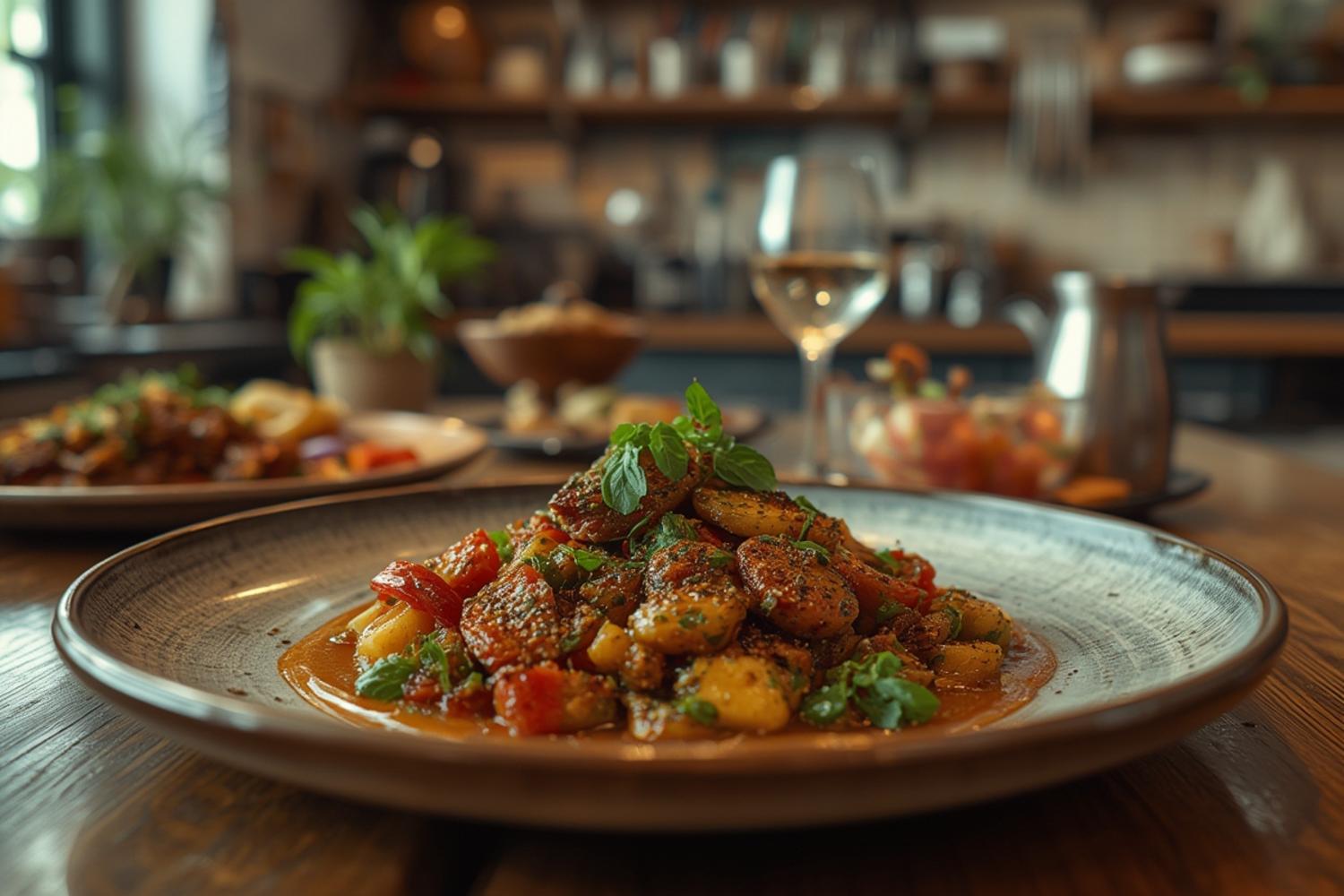
The vegan nutritional bowl you are building here is not just a meal. It is a full nutritional profile designed to give your body iron, omega fatty acids, complete proteins, fiber, antioxidants, and a range of vitamins in a single sitting. Every component plays a role in that system.
Step by Step Preparation: York Nutritional Laboratory
Soak and Cook the Grains
Begin by soaking your brown rice in cold water for at least four hours, and overnight if you have the time. This process breaks down phytic acid, which is an antinutrient that binds to minerals like zinc, calcium, and iron and prevents your body from absorbing them. Soaking is one of those small steps that makes a dramatic difference in what you actually receive nutritionally from your food.
After soaking, drain the rice and combine it with the rinsed quinoa in a medium saucepan. Add the vegetable broth, olive oil, sea salt, and the kombu strip if you are using it. Bring everything to a boil over medium high heat, then reduce to a low simmer, cover with a lid, and cook for thirty five minutes. When the liquid is absorbed and the grains are tender, remove from heat, discard the kombu, fluff gently with a fork, and allow to rest covered for ten minutes.
Marinate the Chickpeas
While the grains are cooking, combine all the marinade ingredients in a medium bowl and stir well. Add the chickpeas and toss until every single one is coated. Let them sit for at least twenty minutes at room temperature. The longer they sit, the deeper the flavor goes. If you want an even richer taste, you can marinate them overnight in the refrigerator.
Roast the Vegetables
Preheat your oven to four hundred degrees Fahrenheit or two hundred degrees Celsius. Line a large baking sheet with parchment paper. In a large bowl, combine the sweet potato, broccoli, bell pepper, and red onion. Drizzle with avocado oil and add all the spices. Use your hands to toss everything together until every piece is well coated.
Spread the vegetables in a single layer on the baking sheet, making sure nothing is overcrowded. Overcrowding creates steam instead of roasting, and you lose that caramelized edge that makes roasted vegetables so irresistible. Roast for twenty five to thirty minutes, flipping once halfway through, until the edges are golden and slightly crisp.
Sear the Chickpeas
Once the vegetables are out of the oven, heat a cast iron or heavy bottomed skillet over medium high heat. Add the marinated chickpeas without any additional oil. You want them to hit a dry, hot pan so they get a slight char on the outside. Cook for about six to eight minutes, stirring occasionally, until they are golden and slightly crispy. This adds texture and a depth of flavor that completely elevates the bowl.
Make the Tahini Dressing
In a small bowl or jar, combine the tahini, lemon juice, grated garlic, maple syrup, sea salt, and cayenne. Whisk together or shake in a jar. The tahini will seize up initially, which is normal. Add the warm water one tablespoon at a time, whisking continuously until the dressing becomes smooth, creamy, and pourable. Taste and adjust. More lemon if you want brightness. More maple if you want a touch of sweetness. More cayenne if you want heat.
Assemble the Bowl
This is my favorite part. Start with a generous base of the grain mixture. Add a handful of raw spinach or arugula directly on top of the warm grains, the heat will gently wilt the greens just enough. Layer the roasted vegetables on one side and the seared chickpeas on the other. Add the sliced avocado. Drizzle the tahini dressing generously over everything. Scatter pumpkin seeds, hemp hearts, black sesame seeds, fresh parsley, and microgreens over the top. Finish with a squeeze of fresh lemon juice right before eating.
The process of building this vegan nutritional bowl is as meditative as it is practical. Each step builds on the last, and what you end up with is something that looks as stunning as it tastes.
Why This Recipe Works: York Nutritional Laboratory
There is a reason this bowl feels different from other plant-based meals you may have tried. It is built on nutritional synergy, and that concept is at the heart of what informed my research into york nutritional laboratory’s approach to food science.
The turmeric and black pepper pairing is one of the most well documented examples of this synergy. According to a landmark study published in Planta Medica (Shoba et al., 1998), piperine, the active compound in black pepper, increases the bioavailability of curcumin from turmeric by up to two thousand percent. That is not a typo. Two thousand percent. Without the black pepper, most of the anti-inflammatory benefit of the turmeric passes right through you.
The spinach and lemon combination works similarly. Spinach contains non-heme iron, which is the form of iron found in plants, and it is notoriously harder for the body to absorb than heme iron from animal sources. Vitamin C dramatically increases non-heme iron absorption, and lemon juice is one of the most accessible and delicious ways to get that vitamin C right into the meal.
The avocado serves as a fat delivery system. Many of the most powerful antioxidants and vitamins in this bowl, including lycopene from the red bell pepper and beta carotene from the sweet potato, are fat-soluble. They need dietary fat to be absorbed. Avocado provides exactly that kind of healthy, monounsaturated fat in a form your body uses effortlessly.
Hemp hearts add complete protein, meaning they contain all nine essential amino acids. Quinoa also provides complete protein. This bowl is not just nutritionally rich. It is structurally designed for optimal human absorption and use, which is a philosophy I return to every single time I cook.
Serving Ideas: York Nutritional Laboratory
This bowl is a full meal on its own and needs nothing added to be complete. But if you love variety or are serving it for others, here are a few ways I love to present it.
Serve it alongside a cup of warm miso soup for a deeply nourishing, Japanese-inspired spread. The probiotics in miso add a gut health dimension that complements everything else in the bowl.
Build a bowl bar for dinner parties or meal prep situations where each component is served separately in individual dishes and everyone assembles their own. It is one of those comforting ways to eat together that also lets everyone customize to their own preferences.
Wrap the entire bowl in a large whole grain tortilla for a portable, substantial lunch that you can take anywhere. The tahini dressing keeps the wrap moist and flavorful even hours later.
Serve it over a bed of massaged kale instead of spinach for a heartier green base that adds a slightly bitter, earthy note and holds up beautifully under the warm components.
Pair it with a simple vegetable broth or a lemon ginger tea for a meal that feels like wellness in the most literal and sensory way possible.
Tips for Best Results: York Nutritional Laboratory
The grain texture matters more than most people realize. Brown rice can become gummy if you do not soak it long enough or if you use too much liquid. The ratio I gave you works well, but your specific stove, pot, and altitude may require small adjustments. Start checking at the thirty minute mark.
Toast your pumpkin seeds before adding them as a topping if you want an extra layer of flavor. A dry skillet over medium heat for two to three minutes is all it takes and the difference is remarkable.
The tahini dressing can be made up to five days in advance and stored in a sealed jar in the refrigerator. It thickens as it cools, so just add a small splash of warm water and stir before using.
For the chickpeas, the drier they are before they hit the hot pan, the crispier they will get. Pat them with a clean cloth or paper towel after rinsing to remove as much surface moisture as possible.
Use the best quality tahini you can find. The flavor difference between fresh, stone-ground tahini and shelf-stable versions is genuinely significant. It should taste nutty, slightly bitter, and rich, not bland or rancid.
If you want to boost the nutritional profile even further, add a teaspoon of nutritional yeast to the grain base while it is still warm. It adds B vitamins, a subtle cheesy flavor, and a kind of umami depth that works beautifully in this context.
Common Mistakes to Avoid: York Nutritional Laboratory
Skipping the soak on the brown rice is probably the most common mistake and also the one that most dramatically affects the final result. I know it requires planning ahead. But that planning pays off in both nutrition and texture.
Adding the leafy greens too early is another one. If you add spinach or arugula to the bowl and then let it sit for ten or fifteen minutes before eating, the greens will completely collapse and become watery. Add them right before serving so they have that fresh, slightly wilted quality that makes them so satisfying.
Overcrowding the roasting pan is a mistake I have made more times than I care to admit. Use two pans if you need to. Give those vegetables space to breathe and caramelize properly. A crowded pan is the difference between roasted vegetables and steamed ones, and those are completely different experiences.
Under-seasoning the grain base is subtle but important. The grains absorb a lot of flavor from the broth, but if your broth is bland or you skip the olive oil, the base will taste flat and the whole bowl loses its cohesion. Season as you go and taste before assembling.
Forgetting the acid at the end is something I used to do all the time. That final squeeze of lemon over the assembled bowl is not just garnish. It brightens every single flavor in the bowl and makes the whole thing taste more alive. Do not skip it.
Storage and Meal Prep: York Nutritional Laboratory
This bowl was essentially built for meal prep, which is one of the reasons I return to it so consistently.
The grain mixture stores beautifully in an airtight container in the refrigerator for up to five days. It reheats well with just a splash of water in a saucepan over low heat or in the microwave with a damp paper towel over the top.
The roasted vegetables stay good for four days refrigerated. I actually love eating them cold straight from the container because the flavors deepen overnight in a way that is genuinely wonderful.
The marinated chickpeas can be stored either seared or unseared for up to four days. If you have already seared them, they are best eaten within two days because they lose their crispiness, though the flavor remains excellent.
Make a large batch of tahini dressing and keep it in a small jar in the door of your refrigerator. It goes on everything, roasted vegetables, salads, grain dishes, and even as a dip for raw vegetables.
The assembled bowl, with the avocado and fresh greens, should be eaten the day it is made. But if you are prepping containers for the week, keep the avocado, greens, dressing, and seeds separate and add them fresh when you are ready to eat.
Variations: York Nutritional Laboratory
Winter Version
Swap the sweet potato for roasted butternut squash and add a handful of dried cranberries for tartness. Replace the arugula with shredded Brussels sprouts that you have massaged briefly with a drop of olive oil and sea salt. This version feels warming and grounding in the way that cold weather meals should.
High Protein Version
Add half a cup of shelled edamame to the roasted vegetables, swap the hemp hearts for a full quarter cup, and add two tablespoons of white bean hummus on the side of the bowl. This takes the protein content into territory that genuinely rivals most omnivore meals.
Mediterranean Version
Use a lemon and herb dressing instead of tahini, add kalamata olives and sun-dried tomatoes, swap the chickpeas for marinated white beans, and finish with fresh mint and a drizzle of good quality olive oil. The grain base remains the same and holds everything together beautifully.
Spicy Version
Add a tablespoon of gochujang to the chickpea marinade, increase the cayenne in the dressing, and top with sliced fresh red chili. This version hits with a slow heat that builds through the meal and is genuinely addictive.
Breakfast Version
This one surprises people but it works. Use the grain base warm, top with roasted cherry tomatoes, a few slices of avocado, a small pile of sautéed spinach, and a sprinkle of nutritional yeast. Skip the chickpeas and instead add a handful of soaked raw walnuts and a drizzle of tahini with just lemon and maple. It is a breakfast that sustains you until mid-afternoon without any heaviness.
Looking for more plant-based meal ideas rooted in real nutrition? Our guide to southern comfort food vegan recipes takes the same intentional approach to soul food classics that warm both the body and the spirit.
A Bowl That Means Something: York Nutritional Laboratory
There is a particular moment in cooking that I live for. It happens right after you finish assembling a dish, when everything is in place and you take that first look at what you have made before you take even a single bite. The colors, the textures, the steam still rising from the warm components. That moment is pure potential.
This bowl gives me that moment every single time.
What york nutritional laboratory taught me, or rather what the philosophy and science behind that approach illuminated for me, is that food is not passive. It does not just sit in your stomach and wait to be processed. It interacts with your body in complex, dynamic, interconnected ways that we are still only beginning to fully understand. How you prepare food, how you combine it, what temperature you eat it at, what time of day you eat it, all of these things matter. All of these things shape what your body actually receives.
York Nutritional Laboratory: Building meals around that understanding changed me. Not just physically, though the physical changes have been real and lasting. It changed me in a quieter, more interior way. It gave me a sense of agency over my own wellbeing that I had never felt before. And that sense of agency is one of the most nourishing things I have ever experienced. If building better daily habits around food and wellness resonates with you, our guide on self-care routine habits explores fifteen practices that genuinely make life feel better from the inside out.
This vegan nutritional bowl is my love letter to that transformation. It is the recipe I make when I want to feel cared for, when I want to give myself something truly good, when I want to remember that the act of cooking intentionally is itself a form of healing.
Make it slowly. Taste as you go. Eat it with attention. And pay attention to how you feel an hour later, two hours later, the morning after. That feedback is your body in conversation with you.
I hope this bowl starts a conversation you will want to keep having.
FAQ: York Nutritional Laboratory
What is york nutritional laboratory and why did it inspire this recipe?
York Nutritional Laboratory is an organization known for its work in food science and nutritional testing, particularly around how different individuals respond to various foods. Their philosophy, which centers around personalized nutrition and the biochemical relationship between food and human physiology, inspired me to think more carefully about not just what I eat but how my body actually uses it. This recipe applies those principles by using ingredient pairings that enhance nutrient bioavailability rather than simply stacking healthy foods together without thought.
Can I use white rice instead of brown rice in this bowl?
You can, though I would encourage you to try brown rice at least a few times before substituting. Brown rice contains significantly more fiber, magnesium, and B vitamins than white rice, and those nutrients play important roles in the overall nutritional profile of this bowl. If you do use white rice, reduce the cooking time to about eighteen minutes and skip the soaking step.
How do I make the chickpeas crispier without a cast iron pan?
A heavy stainless steel or nonstick skillet will work, though cast iron holds heat most evenly and gives the crispiest result. The key regardless of pan type is to use high heat, keep the pan completely dry, and resist the urge to stir the chickpeas constantly. Let them sit undisturbed for two to three minutes at a time so a proper crust can form before you move them.
Is this bowl suitable for people with gluten sensitivity?
Yes, absolutely. Every ingredient in this recipe is naturally gluten free. Just make sure to use tamari rather than regular soy sauce in the chickpea marinade, as traditional soy sauce contains wheat. Tamari is the gluten-free alternative and it tastes virtually identical in cooked applications like this one.
How can I increase the caloric density of this bowl for higher energy needs?
There are several easy ways to add more calories without changing the nutritional philosophy of the bowl. Add a full avocado instead of half. Double the tahini in the dressing. Add an extra quarter cup of hemp hearts. Increase the grain portion. You could also serve the bowl with a side of whole grain bread and extra tahini for dipping, which adds both calories and satisfaction in a really pleasant way.
Can I prepare this recipe if I have a nut allergy?
Yes, this recipe is entirely nut-free as written. Tahini is made from sesame seeds, not tree nuts, and all other ingredients are free from common nut allergens. If you have a sesame allergy in addition to a nut allergy, you can replace the tahini dressing with a simple lemon and olive oil vinaigrette and skip the sesame seeds in the toppings while keeping all the nutritional integrity of the rest of the bowl intact.