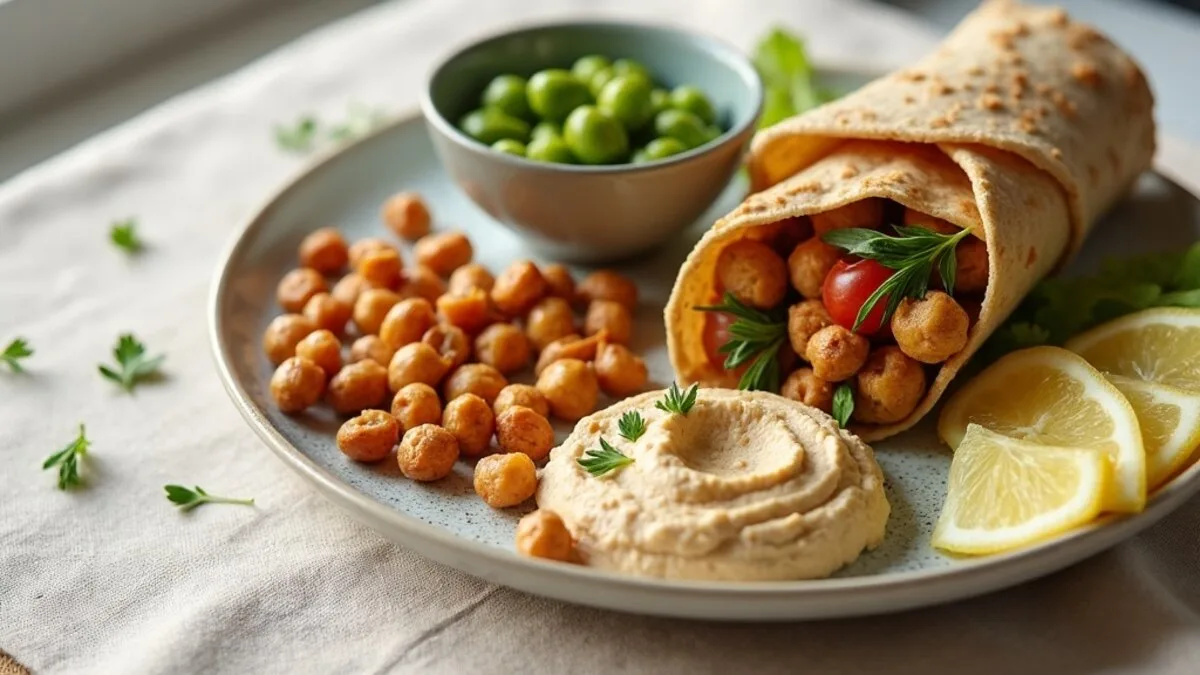
The best high-protein vegan snack recipes are built on chickpeas, edamame, soy, nuts and seeds, each carrying 8 to 15 grams of protein. Keep no-bake protein energy balls, roasted chickpeas, edamame, a bean dip, a portable high-protein vegan wrap and a tofu-based dessert in rotation, and the gaps between meals stop sending you to empty carbohydrate.
High-protein vegan snack recipes, where to start
Good high-protein vegan snack recipes solve one specific problem: the gap between meals where hunger arrives and the only fast option is empty carbohydrate. The fix is to keep a few protein-dense snacks within reach, built on chickpeas, edamame, soy, nuts, seeds and beans. Each snack here carries between 8 and 15 grams of protein, which is enough to hold you without spoiling the next meal. None of them are complicated, and most keep for days.
This is a sub-chapter of a bigger subject. If you want the full picture of how I build protein into a whole day of eating, start with my complete guide to high-protein vegan meals. This page zooms in on the in-between moments: the mid-morning lull, the pre-gym top-up, the 4pm slump that used to send me to the vending machine. Snacks are small, but they are where a lot of plant-based eaters quietly run low on protein.
What you will find below
I have grouped these into the snacks I actually rotate: no-bake protein energy balls, crunchy roasted chickpeas, portable high-protein vegan wraps, dips that turn raw veg into a real snack, and a couple of high-protein vegan desserts that double as an afternoon pick-me-up. There is also an honest section on shop-bought options, because some days I am not making anything from scratch and neither are you.
When the craving is small and the patience is smaller, I make one of these quick vegan sweet treats.
What makes a snack actually high in protein
A snack earns the label when it carries roughly 8 grams of protein or more. That sounds modest, but most popular snacks fall well short. A handful of crisps, a cereal bar or a piece of fruit gives you almost none, which is why they vanish from your stomach so quickly. Building a snack around a genuine protein source changes how long it holds you and how steady your energy stays between meals.
The most useful protein-dense snack foods are easy to keep around. A quarter cup of roasted chickpeas brings about 7 grams. Half a cup of shelled edamame carries roughly 9. Two tablespoons of peanut butter give about 7, and a quarter cup of soy yoghurt adds 6 or more. Pumpkin seeds, almonds and tofu all pull their weight too. As the Harvard T.H. Chan School of Public Health points out, a varied diet of whole plant foods supplies all the amino acids you need, so I do not worry about engineering a perfect protein at snack time. I just make sure it is genuinely there.
No-bake protein energy balls
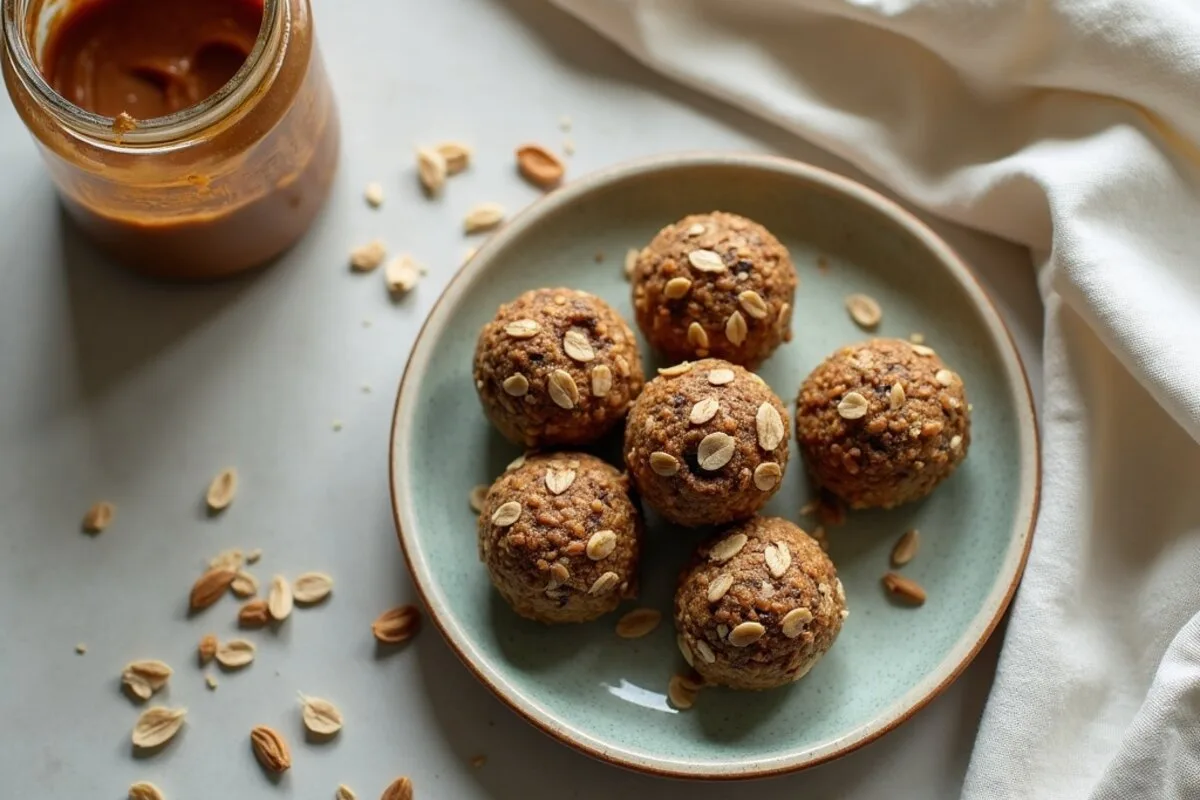
These are the snack I make most, because they take ten minutes, need no oven, and travel anywhere. A batch lives in the fridge and quietly rescues my afternoons. Each ball carries around 4 to 5 grams of protein, so two or three make a real snack. The base is oats and peanut butter, with a scoop of protein powder and some seeds doing the heavy lifting.
How I make them
In a bowl, stir together a cup of rolled oats, half a cup of peanut butter, a scoop of vanilla pea protein, two tablespoons of maple syrup, two tablespoons of ground flax and a handful of dark chocolate chips. Add a splash of soy milk if the mix feels dry. Roll into balls, then chill for thirty minutes so they firm up. They keep for a week in the fridge, which means a week of snacking already handled.
I vary them constantly so I do not get bored. Cocoa powder and a little espresso make a mocha version. Lemon zest and chia make a brighter one. Sometimes I roll them in desiccated coconut or extra seeds. The protein scoop is optional, but it takes them from a sweet bite to something that genuinely holds me until dinner.
Getting the texture right
The most common problem with energy balls is a mix that will not hold together, and the fix is almost always more fat or more moisture, not more dry ingredients. If the mixture crumbles, add a spoon more nut butter or a splash of soy milk and work it with your hands until it clumps. If it is too sticky to roll, chill it for ten minutes first, or add a little more oats. Wet hands make the rolling far less messy.
Protein powders behave differently from each other, which catches people out. Some soak up far more liquid than others, so the same recipe can come out perfect one week and dry the next if you switch brands. I treat the quantities as a starting point and adjust by feel, which sounds vague but becomes second nature after one batch. The goal is a mix that holds a ball without cracking and without coating your fingers.
Roasted chickpeas and crunchy savoury snacks
When I want something salty and crunchy rather than sweet, roasted chickpeas are the answer. A drained tin, roasted until crisp, gives me a jarful of savoury snacking that carries far more protein and fibre than any crisp. They scratch the same itch as a packet of something beige, but they actually feed me.
The method
Drain and dry a tin of chickpeas thoroughly, because dryness is what makes them crisp. Toss with a tablespoon of oil and your spices of choice, then roast at 200C for 25 to 30 minutes, shaking the tray halfway. Smoked paprika and salt is my default. Curry powder, or a little maple and chilli, both work. Let them cool before storing, or they go soft. A quarter of the batch is a 7-gram protein snack with proper crunch.
Other savoury options
Edamame, steamed from frozen and sprinkled with flaky salt, is the laziest high-protein snack I know and one of the best, at around 9 grams per half cup. Toasted pumpkin seeds, a small handful of almonds, or a few slices of pan-fried smoked tofu all do the same job. I keep at least one savoury and one sweet option ready, because cravings do not always swing the same way.
Getting chickpeas truly crisp
The single mistake that ruins roasted chickpeas is moisture, so drying them is the whole game. After draining, I tip them onto a clean cloth and roll them around firmly, which also loosens some of the skins that stop them crisping. The drier they are going into the oven, the crunchier they come out. A hot oven and a long enough roast finish the job, and I always leave them in a few minutes past the point I think they are done.
The other half is cooling them properly. Chickpeas crisp as they cool, so a batch that feels slightly soft straight from the oven will firm up on the tray. Store them in a jar with the lid off for the first hour, because trapping steam turns them chewy overnight. Seasoned well and stored right, a jar of these genuinely competes with a packet of crisps, except it actually feeds me.
High-protein vegan wraps for a portable lunch
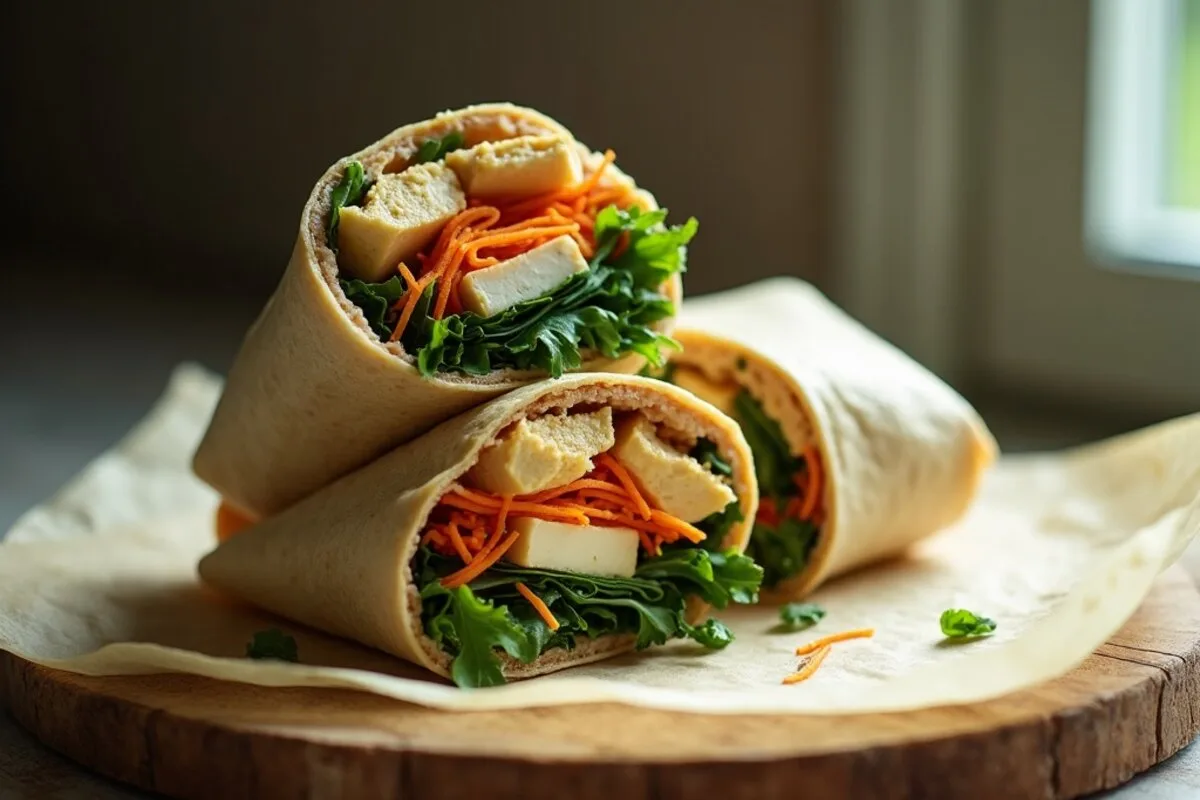
When a snack needs to be more substantial, I reach for high-protein vegan wraps. They sit somewhere between a snack and a small meal, which makes them perfect for a long afternoon or a meal eaten on the move. Built on a wholemeal tortilla with a real protein filling, a wrap easily carries 15 to 20 grams of protein and packs flat into a bag.
My go-to fillings
- Hummus, crumbled smoked tofu, grated carrot and spinach, for a savoury everyday wrap.
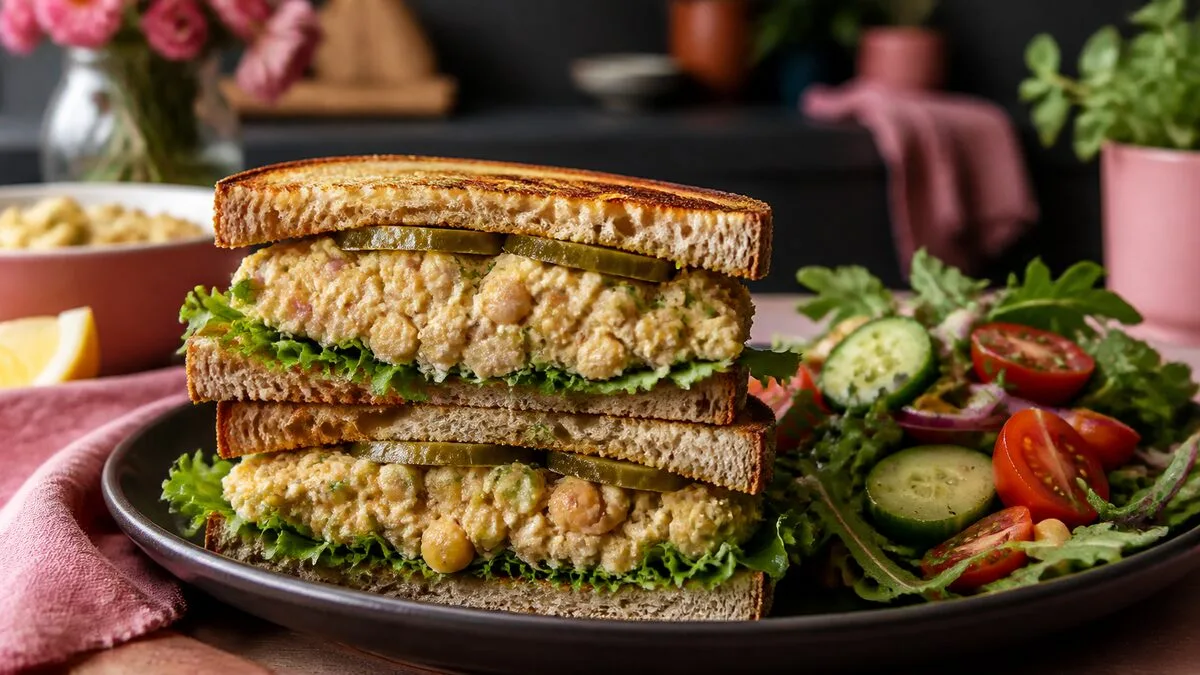
- Mashed chickpeas with lemon, celery and a little vegan mayo, a riff on my chickpea tuna salad, rolled instead of sandwiched.
- Leftover baked tofu, peanut sauce and shredded cabbage, when I want something with a bit of heat.
- Refried beans, avocado and salsa, for a fast burrito-style wrap that travels well.
The trick with a wrap is to keep the filling dry-ish so it does not turn the tortilla soggy in your bag. I pack wet elements like salsa separately when I can. A wrap made the night before, tightly rolled in parchment, is one of my favourite portable high-protein snacks, because it asks nothing of me at the moment I am hungry.
Folding and packing a wrap that survives the day
A wrap that falls apart at the first bite is a small daily tragedy, and the fix is in the fold. Pile the filling slightly below the centre, fold the bottom edge up over it, then fold in the two sides and roll away from you, keeping it tight. Warming the tortilla for a few seconds first makes it pliable and far less likely to crack. Rolled in parchment or foil, twisted at the ends, it holds its shape in a bag all morning.
For a crisp version, I press the finished wrap in a dry pan for a minute on each side, which seals it and adds texture. It then cuts cleanly in half and travels even better. These small mechanics are the difference between a wrap being a reliable habit and a frustrating mess, and they take no extra ingredients, just a minute of care at the counter.
Dips and spreads that turn veg into a real snack
A bowl of raw vegetables is not a snack until you give it something to be eaten with. The right dip turns carrot sticks and cucumber into something I actually want, and a protein-rich dip makes the whole plate count. These also stretch across a week, doubling as sandwich spreads and wrap fillings.
Edamame and white bean dips
My favourite is an edamame dip: blend a cup of cooked edamame with lemon, garlic, olive oil, a little tahini and salt. It is bright green, fresh, and carries real protein from the beans. A classic chickpea hummus does the same job, and a white bean dip with rosemary is the most comforting of the three. Each one is mostly legume, which is where the protein lives.
I scoop these with vegetables, spread them thick on toast, or thin them with a little water into a salad dressing. One batch on Sunday becomes snacks, lunches and the savoury base of half my quick meals. That kind of overlap is the real reason I keep them around. A good dip is rarely just a dip.
Keeping them fresh and varied
Most bean dips keep for four or five days in the fridge, and a thin layer of olive oil over the top slows them drying out. If a dip thickens as it sits, a splash of water and a quick stir brings it back. I tend to make one big batch and split it, flavouring half one way and half another, so a single afternoon of blending gives me two different snacks across the week without any extra washing up.
The vegetables matter as much as the dip. I keep a tub of cut carrots, cucumber, peppers and celery ready in the fridge, because the friction of chopping is exactly what stops me reaching for them when I am hungry. Prepared dip plus prepared veg is a snack that takes ten seconds to assemble, which is the only speed that competes with a packet of crisps when the craving hits.
High-protein vegan desserts that double as snacks
Some afternoons want something sweet, and there is no point pretending otherwise. The fix is high-protein vegan desserts that satisfy the craving while still feeding me, so I am not back in the cupboard twenty minutes later. The base trick is to build the sweetness on a protein source rather than on sugar and flour alone.
Three I rely on
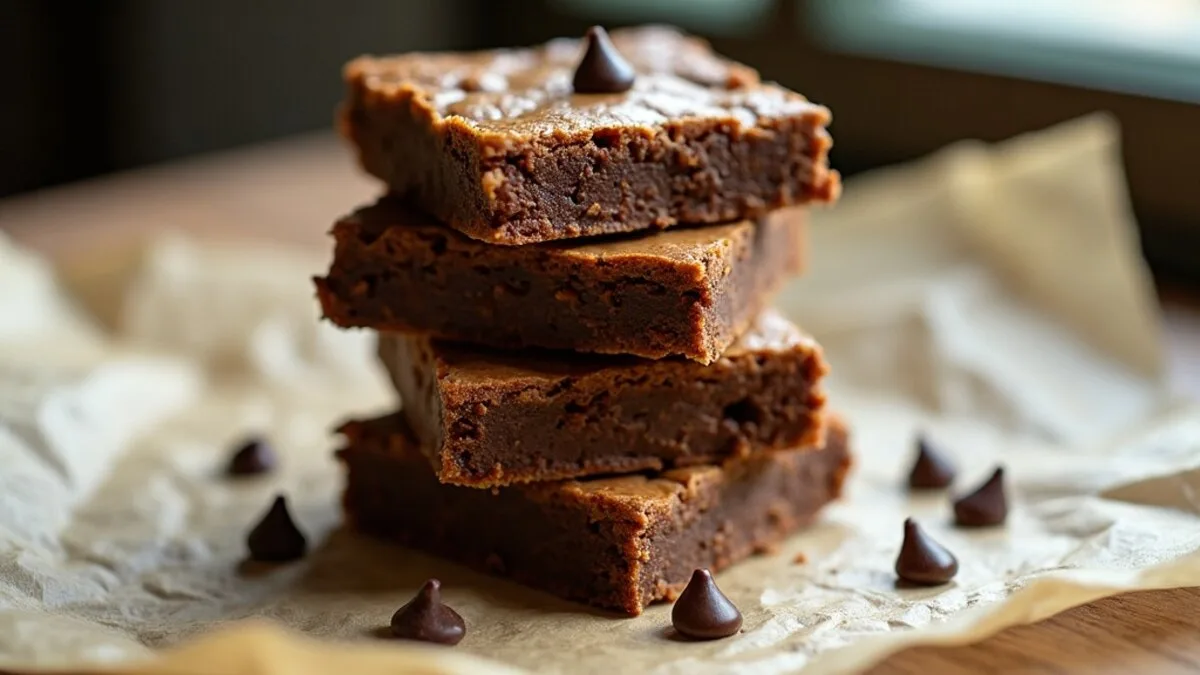
A silken tofu chocolate mousse is the easiest: blend a block of silken tofu with melted dark chocolate and a little maple, then chill. It tastes far richer than it has any right to, and the tofu carries real protein. Soy yoghurt layered with berries and granola makes a fast protein parfait. And my chickpea brownie recipe turns a tin of chickpeas into a fudgy square that doubles as an afternoon snack.
I do not pretend these are health food. They are desserts with a useful side effect, which is that the protein and fibre keep them from spiking and crashing me the way a sugary snack does. If I am going to have something sweet in the afternoon, and I usually am, I would rather it held me until dinner.
The afternoon coffee snack
My most reliable sweet snack is the simplest: a few squares of dark chocolate with a small handful of almonds, eaten with an afternoon coffee. The nuts bring protein and fat that slow the sugar down, and the ritual of it satisfies in a way a frantic biscuit never does. It is barely a recipe, but it has replaced a lot of worse three o'clock habits, and it carries more protein than the snack it stands in for.
When I want something more substantial, a thick soy yoghurt stirred with a spoon of peanut butter and a drizzle of maple turns into a kind of instant protein pudding. Scattered with seeds or a little granola, it carries well over ten grams of protein and feels like a treat. These are the small, unglamorous snacks that actually carry me through a long afternoon, and none of them ask for more than a minute of assembly.
Grab-and-go and store-bought options, honestly
I am not making energy balls every week, and some days there is no time to assemble anything at all. So here is the honest list of shop-bought high-protein vegan snacks I keep around without guilt. The goal is the same: a real protein source in a hurry, not a perfect homemade ideal.
What I actually buy
- Roasted edamame or roasted chickpeas in a bag, for crunch with protein built in.
- Soy yoghurt pots, which carry far more protein than coconut or oat versions.
- A genuinely decent vegan protein bar, read for the protein-to-sugar ratio, not the marketing.
- Pre-cooked smoked tofu, sliced straight from the pack.
- Plain nuts and seeds, the oldest portable protein there is.
The label is worth a glance. A lot of snacks badged as healthy are mostly sugar and oats with very little protein. I look for at least 8 grams per serving and a sugar figure that is not absurd. Beyond that, I let convenience win when it needs to. A shop-bought snack that actually has protein in it beats a perfect homemade one I never got around to making.
Reading a protein bar honestly
Protein bars are the most misleading aisle in the shop, so I have learned to read them quickly. The number that matters is the ratio of protein to sugar. A bar with 15 grams of protein and 20 grams of sugar is essentially a sweet with a health halo. One with 12 grams of protein and a few grams of sugar is a genuine snack. I flip straight to the back and ignore everything printed on the front, which is marketing rather than nutrition.
The other thing worth checking is the protein source. Bars built on soy, pea or a blend tend to be more filling than those leaning on rice protein alone. None of this means bars are bad, they are a useful thing to keep in a bag for a long day. It just means a thirty-second look at the label is the difference between a real protein snack and an expensive chocolate bar wearing a tracksuit.
How I actually snack across a day
Pulling it together, my snacking is less about willpower and more about what is within reach. If the fridge holds energy balls, a dip and some edamame, I snack well without thinking. If it holds nothing, I snack badly. So the real work is the ten quiet minutes once or twice a week when I make a batch of something. After that, the day mostly takes care of itself.
One last honest note. You do not need to snack at all to be healthy, and constant grazing is not a virtue. I snack because it keeps my energy steady and stops me arriving at dinner ravenous enough to make poor choices. If that is you too, a few high-protein vegan snack recipes in rotation will do more for your day than any amount of resolve. And when you want the bigger framework behind all of it, my plant-based meal prep guide is where the snacks connect to the rest of the week.
Start with one. Make a batch of energy balls or roast a tin of chickpeas this week, keep it where you will see it, and notice how much steadier the gap before your next meal feels. That single habit is the whole point of this page, and it is a small, repeatable thing rather than a project. Everything else here is just options for when you want to keep it interesting.
Common questions
What is a good high-protein vegan snack?
Roasted chickpeas, shelled edamame, no-bake protein balls and a thick bean dip with vegetables are all easy wins, each carrying 7 to 10 grams of protein or more. Soy yoghurt and a small handful of nuts work when you want zero effort. The common thread is a real legume, soy or seed base rather than just oats and sugar.
How do I make high-protein vegan wraps?
Start with a wholemeal tortilla and build a filling around a genuine protein source: hummus with smoked tofu, mashed chickpeas, or baked tofu with peanut sauce. Add grated veg and greens for bulk, keep wet elements separate so it does not go soggy, and roll it tight. A good wrap lands around 15 to 20 grams of protein.
Are high-protein vegan desserts actually filling?
They can be, if the sweetness sits on a protein base. A silken tofu chocolate mousse, a soy yoghurt parfait or a chickpea brownie all carry real protein and fibre, which slows them down and keeps them from spiking and crashing you. They are still desserts, just ones that hold you better than sugar and flour alone.
Do I need protein powder for these snacks?
No. Chickpeas, edamame, beans, nuts, seeds, tofu and soy yoghurt carry plenty of protein on their own. Protein powder is a handy shortcut in energy balls or a quick shake, but every snack here works without it. I use it some weeks and skip it others depending on what is in the cupboard.
What store-bought vegan snacks have the most protein?
Roasted edamame and chickpeas, soy yoghurt, smoked tofu, plain nuts and a well-chosen protein bar are the reliable ones. Check the label for at least 8 grams of protein per serving and a sensible sugar figure, since many snacks badged as healthy are mostly sugar with very little protein.