High-protein vegan cheese is plant-based cheese built on a protein-rich base such as tofu, soy, nuts blended with protein, or seitan, rather than on coconut oil and starch like most supermarket versions. The simplest high-protein options are a marinated tofu feta and a quick tofu ricotta, both carrying real protein from soy. For shop-bought, check the label for three or more grams of protein per serving.
High-protein vegan cheese, the honest overview
High-protein vegan cheese is any plant-based cheese built on a protein-rich base such as tofu, soy, nuts blended with protein, or seitan, rather than on coconut oil and starch. That base is the whole story. Most supermarket vegan cheese is essentially flavoured fat and tapioca, with almost no protein at all. Choose or make a version built on beans, soy or nuts, and you get something that genuinely contributes to your day rather than just melting nicely on toast.
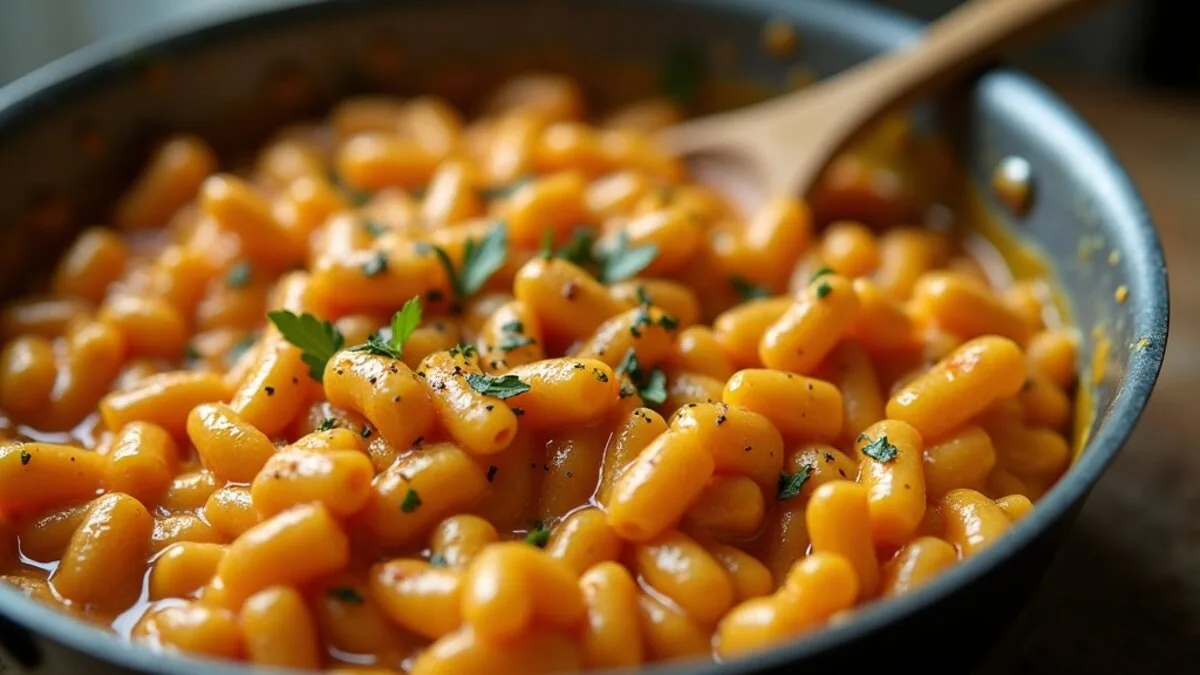
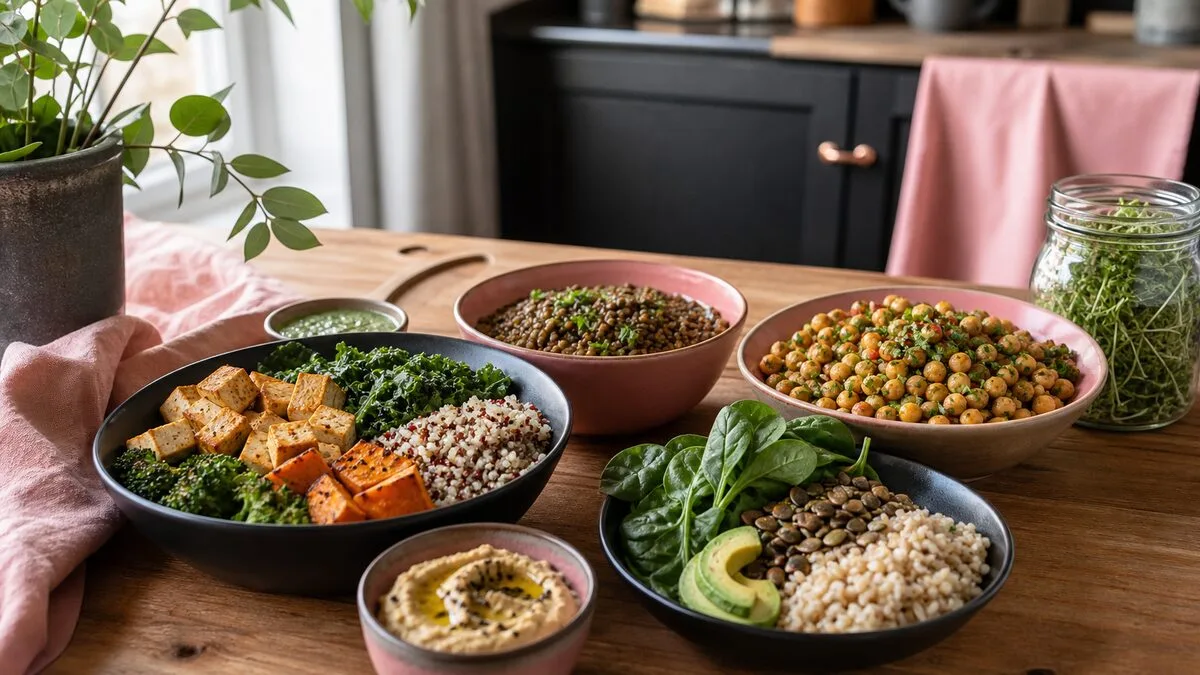
I came to this topic sideways, through cooking. Once I started paying attention to protein across my meals, the cheese-shaped hole became obvious. My guide to high-protein vegan meals covers the bigger framework, and my high-protein vegan mac and cheese puts these ideas to work in one dish. This piece is the reference: what high-protein vegan cheese actually is, how to make a few kinds at home, and which shop-bought options are worth your money.
Who this is for
This is for anyone who loves cheese, eats plant-based, and has noticed that most vegan cheese leaves them strangely unsatisfied. It is also for the cook who wants their cheese to do nutritional work, not just flavour work. You do not need special equipment beyond a decent blender, and you do not need to be precious about it. A bit of tofu, some nutritional yeast and a little patience go a long way.
Why most vegan cheese has almost no protein
It helps to know what you are usually buying. The dominant style of commercial vegan cheese is engineered to melt and stretch, which it does by combining refined coconut oil, tapioca or potato starch, and flavourings. Those ingredients deliver texture and a passable cheesy taste, but they carry close to zero protein. A typical slice might give you under a gram, where a slice of dairy cheese carries six or seven.
This is not a scandal, just a design choice. Melt and stretch are hard to achieve from protein-rich bases, so manufacturers chase texture with fat and starch. The trade-off is nutrition. If your vegan cheese habit is a slice melted on a burger now and then, this barely matters. If cheese is a daily part of how you eat, those empty grams add up, and switching to a protein-rich base genuinely changes what your meals do for you.
The high-protein bases worth knowing
Every worthwhile high-protein vegan cheese starts from one of a handful of bases. Understanding them is more useful than any single recipe, because once you know the base, you can flavour it in a dozen directions. These are the four I rely on, roughly in order of how much protein they bring.
Tofu and soy
Soy is the protein champion of the cheese world. Firm tofu, crumbled and seasoned, makes a brilliant feta. Silken tofu blends into ricotta and cream-cheese textures. Soy carries a complete protein, and the Harvard T.H. Chan School of Public Health treats it as a well-studied, sound part of a healthy diet, which is reassuring given how often it gets argued about online.
Nuts, seeds and added protein
Cashews and almonds make the richest, most luxurious vegan cheeses, but on their own they are more fat than protein. The trick is to blend them with a scoop of neutral soy or pea protein, or with white beans, which lifts the protein without wrecking the texture. Seitan, made from wheat gluten, is the outlier: extremely high in protein and used in some firm, sliceable artisan vegan cheeses, though it is not for the gluten-avoidant.
The supporting cast of flavour
The base supplies the protein, but a handful of repeat ingredients supply the cheesy taste across almost every recipe. Nutritional yeast is the most important, bringing a savoury, faintly cheesy depth that nothing else quite replicates. Lemon juice and vinegar add the tang that reads as dairy, miso brings an aged, funky note, and salt sharpens all of it. A little garlic or onion powder rounds things out.
Once you have these in the cupboard, you can take any protein-rich base in a cheesy direction without a recipe. That is the real freedom here. Knowing that tang plus savour plus salt equals cheese means you can crumble seasoned tofu into a feta, blend cashews into a spread, or set a firm block, and reach for the same flavour toolkit each time. The base changes the texture and the nutrition, but the seasoning is what makes it taste like cheese.
Homemade high-protein tofu feta
If you make one high-protein vegan cheese, make this. Tofu feta is almost embarrassingly simple, costs very little, and carries real protein from the soy. It is salty, tangy and crumbly, exactly where a feta should be, and it transforms a salad or a grain bowl into something that actually fills you.
How it is done
Press a block of firm tofu well, then cut or crumble it into rough cubes. Whisk together a brine of three tablespoons of lemon juice, two tablespoons of red wine vinegar, a tablespoon of white miso, two tablespoons of nutritional yeast, a teaspoon of salt, a little olive oil and enough water to cover. Submerge the tofu and leave it in the fridge for at least four hours, ideally overnight. The longer it sits, the sharper and more feta-like it becomes.
The miso is the secret here. It brings a funky, aged, savoury depth that reads as real cheese, where lemon and vinegar alone would just taste sour. Crumbled over a tomato salad or folded through a warm grain bowl, this single cheese has quietly improved more of my lunches than anything else in this guide.
Firmer or softer, your choice
The same brine works across textures. For a firmer, drier feta that crumbles into distinct pieces, use extra-firm tofu and press it hard before marinating, then leave it uncovered in the fridge for an hour after draining so the surface dries. For a softer, creamier result closer to a marinated tofu cheese, use firm tofu and skip the long press. Both keep happily in their brine for about a week, and the flavour only deepens with time.
A small upgrade is to bake the cubes briefly before brining, which firms the outside and gives a more cheese-like bite. It is an extra step I save for when I want it to feel special on a board rather than scattered through a salad. Either way, the cost is a fraction of shop-bought vegan feta, and the protein is real, which is the whole point of making it yourself.
A sliceable cashew and protein cheese
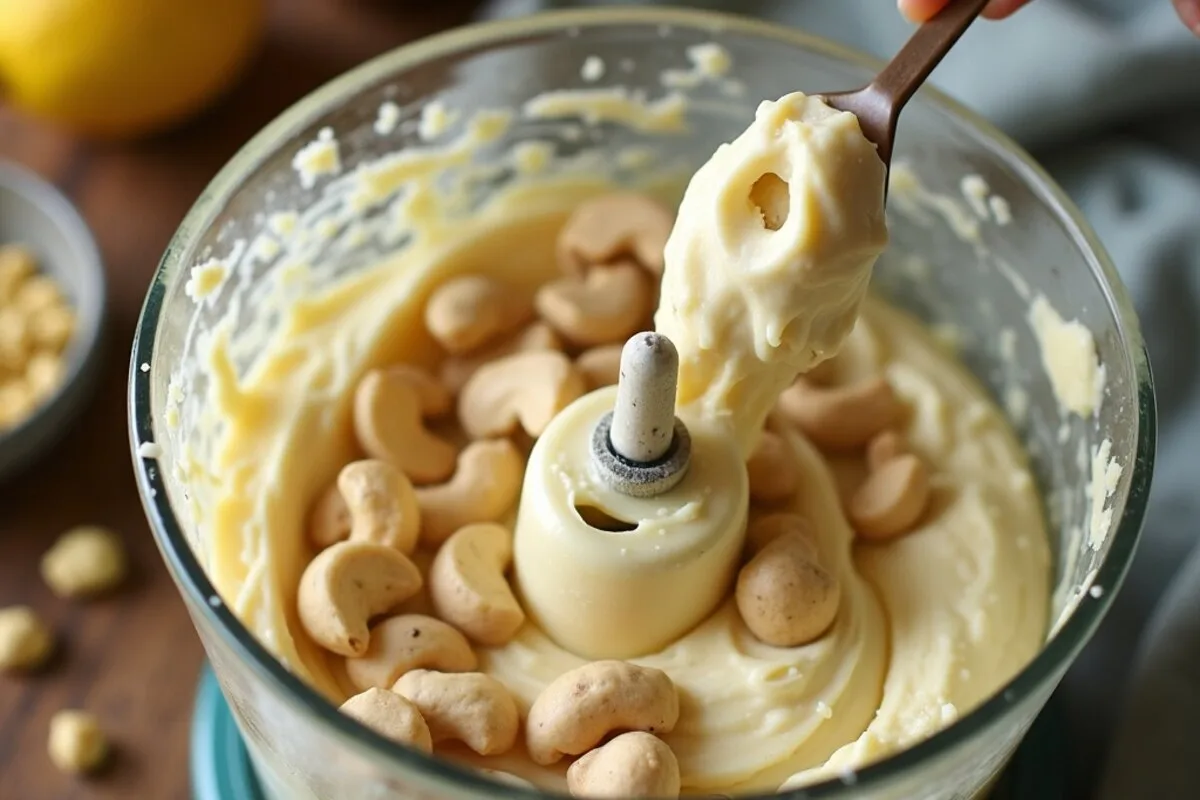
For something firmer that you can slice or grate, you need a base that sets. This is where cashews, blended with a little added protein and a setting agent, come into their own. Agar, a seaweed-derived gelling powder, is what takes a creamy blend and turns it into a block you can cut.
The approach
Blend a cup of soaked cashews with half a cup of water, a scoop of neutral soy protein, three tablespoons of nutritional yeast, lemon, salt, a little garlic and a teaspoon of agar powder. Bring the mixture to a gentle simmer in a pan, whisking constantly for a few minutes so the agar activates, then pour it into a lined mould or bowl and chill until firm. The added protein gives it body and nutrition the cashews alone could not.
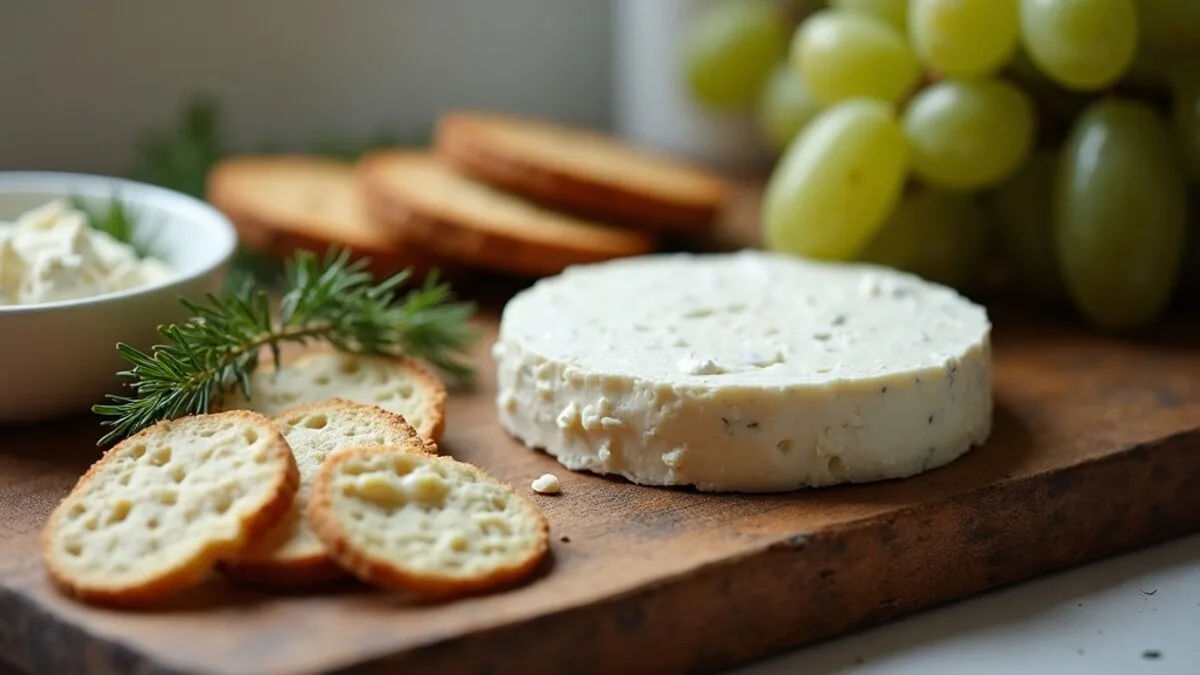
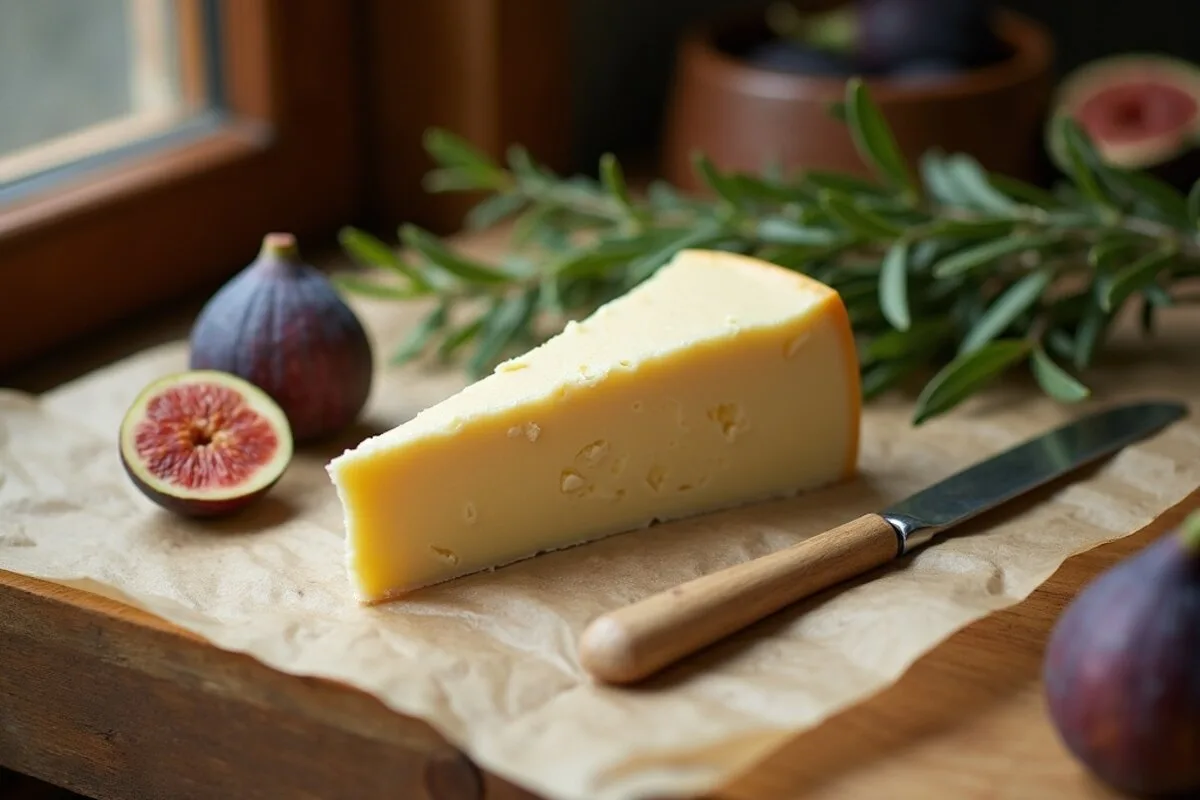
This kind of cheese is more of a weekend project than a weeknight job, and I will not pretend otherwise. But it slices, it grates, and it carries far more protein than anything you can buy. A wedge of it on a board with crackers and fruit is the version that converts sceptical guests, who usually assume homemade vegan cheese will be sad and chalky.
Working with agar
Agar is the ingredient most people get wrong, so it is worth a word. It only sets properly if you bring the mixture to a genuine simmer and hold it there for a few minutes, whisking, so the powder fully dissolves and activates. Under-heat it and the cheese stays loose and weeping. It also sets fast as it cools, so have your mould ready before you start, because there is no reworking it once it firms in the pan.
The amount of agar is a dial for texture. A little gives you a soft, sliceable cheese, more gives you a firm, gratable block closer to a hard cheese. I started with the gentler amount and worked up as I learned what I liked. Once you understand that single relationship between agar and firmness, you can design exactly the cheese you want rather than following a recipe on faith.
Almond and cashew ricotta for spreading
Not every cheese needs to set. A soft, spoonable ricotta is one of the most useful things to have in the fridge, and it comes together in minutes. This is the cheese I reach for to dollop on pasta, spread on toast, or stir through a filling for stuffed shells and lasagne.
Two routes
The quickest ricotta is simply crumbled firm tofu blended briefly with lemon, nutritional yeast, garlic and salt, left a little textured rather than fully smooth. It is high in protein and ready in five minutes. The richer version blends blanched almonds or soaked cashews with lemon and salt into something creamier and more decadent, which I lift with a scoop of soy protein when I want it to count nutritionally as well as taste good.
Either way, a soft cheese like this is the gateway for most people. It is forgiving, fast, and immediately useful, and it shows you how far a little tofu or a handful of nuts can go. Once you have made ricotta a couple of times, the firmer cheeses feel a lot less intimidating.
Flavouring it in different directions
A plain ricotta is a blank slate, which is most of its appeal. Folding in chopped herbs, lemon zest and black pepper makes a fresh, savoury spread. A spoon of nutritional yeast and a little garlic pushes it more savoury and cheese-like. For something that leans sweet, a touch of maple and vanilla turns the same base into a topping for fruit or toast. One recipe, several entirely different jars, depending on the five minutes of seasoning at the end.
I tend to keep it neutral and season at the point of use, which gives me the most flexibility across a week. The same tub becomes a savoury pasta filling on Monday and a sweet breakfast spread on Wednesday. That kind of range from one quick blend is exactly why soft cheese earns permanent space in my fridge, where a fancier block might get made once and admired rather than eaten.
Store-bought brands worth knowing
I make cheese when I have time and buy it when I do not, and there is no shame in the second. The market has matured, and a growing number of brands now build their products on protein-rich bases rather than pure oil and starch. The label is your guide here, far more than the packaging claims.
What to look for on the shelf
- Tofu and soy-based blocks and feta-style cheeses, which usually carry the most protein per serving.
- Almond and cashew-based artisan cheeses, richer and often higher in protein than the melt-style slices.
- Brands that print a protein figure of three grams or more per serving, rather than burying it under a gram.
- Shorter ingredient lists led by beans, nuts or soy rather than by refined coconut oil and starch.
I am deliberately not naming specific brands, because availability shifts constantly by country and the formulations change. The principle outlasts any list: turn the pack over, find the protein number, and check what sits at the top of the ingredients. A cheese built on a real protein base will tell you so in the figures, not just in the marketing on the front.
Where the categories stand today
It helps to know the broad lay of the land. The melt-style slices and blocks designed for burgers and pizza are almost universally low in protein, whatever the brand, because of how they are made. The growing category of cultured nut cheeses, often sold as artisan wedges, tends to carry more, and tofu and soy-based products are usually the highest of all. Knowing which category you are in tells you most of what you need before you even read the label.
It is genuinely a good time for this, because the protein-rich end of the market is expanding fast. More brands are building products on beans, soy and added protein rather than pure coconut oil, partly because shoppers have started asking for it. If your supermarket only stocks the oil-and-starch kind, a health food shop or the chilled aisle of a larger store will usually carry the better-built options worth seeking out.
How to use high-protein vegan cheese across a week
Making or buying the cheese is only half the point. The other half is weaving it into meals so the protein actually lands on your plate. I treat these cheeses as quiet protein boosters that also happen to make food taste better, which is a rare and welcome combination.
Where it earns its place
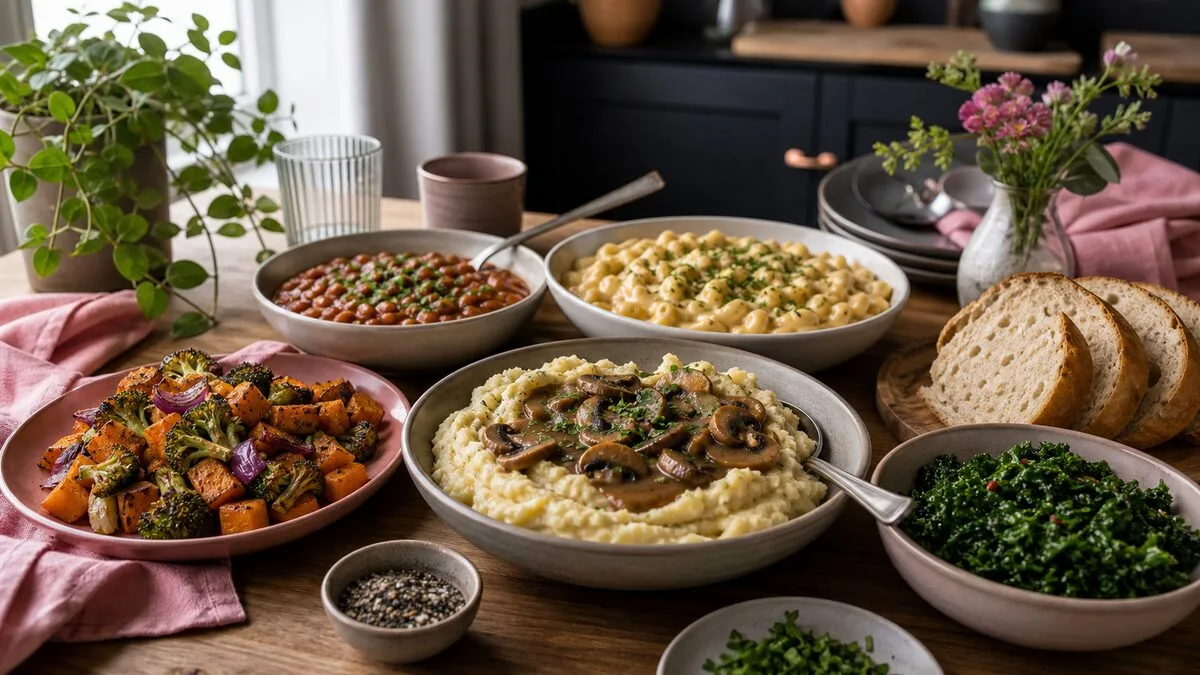
Tofu feta goes over salads, grain bowls and roasted vegetables, turning a light lunch into a filling one. Soft ricotta gets stirred through pasta, spread on morning toast under sliced tomato, or layered into a baked dish. The sliceable cheese goes on sandwiches and boards. And of course it is the natural partner to a creamy pasta bake, which is exactly where my high-protein vegan mac and cheese and the wider vegan comfort food recipes come in. A spoon of homemade cheese sauce or a crumble of feta lifts almost anything savoury.
The habit I would encourage is to keep one soft cheese in the fridge at all times. Even a five-minute tofu ricotta means that on any given day you have a fast, protein-rich way to make toast, pasta or a bowl of grains into a proper meal. That single jar does more for my eating than any number of fancy blocks I make once and admire.
A week with a jar of cheese in the fridge
To make it concrete, here is how one batch tends to travel through my week. Monday it goes on toast under sliced tomato and black pepper for a fast breakfast. Wednesday it is stirred through pasta with peas and lemon. Friday the last of it gets folded into a filling for stuffed vegetables or a quick bake. One blend, three meals, each one quietly carrying more protein than it would without the cheese, and none of it tasting like virtuous compromise.
That is the whole argument for making your own. It is not about being purist or impressing anyone. It is that a tub of good, protein-rich cheese in the fridge nudges a dozen ordinary meals upward across a week, for the cost of ten minutes and a handful of cheap ingredients. The fancy aged wheel is a lovely occasional project, but the humble jar of ricotta is the one that actually changes how I eat.
An honest word on vegan cheese and nutrition
A few honest caveats, because cheese is easy to romanticise. High-protein vegan cheese is a genuine upgrade on the oil-and-starch kind, but it is still a flavour-forward food, often salty, and not something to eat by the block. The protein is a real benefit, the sodium is the thing to keep an eye on, especially in feta-style and miso-spiked versions where the salt is doing the work.
The other point worth making is that no vegan cheese, homemade or bought, reliably supplies vitamin B12, which dairy sometimes does. Any plant-based eater should get B12 from a supplement or properly fortified foods, a point the US National Institutes of Health Office of Dietary Supplements makes clearly. I cover how I handle that in my vegan wellness routine. So enjoy the cheese for what it is: a delicious, protein-rich pleasure that earns its place on the plate, alongside a sensible baseline that takes care of the nutrients cheese was never going to fix.
For me, that balance is the whole point. I get to keep cheese in my life, in a form that actually feeds me rather than just flavouring my food, and I cover the nutritional bases separately and sensibly. A crumble of tofu feta over lunch is a small daily pleasure that happens to carry real protein. That is a good deal, and it is the spirit I would encourage you to approach all of this in.
Common questions
Is there a vegan cheese that is high in protein?
Yes, but you have to choose it deliberately. Cheeses built on tofu, soy, nuts blended with protein, or seitan carry real protein, where the common melt-style slices made from coconut oil and starch carry almost none. A homemade tofu feta or a soy-based block are the easiest high-protein options.
How do you make high-protein vegan cheese at home?
Start from a protein-rich base. Marinate pressed firm tofu in lemon, vinegar, miso and nutritional yeast for a feta, or blend silken tofu with lemon and yeast for a ricotta. For a sliceable block, blend soaked cashews with a scoop of soy protein and a little agar, then heat and set it. The base does the nutritional work.
Why does most vegan cheese have no protein?
Commercial vegan cheese is designed to melt and stretch, which it achieves with refined coconut oil and tapioca or potato starch. Those ingredients give texture but carry close to zero protein. It is a design choice aimed at mouthfeel, not nutrition, which is why a protein-rich base makes such a difference.
Is tofu-based cheese actually good for you?
Tofu is a complete, well-studied plant protein, so a tofu-based cheese genuinely contributes protein to your day. The main thing to watch is salt, since feta-style and miso-spiked versions can be high in sodium. As with any cheese, enjoy it as a flavourful food rather than eating it by the block.
Does vegan cheese contain B12?
Not reliably. Neither homemade nor most shop-bought vegan cheese supplies vitamin B12. Any plant-based eater should get B12 from a supplement or properly fortified foods rather than relying on cheese for it. The protein and flavour are the reasons to eat good vegan cheese, not the vitamins.