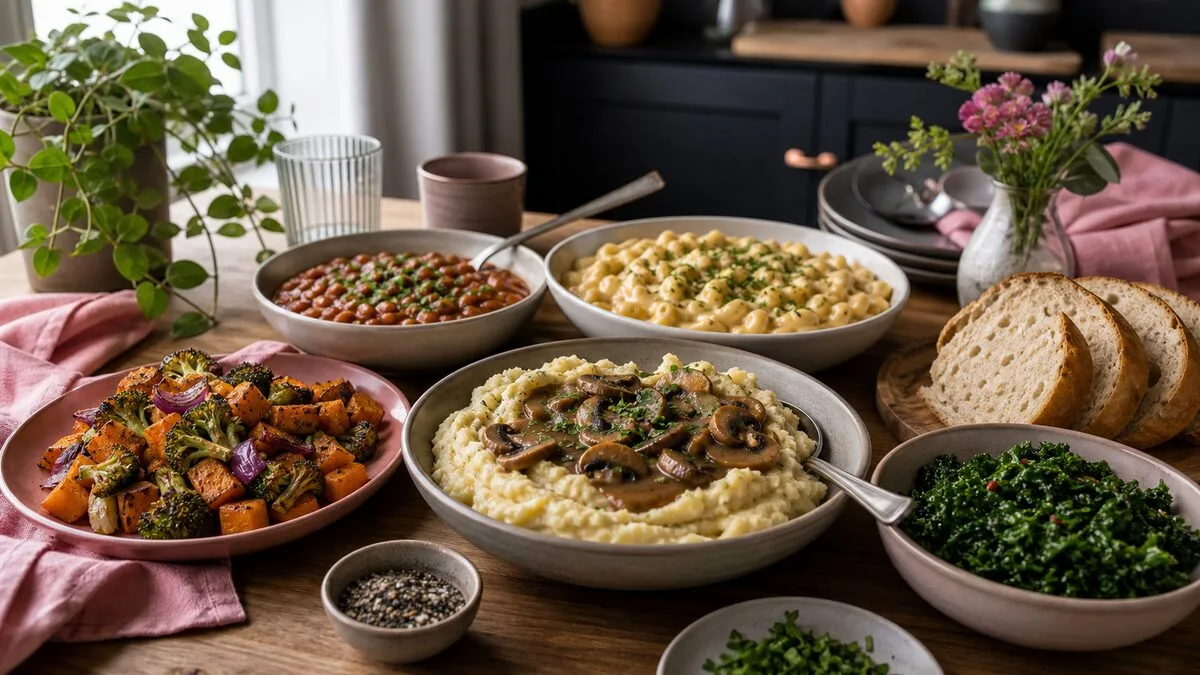
Comfort food is memory with a spoon in it. These plant-based versions keep the softness, warmth, and Sunday-table feeling intact.
What comfort actually means at the table
Comfort food is not a category, it's a temperature, a texture, a smell from the doorway. The plant-based versions that work are the ones that keep those signals intact and quietly replace what's underneath, so the feeling survives even when the dairy and meat don't.
Macaroni and cheese works on cashews, miso, mustard, and nutritional yeast. Mashed potatoes work on olive oil and a heavy pour of plant milk. A pot of beans, cooked slow, is comfort food in two languages. None of these are imitations so much as the same emotional destination reached by a different road.
That's the thread running through everything here. I'm not chasing a perfect copy of the dish I grew up with. I'm chasing the way it made me feel: warm, full, a little looked-after. Once you separate the feeling from the specific ingredients, plant-based comfort food stops being a compromise and starts being its own genuinely satisfying thing.
This piece is the long version, the recipes I lean on, the techniques that fake the richness dairy used to provide, the ways I build deep savoury flavour without anything from an animal, and what to do when a sauce splits or a soup tastes thin. It's the cooking I do when the day's been hard and I want the kitchen to be kind to me.
A quick word before the recipes: don't treat any of this as gospel. Comfort food is the most personal cooking there is, tied up with childhood and memory and the particular way your own people made things. Take what's useful, season to your own taste, and let your own associations lead. The techniques travel; the exact dishes are yours to bend.
When I want a dinner that pulls apart like slow-cooked meat, I make my smoky vegan pulled jackfruit, and it never lasts long.
If tofu has ever let you down, the fix is mostly technique, which is why I wrote down exactly how to cook tofu so it crisps every time.
For a savoury, ready-to-eat protein, I keep coming back to my smoked tofu recipes.
When comfort food needs to actually fill me, I make my high-protein vegan mac and cheese.
On the nights I want a pot that simmers itself, I work from my collection of vegan soup recipes.
A short list I trust
Before the detail, here's the core repertoire, the handful of dishes I come back to when comfort is the only thing on the menu. Each one earns its place by being reliable, forgiving, and genuinely good rather than merely acceptable.
- Cashew mac and cheese, the one nobody guesses is dairy-free.
- Olive-oil mashed potatoes with a real mushroom gravy.
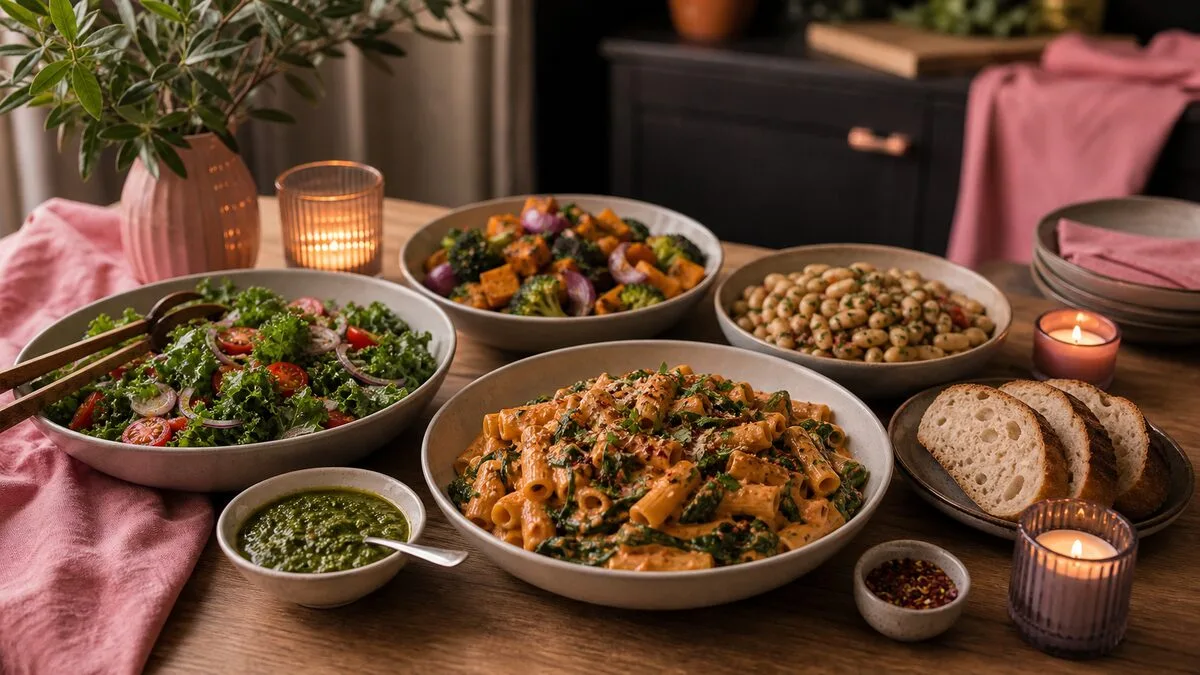
- White beans with rosemary and a heel of crusty bread.
- Tomato soup with a grilled "cheese" that actually melts.
- Banana bread for the second cup of coffee, which lives over in simple vegan desserts.
You'll notice none of these are elaborate. Comfort food rarely is. It's the food of tired evenings and slow Sundays, and the best of it is humble by nature. The skill isn't in complexity, it's in coaxing depth and richness out of plain ingredients, which is exactly what the rest of this piece is about.
The cashew sauce that replaces cheese
If there's one thing to learn from this whole piece, it's the cashew sauce. It's the backbone of vegan mac and cheese, the base of creamy pastas, the thing I pour over roast vegetables when I want them to feel like an event. Once you have it, half the comfort dishes open up.
Soak a cup of cashews in just-boiled water for fifteen minutes (or overnight in cold water if you remember). Drain, then blend with about three-quarters of a cup of water, a tablespoon of nutritional yeast, a teaspoon of white miso, a teaspoon of dijon, a small clove of garlic, the juice of half a lemon, and a good pinch of salt. Blend until completely smooth and glossy.
What makes it taste of cheese isn't the cashews, it's the savoury team behind them. Nutritional yeast brings the cheesy, nutty note; miso brings fermented depth; mustard and lemon bring the sharp tang that real cheese has. The cashews are just the creamy carrier. Adjust each one to taste and you can dial it from mild to sharp cheddar.
Turning it into mac and cheese
Cook your pasta, reserve a mug of the starchy water, and loosen the sauce with it until it coats the macaroni in a glossy cloak. Bake it with breadcrumbs on top for the crisp lid, or eat it straight from the pan, which is what I usually do. It reheats beautifully with a splash of plant milk.
Mashed potatoes and a real mushroom gravy
Mashed potatoes were always made with butter and milk in my house, and they're one of the easiest things to make plant-based without anyone noticing. The trick is fat and warmth, not dairy specifically. Olive oil and hot plant milk do the whole job.
Boil floury potatoes (the starchy kind that fall apart) until a knife slides through with no resistance. Drain well and let them steam dry for a minute, dry potatoes mash fluffier. Then mash with a generous glug of good olive oil and a splash of hot, not cold, plant milk. Cold milk makes them gluey. Season hard with salt; potatoes are a salt sponge.
The mushroom gravy
This is where the savoury depth comes in. Slice a punnet of mushrooms and cook them in a little oil, hard, without stirring too much, until they're deeply browned and have given up their water. That browning is everything. Add a chopped shallot, a sprig of thyme, a splash of soy sauce, then a spoon of flour, then stock, whisking until it thickens into a glossy, dark gravy.
Mushrooms are the secret weapon of plant-based comfort cooking because they're naturally full of glutamate, the compound behind savoury, meaty flavour. Browned properly, they bring a richness that feels like it came from somewhere it didn't. A pile of mash under a ladle of this gravy is one of my favourite cold-night dinners, full stop.
A pot of beans, slow
The humblest dish here and maybe the one I love most. A pot of beans, cooked slowly with aromatics and good olive oil, is comfort food across half the cultures on earth, and it costs almost nothing to make. It's the dish I default to when I want to be looked after.
I start from dry beans when I have the time, because the texture is creamier and the cooking liquid becomes a silky, savoury broth you'd never get from a tin. Soak white beans (cannellini or butter beans) overnight, then simmer them very gently with a halved onion, a few garlic cloves, a bay leaf, and a generous slug of olive oil. No salt until they're nearly tender, then plenty.
The slow simmer is the whole point. Don't boil them hard; you want a lazy, barely-moving surface for an hour or more. The beans turn creamy, the liquid thickens slightly, and the whole pot smells like somebody's been cooking all day even though it mostly looked after itself.
Finish with rosemary or sage fried crisp in oil, a crack of black pepper, and a heel of crusty bread to push through the broth. That's dinner. If you want it heartier, stir in some greens at the end or spoon it over a thick slice of toast. It's endlessly adaptable and it freezes like a dream.
A tin of beans makes a fine shortcut version on a busy night, drained and simmered with the same aromatics for twenty minutes. It won't have the silky home-cooked broth, but a slug of good oil and plenty of salt close most of the gap. I keep both options going, depending on how much the day has left me.
Tomato soup and a grilled cheese that works
The pairing that defines comfort for a lot of people, and both halves are easy to do plant-based. The soup is almost too simple; the grilled cheese needs one small trick to actually melt, which I'll get to.
For the soup: soften an onion and a couple of garlic cloves in oil, add two tins of good tomatoes, a pinch of sugar to balance the acidity, and enough stock to loosen it. Simmer twenty minutes, then blend until silky. A spoon of the cashew sauce from earlier swirled in at the end makes it luxuriously creamy. Plenty of salt, plenty of black pepper.
The grilled cheese problem
Many shop-bought vegan cheeses don't melt well, which ruins the whole point of a grilled cheese. The fix is to grate it (it melts faster than slices), add a thin smear of the cashew sauce inside for gooeyness, and cook it low and slow with a lid on so the heat has time to melt the inside before the outside burns. Patience is the ingredient most recipes forget to list.
Butter the outside of the bread with vegan butter or, honestly, a little olive oil, and press it gently as it cooks. Dunk the finished half into the soup. There's no version of me that doesn't find this deeply soothing, and it takes fifteen minutes start to finish.
The techniques that fake richness
Underneath all these recipes are a few repeatable techniques that recreate the richness dairy and meat used to provide. Learn these and you can make almost any comfort dish plant-based without a recipe in front of you. They're the real lesson here.
- Brown everything you can. The deep flavour in meat and roasted dishes comes largely from browning. Mushrooms, onions, tofu, even tomato paste, all get richer when you let them caramelise properly before adding liquid.
- Fat carries comfort. Olive oil, cashews, tahini, coconut milk. Plant-based food can taste thin if you skimp on fat, because fat is what coats the mouth and signals "rich" to the brain. Be generous.
- Layer salt and acid. Season at every stage, not just the end, and finish almost everything with a squeeze of lemon or a splash of vinegar. Acid is what makes rich food feel balanced instead of heavy.
- Cook things longer than you think. Beans, stews, braises, sauces. Time does work that no ingredient can. The slow versions always taste more comforting than the fast ones.
I think of these as the grammar of the kitchen. Once you've got them, the individual recipes become almost optional, you can look at a fridge and build comfort out of whatever's there. That's the freedom I wish someone had handed me earlier.
Building umami without anything from an animal
The thing people miss most when they go plant-based isn't usually a specific dish, it's umami, that deep savoury satisfaction. The good news is that plants are absolutely full of it, you just have to know where it lives and how to stack it.
My umami pantry is small but mighty: white and brown miso, soy sauce or tamari, nutritional yeast, dried and fresh mushrooms, tomato paste, and a jar of capers or olives. Each one brings a different shade of savoury, and the magic happens when you layer two or three in the same dish. Miso plus mushroom plus a splash of soy is a flavour bomb that needs no meat.
Miso especially deserves a place in every plant-based kitchen. It's fermented soybean paste, intensely savoury, and a single teaspoon transforms a sauce or a soup. Stir it in at the end off the heat, because boiling dulls it. If it's unfamiliar, the miso entry is a good place to start.
Dried mushrooms are the other quiet hero. Soak a few porcini in hot water and you get both a meaty ingredient and a dark, savoury broth that makes gravies and risottos taste like they took hours. I keep a bag in the cupboard at all times. Between these and the browning techniques above, you can build a depth of flavour that nobody at the table will be able to place, which is exactly the point.
What to do when it goes wrong
Comfort cooking is forgiving, but things still slip. Here's the short troubleshooting list for the problems I hit most, so a wobble doesn't ruin the evening.
My cashew sauce is grainy
The cashews weren't soft enough or your blender isn't powerful. Soak them longer (or boil them ten minutes), and blend longer than feels necessary. A high-speed blender helps, but patience covers a lot of sins.
The soup or sauce tastes flat
It almost always wants salt, acid, or umami, in that order. Add salt first, then a squeeze of lemon, then a teaspoon of miso. One of those three is the missing note nine times out of ten.
My mash is gluey
Overworked, or you used waxy potatoes, or the milk was cold. Use floury potatoes, mash gently, and warm the milk first. Sadly there's no rescue for gluey mash, but now you know for next time.
My gravy is lumpy
The flour went in too fast or the liquid was added all at once. Whisk the flour into the fat first to make a paste, then add liquid gradually, whisking constantly. A stick blender at the end fixes most lumps if you're past the point of no return.
Comfort food for other people
Some of the best comfort cooking happens when you're feeding someone else, and plant-based comfort food is unusually good for this because it tends to be crowd-friendly without anyone feeling singled out. A pot of beans or a tray of mac and cheese feeds a table with no fuss.
When I cook for mixed eaters, I lean on the dishes that don't read as "vegan" at all. Mac and cheese, tomato soup, mash and gravy, these are just comfort food, and nobody clocks what's missing because nothing feels missing. That's far more persuasive than a lecture or a meat substitute that invites comparison.
The trick with feeding others is to make the food the whole argument and say nothing. Put a good dish on the table, let people eat, and answer questions only if they ask. I've watched committed meat-eaters go back for thirds of a cashew mac and cheese and only later realise there was no dairy in it. That quiet conversion beats any amount of talking.
Feeding a household where not everyone eats the same way has its own gentle politics, and I worked through a lot of it in plant-based family life without the drama. Comfort food, it turns out, is the easiest bridge there is, because everyone already speaks its language.
Make-ahead, leftovers, and the second-day rule
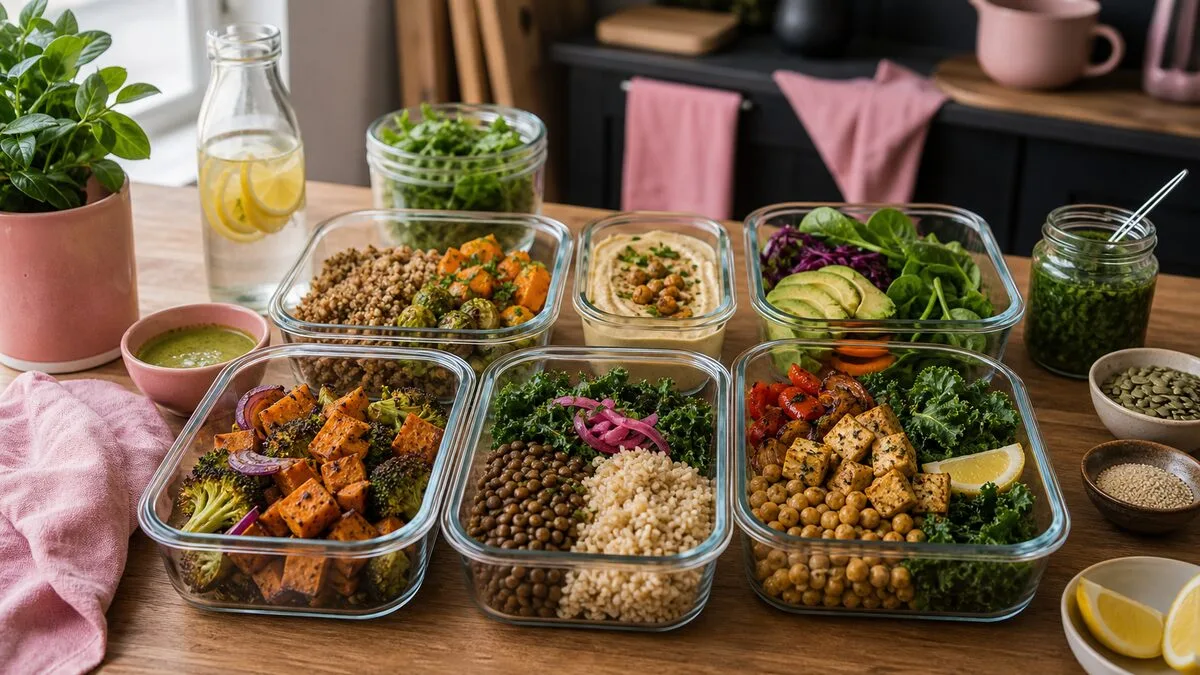
Nearly everything here gets better on the second day, which makes comfort food and meal prep natural partners. The slow-cooked dishes especially, the beans, the soup, the gravy, deepen overnight as the flavours settle, so cooking ahead isn't a compromise, it's an upgrade.
The bean pot keeps four or five days in the fridge and freezes for months. Tomato soup is arguably better reheated. Mushroom gravy keeps a week and rescues any plain plate of grains or potatoes. The cashew sauce holds three or four days and thickens as it sits, just loosen it with a splash of water or plant milk when you reheat.
Mac and cheese is the one exception I'd flag: it's best fresh, though it reheats fine with extra liquid stirred in. Mash also prefers being fresh, but leftover mash becomes potato cakes the next day, fried crisp in a pan, which is a comfort dish in its own right.
I treat comfort cooking as a component system the same way I treat the rest of my week. Cook a big pot of one thing, then let it become three different dinners. The whole approach is laid out in plant-based meal prep without the pressure, and it applies to comfort food perfectly, because comfort food was always meant to feed you for days.
Eating well without spending much
Here's something that doesn't get said enough: this is some of the cheapest food you can make. Comfort food is, by its origins, peasant food, the cooking of people stretching humble ingredients into something nourishing and good. Plant-based versions keep that thrift intact.
Dry beans, potatoes, tinned tomatoes, onions, and pasta are among the cheapest calories in any shop. The handful of flavour-makers that lift them (miso, nutritional yeast, good olive oil, a bag of cashews) are bought occasionally and last for months, so the cost-per-meal stays low even though the pantry looks well-stocked.
A pot of beans that feeds four costs less than a single takeaway portion. Mac and cheese for a family runs to pennies a head. This is food that looks after your budget as gently as it looks after your evening, which is a large part of why I keep coming back to it. Comfort and economy were always the same tradition.
If protein and value together are the goal, beans and lentils are the quiet champions, and I dug into that more in high-protein vegan meals for real life. The same humble ingredients that make comfort food cheap also make it genuinely sustaining, which feels like getting away with something.
Why I cook this way now
I came to plant-based comfort food expecting to miss things, and the surprise of the last few years is how little I do. The feeling I was chasing, warm, full, looked-after, turned out to live in technique and time and a few savoury ingredients, not in any specific animal product.
The cooking got slower and, oddly, more generous. A pot of beans on a Sunday, a tray of mac and cheese for friends, mash and gravy on a dark Tuesday, these are the meals that make a week feel like a home rather than a schedule. That they happen to be cheap and plant-based is almost beside the point now.
Comfort food was never about the cheese or the meat. It was about being fed by someone who cared, even when that someone is just you, on a tired weeknight, looking after yourself.
So start with the cashew sauce, or a pot of beans, and let the rest follow. Brown things properly, season with a confident hand, give it time, and finish with acid. The recipes will become second nature faster than you expect. If you want the next step, the everyday-dinner end of this same kitchen, I'd send you to vegan dinners for cozy weeknights. But some nights, a bowl of beans and good bread is the whole answer, and it has been for me for a long time now.
A stew for the coldest nights
When the weather turns and I want the kitchen full of steam and smell, I make a stew. A good plant-based stew is all about layering the techniques from earlier, browning, umami, time, into one slow, generous pot that warms the whole flat.
I start by browning chunks of mushroom and a tin of drained chickpeas or butter beans hard in oil, so they get a meaty crust. Out they come. Then onions, carrots, and celery soften in the same pan, picking up all the browned bits. A spoon of tomato paste fried until it darkens, a splash of soy, a glass of red wine if there's one open, then stock, herbs, and the browned bits back in.
Then it just simmers, lid ajar, for at least forty-five minutes, longer if I have it. The longer it goes, the deeper it gets. Near the end I'll add a handful of greens or some diced potato to thicken it. A stew like this is the definition of comfort: it asks for almost nothing once it's going, and it pays you back with a pot that feeds you for days.
Serve it over mash, with crusty bread, or just in a deep bowl with a spoon. It freezes perfectly, and like the beans it's better on the second day. This is the dish I make most when I want the cooking itself to be the comfort, not just the eating.
Baked pasta, the dish that feeds a crowd
When more than a couple of people are eating, baked pasta is my answer. It's the most generous comfort dish I know, the kind you carry to the table in the dish you cooked it in, and it's entirely doable plant-based with the cashew sauce doing the heavy lifting.
The structure is simple: a tomato sauce, the cashew sauce, pasta, and a crisp top. I make a quick tomato sauce (onion, garlic, tinned tomatoes, a long-ish simmer), toss it with cooked pasta and a tin of lentils for heartiness, layer it in a dish with spoonfuls of the cashew cheese sauce, and top with breadcrumbs tossed in oil. Into a hot oven until the top is golden and the edges bubble.
What I love is how forgiving it is. Use whatever pasta shape is in the cupboard, whatever vegetables need using, more or less sauce. It's a dish built for clearing out the fridge into something that looks like you planned it all along. And it reheats brilliantly, so a big one covers several dinners.
This is the dish I bring to other people's houses, or make when friends come over, because it lands on the table looking like an event and nobody ever asks where the cheese went. The crisp top and the bubbling edges do all the convincing on their own.
Herbs, aromatics, and the smell from the doorway
I said at the start that comfort food is partly a smell from the doorway, and I meant it. Half of what makes a dish feel comforting happens before you taste it, in the aromatics you start with and the herbs you finish with. This is the part that's easy to skip and shouldn't be.
A base of onion, garlic, and maybe carrot and celery, softened slowly in oil, is the smell of dinner being made. Don't rush it, let it go gently until everything's soft and sweet and the kitchen fills up. That foundation, what French cooking calls a mirepoix and Italian cooking a soffritto, is the scent-memory of home cooking across most of the world.
Hardy herbs (rosemary, thyme, bay, sage) go in early and infuse the whole pot. Soft herbs (parsley, dill, basil, chives) go in at the very end, raw or barely wilted, for a fresh lift. Frying a few sage leaves crisp in oil to scatter over beans or mash takes thirty seconds and makes the dish smell like somebody put real care into it.
None of this is expensive or hard. It's just attention, paid at the right moments. And attention, in the end, is what comfort food is made of, the sense that someone slowed down long enough to make the evening a little softer. The herbs and aromatics are how you put that care into the pot where the people you're feeding can smell it from the next room.
Common questions
How long will this take, honestly?
The reading is 10 min. The practice is a lifetime. Start with one small piece this week and let the rest follow when it feels natural, not before.
Do I have to be fully plant-based for this to help?
No. Everything I write is for people who want a softer relationship with food and routine. The recipes happen to be plant-based; the ideas work in any kitchen.
What should I read next?
The related essays below, in order. If you only read one more thing, read Vegan dinners for cozy weeknights, it picks up exactly where this one ends.
Can I cite this guide somewhere?
Yes. Please link back to this page and credit Caleb Leuchi. All photographs are made for Leuchi unless noted; the writing is original.