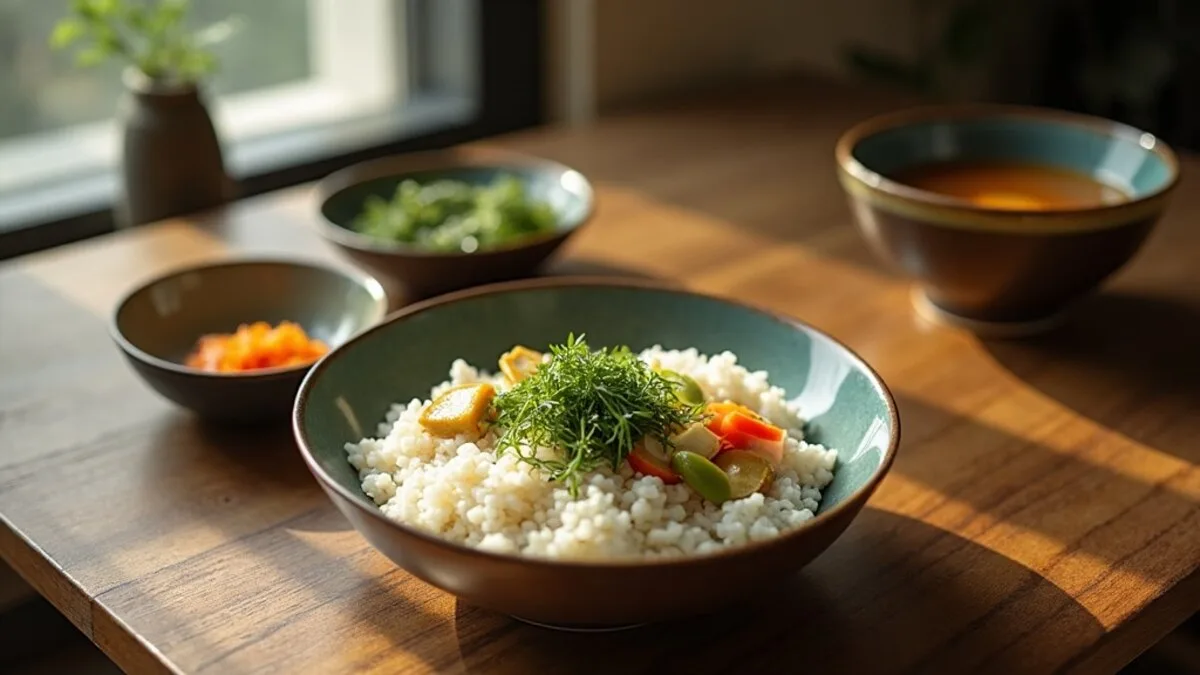
Eating vegan in Japan is easier than it looks once you know the words and the dishes. Cities like Tokyo, Kyoto and Osaka have dedicated vegan restaurants, the cuisine is full of naturally plant-based food like tofu, soba, tempura and onigiri, and convenience stores stock plenty of vegan snacks. The main trap is dashi, a fish-and-kelp stock hidden in many savoury dishes, so learn to ask about it.
Vegan in Japan, the honest answer
Eating vegan in Japan is easier than its reputation suggests, as long as you know what to look for and which words to carry. The country has a deep vegetarian tradition through its temple cuisine, an enormous range of naturally plant-based dishes, and convenience stores that quietly stock more vegan-friendly food than most travellers realise. The catch is that dashi, a fish-and-kelp stock, hides in a lot of savoury food, so a little knowledge goes a long way. This guide is entirely about the food.
I have kept this separate on purpose. If you want the route, the pacing and where to sleep, that lives in my 10-day Japan itinerary. The two are designed to be read together: the itinerary plans the trip, and this page makes sure you eat well at every stop. Think of this as the food companion, written for the traveller who refuses to treat being vegan as a reason to miss the best meals of the journey.
What this guide covers
Below I go through whether Japan is genuinely vegan friendly, the words that change everything, the specific dishes to seek out, the convenience stores and supermarkets that save your day, a quick city-by-city view, the temple food tradition worth a special meal, and a few simple Japanese vegan recipes you can cook once you are home and missing it.
Is Japan vegan friendly? The real picture
Is Japan vegan friendly? The honest answer is yes in the cities and with a little planning, harder in the countryside and at traditional restaurants that build everything on dashi. Tokyo, Kyoto and Osaka now have dedicated vegan restaurants, plant-forward cafes and clearly labelled options that did not exist a decade ago. Step away from the big cities, and you lean more on naturally vegan dishes, supermarkets and your own preparation.
The thing to understand is that Japan is not anti-vegetable, far from it. The cuisine is full of tofu, vegetables, seaweed, rice, soba, pickles and beans. The friction is almost entirely about hidden animal stock and the cultural fact that strict veganism is still a niche concept. Once you stop expecting the word vegan to be universally understood and start recognising the dishes and ingredients yourself, the country opens up. Japan rewards the prepared traveller more than almost anywhere I have eaten.
The words that change everything
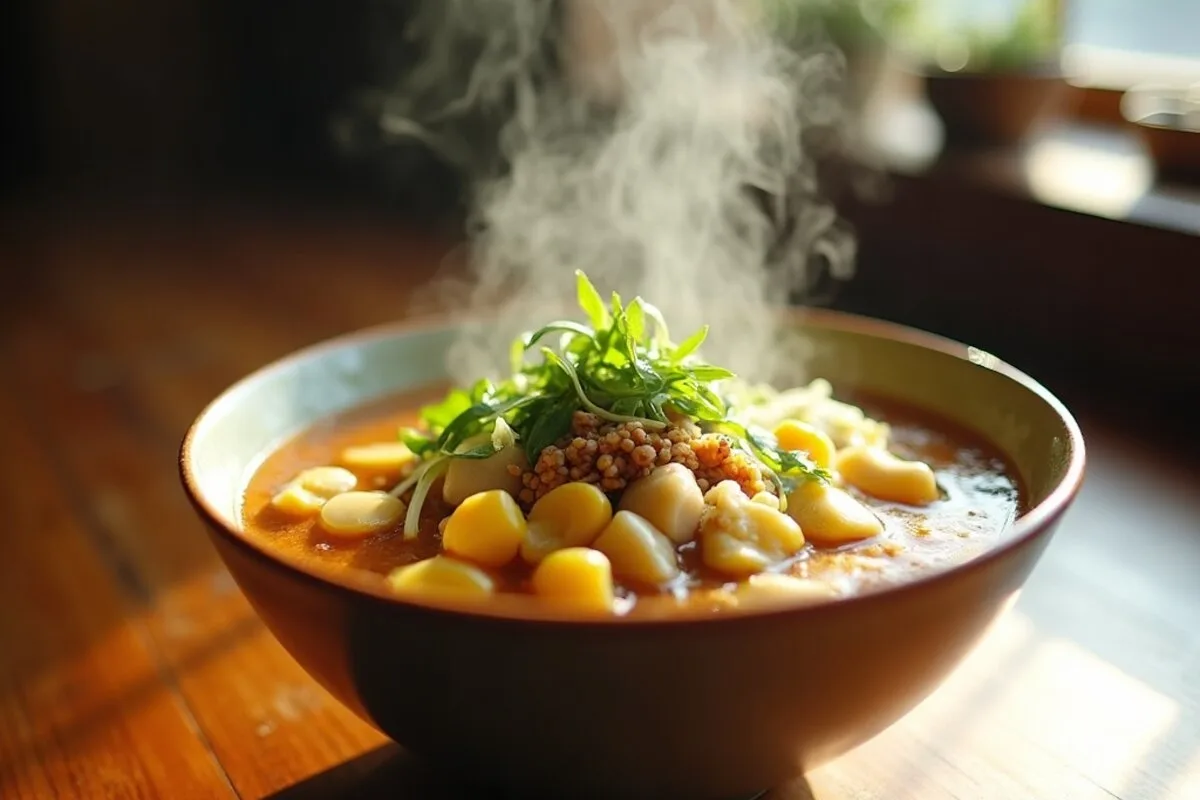
A handful of Japanese phrases will do more for your trip than any app. The single most useful concept is dashi, the fish-and-kelp stock that flavours miso soup, many noodle broths and countless sauces. If you can ask about dashi, you can navigate most of the menu. The second is to learn how to say you do not eat meat, fish or dairy, clearly and politely.
What to actually say
- Bejitarian and biigan are the borrowed words for vegetarian and vegan, understood in cities but not everywhere.
- Niku, sakana and tamago mean meat, fish and egg, the three things to name when you ask what is in a dish.
- Dashi nuki de onegaishimasu, roughly "without dashi please", is worth memorising.
- Shojin ryori is the traditional Buddhist temple cuisine, reliably plant-based and a meal worth seeking out.
I travel with a printed card in Japanese that explains, politely and specifically, that I do not eat meat, fish, eggs, dairy or fish stock. Handing it over removes the guesswork and the awkwardness in one move. It is the single best thing I pack, and it is the same approach I recommend in my broader plant-based travel tips. A clear card in the local language beats a hopeful conversation every time.
Why dashi is the word that matters most
If you learn only one thing, learn about dashi. It is the savoury stock of fish flakes and kelp that sits underneath an astonishing amount of Japanese food: miso soup, noodle broths, simmered vegetables, dipping sauces, even some dishes that look entirely plant-based. A bowl of vegetables can be cooked in fish stock without a single visible piece of fish. This is the hidden ingredient that trips up well-meaning vegans more than anything else.
The flip side is reassuring. A kombu and shiitake dashi, made purely from kelp and dried mushrooms, is a genuine and traditional part of the cuisine, not a modern substitute. So when you ask for a dish made without fish dashi, you are not asking for something strange, you are asking for a version that already exists. Framing it that way, politely and specifically, gets a far warmer response than a blanket declaration that you are vegan.
Vegan food in Japan: the dishes to seek out
The joy of vegan food in Japan is how much of it is already plant-based or trivially adaptable. Rather than hunting for special vegan products, I order the naturally vegan dishes the cuisine is full of. Once you know the names, you eat beautifully without anything feeling like a compromise.
Dishes that are usually safe or easily made so
Zaru soba, cold buckwheat noodles, are naturally plant-based, though check the dipping sauce for dashi. Agedashi tofu is lightly fried tofu in broth, often dashi-based, so ask. Vegetable tempura, or yasai tempura, is widely available and usually vegan in the batter. Onigiri with umeboshi plum or kombu seaweed are reliably vegan rice balls. Edamame, pickled vegetables, steamed rice, and many seaweed salads round out a generous meal almost anywhere.
Ramen and miso soup are the two big traps, because their broths usually contain animal stock or fish. The good news is that vegan ramen shops have multiplied in the cities, serving rich broths built on miso, soy milk, mushroom and kombu. When you find one, it is every bit as soul-warming as the original. Seeking out those specialist shops is well worth the small detour.
Sushi, soba and the everyday wins
Sushi is more navigable than people assume. Cucumber maki, pickled radish rolls, avocado rolls and inari, the sweet tofu pouches stuffed with rice, are all plant-based and widely available. You miss the fish, of course, but you eat well and cheaply. The same goes for soba and udon, as long as you ask for them without the dashi broth and check the dipping sauce, which often hides bonito.
Then there is the simple, reliable backbone of Japanese eating: a bowl of rice, some pickles, a little seaweed, simmered or fried vegetables, and tofu in one of its many forms. This is food the cuisine does superbly and almost incidentally, without ever badging it as vegan. Once you stop searching for special products and start ordering the plant-based dishes that already exist, eating becomes a pleasure rather than a problem to solve.
Convenience stores and supermarkets
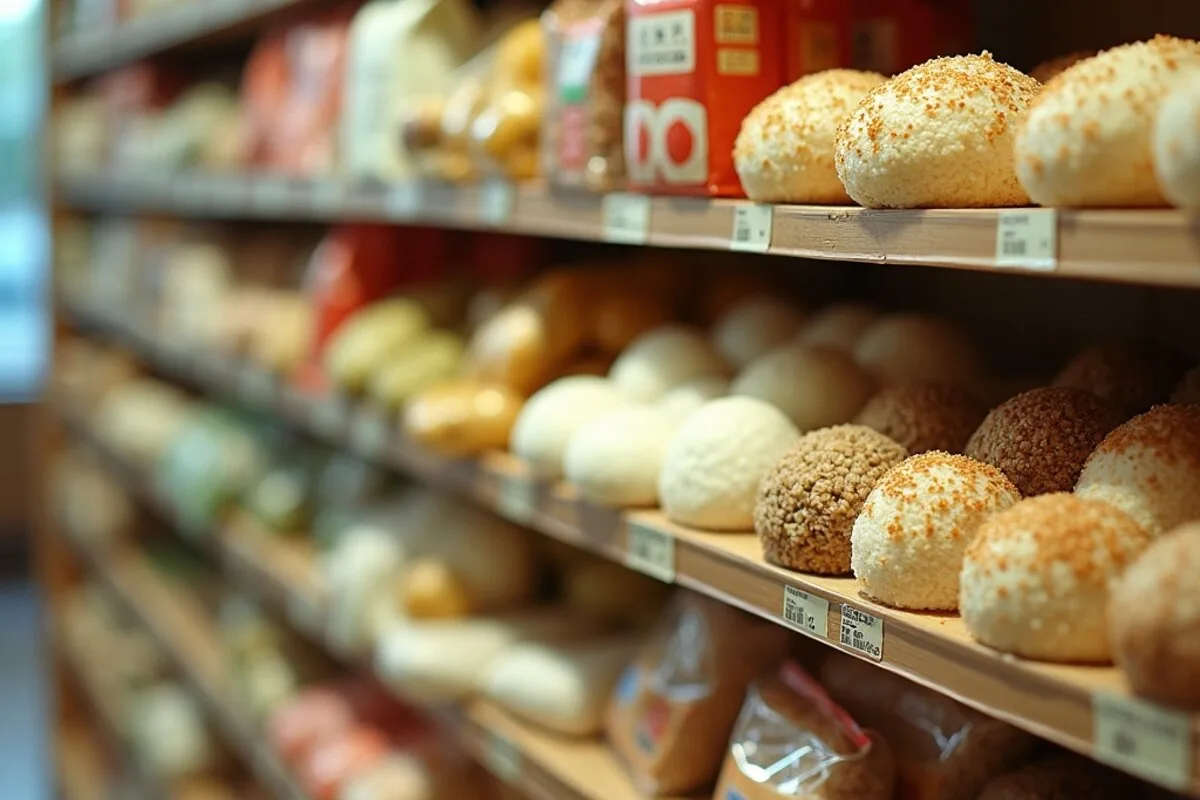
This is the part nobody tells you, and it changes everything. Japanese convenience stores, the konbini, and supermarkets are a vegan traveller's quiet best friend. They are everywhere, open late, immaculate, and full of cheap, genuinely good food. On the days I am moving between places or eating on an odd schedule, vegan snacks in Japan come almost entirely from these shelves.
What to reach for
- Onigiri rice balls, especially umeboshi, kombu and some vegetable fillings, are a perfect portable meal.
- Edamame, roasted soy beans and seaweed snacks, for cheap protein on the move.
- Plain steamed rice, instant miso aside, and ready salads you can check for animal toppings.
- Mochi, many dorayaki, and assorted rice crackers for something sweet, though check for honey and egg.
- Soy milk, fruit, and the surprisingly good selection of plant-based drinks.
Reading a label helps, and a translation app pointed at the ingredient list clears up most questions in seconds. The supermarkets go further still, with fresh tofu in endless varieties, pickles, mushrooms and vegetables that make self-catering a pleasure if your accommodation has a kitchen. Between the konbini and the supermarket, you genuinely never have to go hungry in Japan.
A few label words worth recognising
You do not need to read Japanese fluently to shop well, just to recognise a handful of characters that signal animal ingredients. A translation app that reads text through the camera handles most of it, but learning to spot the words for egg, milk, pork, chicken, fish and the fish-flake bonito speeds things up enormously. Many packaged foods also carry a small allergen list, which is a quick way to check for egg and dairy at a glance.
The other quiet win is the prepared food counter in larger supermarkets, the depachika in department store basements especially. Alongside plenty you cannot eat, there are usually simmered vegetables, pickles, seaweed dishes, sesame tofu and rice items that are plant-based, sold by weight and often genuinely excellent. It is one of my favourite ways to eat on a travel day, assembling a varied, beautiful plant-based meal from a glass counter without a word of negotiation.
City by city: Tokyo, Kyoto, Osaka
Where you are changes how you eat. The three cities most travellers pass through each have their own rhythm for plant-based food, and knowing it ahead of time saves a lot of wandering on an empty stomach.
Tokyo
Tokyo is the easiest place in the country to be vegan. Neighbourhoods like Shibuya, Harajuku and Asakusa have dedicated vegan ramen shops, plant-based bakeries, and international restaurants used to the request. The sheer density means that wherever you are standing, something good is usually a short walk away. I rarely plan meals tightly in Tokyo, because the city does so much of the work.
Kyoto and Osaka
Kyoto is the home of shojin ryori, the temple cuisine, and the best city for a special, formal plant-based meal. It also has a gentle cafe culture that suits slow mornings. Osaka, famous for street food, takes slightly more effort, since many of its icons are seafood-based, but its size means dedicated vegan spots exist and the okonomiyaki and takoyaki scene has plant-based outliers if you look. For the full route between them, see my unhurried Japan itinerary, which threads these cities together at a pace that leaves room to actually eat.
Beyond the big three
Step off the main route and the picture shifts, but not as much as you might fear. Mountain temple towns like Koyasan serve some of the best plant-based food in the country, because shojin ryori is part of the lodging experience. Smaller cities have fewer dedicated vegan restaurants, so I lean harder on supermarkets, naturally vegan dishes and the occasional kind chef willing to adapt. A kitchen in your accommodation changes everything in the countryside.
The general rule holds across Japan: the more rural you go, the more you rely on your own knowledge rather than on labels and dedicated restaurants. That is not a reason to avoid the countryside, which is often the most beautiful and memorable part of a trip. It is simply a reason to arrive prepared, with your card, your phrases and a rough sense of which dishes are safe, so that eating never becomes the thing that limits where you are willing to go.
Shojin ryori and the temple food tradition
If you do one thing for the food on a Japan trip, eat shojin ryori once. This is the Buddhist temple cuisine developed over centuries by monks, and it is entirely plant-based by design, built on tofu, seasonal vegetables, seaweed, sesame and rice. It predates the modern idea of veganism by a very long way and treats vegetables with a reverence you rarely see elsewhere.
A shojin ryori meal is quiet, beautiful and deeply satisfying, served as many small, carefully composed dishes. You will find it at temples in Kyoto, at the mountain temple lodgings of Koyasan, and at a handful of dedicated restaurants. It is not fast food, and it is not cheap, but it is one of the great vegetarian dining experiences in the world, and it reframes what plant-based eating can be. As Japan's official tourism body, the Japan National Tourism Organization, notes, this temple cuisine is a genuine cultural treasure worth planning a meal around.
What to expect at the table
A shojin ryori meal teaches a particular discipline. Every dish is built to balance the others, with attention to colour, texture and the five tastes, and nothing is wasted. You might be served sesame tofu, simmered seasonal vegetables, a clear soup, pickles and rice, each prepared with extraordinary care. It is eaten slowly and quietly, often in a tatami room, and the effect is closer to a meditation than a meal. I left my first one feeling unexpectedly moved.
Staying overnight at a temple, a shukubo, is the fullest version of the experience, and Koyasan is the famous place to do it. You sleep simply, you can join the morning prayers, and you eat the temple's plant-based cooking for dinner and breakfast. For a vegan traveller it is a rare thing: a deeply atmospheric cultural experience where, for once, the food was designed entirely with you in mind, centuries before the word vegan existed.
Cooking it at home: simple Japan vegan recipes
Half the pleasure of a trip is bringing the food home. The good news is that some of the most comforting Japanese flavours are easy to recreate, and they happen to be naturally plant-based. These simple Japan vegan recipes are the ones I cook when I am missing the place, and they need only a few pantry additions.
Three to start with
A proper vegan dashi is the foundation: simmer a piece of kombu seaweed and a handful of dried shiitake mushrooms in water, and you have a savoury stock that powers miso soup, noodle broths and simmered dishes without a trace of fish. From there, miso soup is minutes away. Agedashi tofu, lightly cornflour-coated and fried, then bathed in that dashi, is pure comfort. And a simple bowl of rice with sesame, pickles and quick-glazed tofu is a weeknight staple in my kitchen now.
Tofu is the thread running through all of it, so it pays to get confident with it. My guide on how to cook tofu covers the pressing, the texture and the searing that make these dishes sing. Once you can cook tofu well and make a kombu-shiitake dashi, a surprising amount of Japanese home cooking is suddenly within reach, no fish stock required.
A small Japanese pantry worth building
A few shelf-stable ingredients unlock most of this cooking, and they keep for months. Kombu and dried shiitake for stock, white and red miso, soy sauce or tamari, mirin for a gentle sweetness, rice vinegar, sesame oil and toasted sesame seeds, and a bag of short-grain rice. With those on hand, a comforting Japanese-style meal is rarely more than twenty minutes away, and none of it depends on specialist vegan products.
Nori and wakame seaweed round it out, the first for wrapping and snacking, the second for soups and salads. I keep a small Japanese corner in my cupboard now, a habit the trip left me with, and it has quietly become some of the most-used cooking I do. The food was the part of Japan I most wanted to bring home, and unlike the scenery, this part actually travels in a suitcase.
Pairing the food with the trip
Food and travel are the same pleasure for me, so I plan trips around both at once. Eating vegan in Japan is not a constraint to manage, it is a doorway into the parts of the cuisine that are quietest and often best: the tofu, the temple food, the pickles, the careful vegetable cookery. Going in prepared, with the words and a translation card, lets you relax and enjoy it rather than interrogating every menu.
If this has you planning, read it alongside my 10-day Japan itinerary for the route and pacing, and my wider vegan travel destinations for where to go next. Japan taught me that being vegan abroad is mostly a matter of knowledge, not luck. Carry the right words, know the dishes, lean on the konbini when you need to, and the country feeds you generously. I came home full, and already plotting the next bowl of temple food.
Do not let the reputation put you off. The story that Japan is impossible for vegans belongs to a decade ago, and even then it was overstated. Go with a little preparation and an open mind, and you will eat some of the most thoughtful, beautiful plant-based food of your life, in a country that has been treating vegetables with reverence for centuries. That, more than any single meal, is what keeps me wanting to go back.
Common questions
Is Japan vegan friendly?
Yes in the cities and with a little planning, and harder in the countryside. Tokyo, Kyoto and Osaka have dedicated vegan restaurants and labelled options, while the cuisine everywhere is full of naturally plant-based dishes. The main challenge is dashi, a fish stock hidden in many broths and sauces, so learning to ask about it makes a big difference.
What vegan food can I eat in Japan?
Plenty. Zaru soba, vegetable tempura, agedashi tofu, edamame, pickled vegetables, seaweed salads and onigiri with umeboshi or kombu are widely available and usually plant-based. Vegan ramen shops have multiplied in the cities, serving miso, soy milk and mushroom broths. Always check that broths and dipping sauces are made without dashi.
Where do I find vegan snacks in Japan?
Convenience stores, the konbini, are a vegan traveller's best friend. Look for onigiri rice balls, edamame, roasted soy beans, seaweed snacks, mochi, soy milk and fruit. Supermarkets go further with fresh tofu, pickles and vegetables. A translation app pointed at the ingredient list clears up most questions in seconds.
What is shojin ryori?
Shojin ryori is traditional Japanese Buddhist temple cuisine, entirely plant-based by design and built on tofu, seasonal vegetables, seaweed and rice. It predates modern veganism by centuries and is one of the great vegetarian dining experiences in the world. You will find it in Kyoto, at the Koyasan temple lodgings and at dedicated restaurants.
How do I say vegan in Japanese?
The borrowed word biigan is understood in cities, and bejitarian means vegetarian, but neither is universal. It is more reliable to name what you avoid: niku (meat), sakana (fish) and tamago (egg), and to ask for dishes dashi nuki, without fish stock. A printed card in Japanese explaining your diet is the single most useful thing to carry.