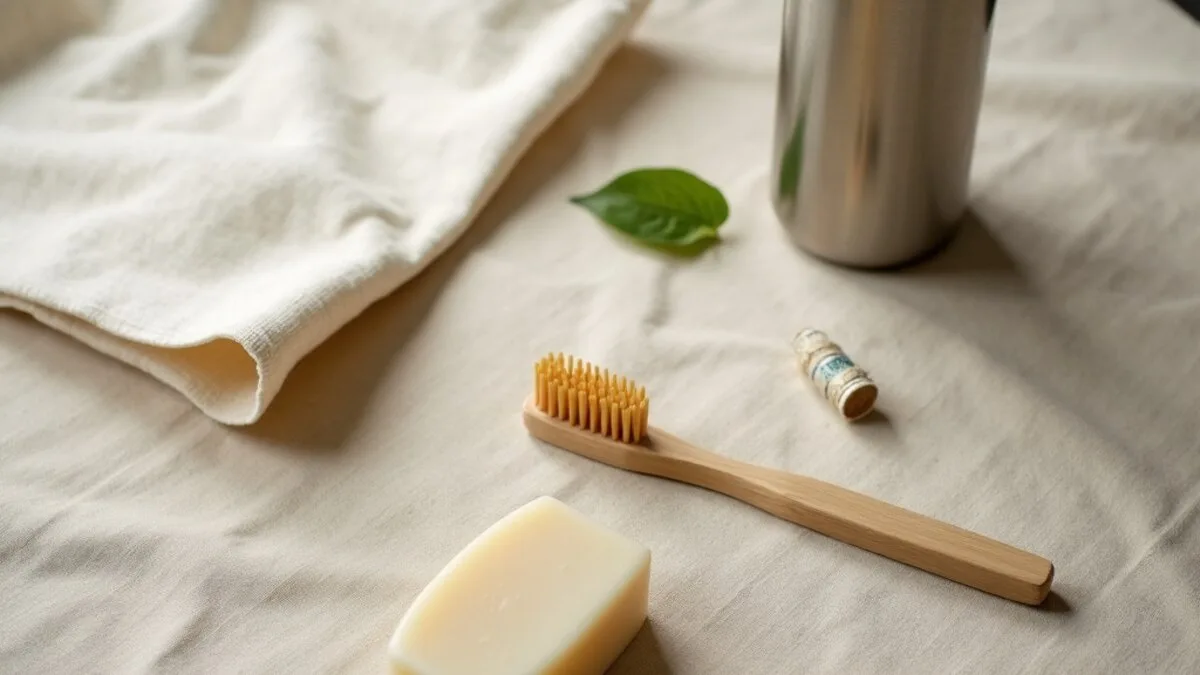
Eco friendly swaps for beginners are the small, low-effort changes you can make this month across everyday life, starting with what you already own rather than buying a whole new kit. The easiest first moves are a refillable water bottle, cloth instead of paper towels, a couple of tote and produce bags by the door, and bar soap in the bathroom. Pick one, use what you have until it wears out, and most of these will quietly save you money rather than cost it.
Eco friendly swaps for beginners, the honest start
Eco friendly swaps for beginners are the small, easy changes anyone can make this month across ordinary life, beginning with what you already own rather than a fresh shopping spree. That last part matters more than any single product. The point is not to fill your home with green-labelled things. It is to gently retire a few wasteful habits, one at a time, in a way that fits your real week and usually leaves you a little better off financially.
I want to be plain about my own start, because it was not graceful. I bought a drawer of well-meaning objects, used about half of them, and felt vaguely guilty about the rest. What actually worked came later, when I stopped treating this as a project and started treating it as a handful of tiny defaults. This guide is the version I wish I had read first: the lowest-friction swaps, grouped by the moments of your day, with none of the pressure.
Who this is for
This is for anyone standing at the very beginning, a bit overwhelmed by the eco internet, who just wants to know where to put their first ten minutes. You do not need a special budget, a perfect home, or a tote bag collection. You need one swap you will genuinely keep. If you want the deeper, room-by-room version later, I will point you there at the end. For now, we are keeping it small and doable on purpose.
The one rule before you buy anything
Here is the rule that makes all the eco friendly swaps for beginners actually work: use what you have first, and reduce before you replace. The greenest thing in your home is almost always the thing you already own, used until it genuinely wears out. A plastic bottle you keep for two years beats a steel one you buy this week and forget by spring. Buying new, even something virtuous, still made a thing from raw material and shipped it to you.
This is not me being austere. It is genuinely the lowest-effort, lowest-cost move available, which is why I lead with it. The US Environmental Protection Agency puts it the same way in its guide to reducing, reusing and recycling: cutting down and reusing comes before recycling, and long before buying anything new. So no swap on this page asks you to bin a working item today.
How the rule plays out in practice
- Finish what you have. Use up the plastic wrap, the bottled soap, the paper towels you already bought before swapping. Throwing out working things to feel green is the opposite of the point.
- Swap as things wear out. When the cheap razor dies or the last paper towel goes, that is the natural moment to buy the durable version once.
- Reduce first, replace second. Often the real swap is using less of something, not finding a greener brand of it.
- Shop your own cupboards. Most beginners already own a tote, a jar, a spare bottle. Start there before you spend a penny.
If this gentle, fewer-things instinct appeals to you, it sits at the heart of a minimalist vegan lifestyle too: own less, keep it longer, and let that quiet enough be the goal rather than a cupboard of perfect equipment.
Morning routine swaps
Your morning is full of tiny single-use moments, which makes it a kind first place to begin. None of these ask you to change how you actually wash or get ready. They just swap the disposable version of a thing for one that lasts, at the point when your old one runs out. Start with whichever you will reach for without thinking.
The three easy bathroom swaps
- A bamboo or recycled toothbrush, when your current one is due to be replaced anyway. It is a small change, but you go through a lot of brushes in a life.
- Bar soap instead of bottled body wash. One bar outlasts two or three plastic bottles, travels without leaking, and almost always costs less per wash.
- A safety razor with replaceable blades, once your disposables run out. It costs a little more on day one, then almost nothing for years, because the blades are cheap recyclable metal.
The razor is the one people hesitate over, so let me reassure you. A single stainless-steel razor lasts a decade or more, and a year of blades costs less than a couple of months of cartridges. You do not need to start there, though. If swapping a finished bottle of body wash for a bar is all you do this month, that is a real, complete win, and you can leave it at that.
If the bathroom turns out to be where you want to dig in a little more, my notes on a zero-waste oral hygiene routine go a step further with toothpaste, floss and the small details. But please do not feel you have to. One bar of soap is a perfectly respectable place for a beginner to stop for now.
A small thing worth saying about the morning: it is the part of the day where habits are most fixed, which cuts both ways. A swap that survives your half-asleep routine will survive almost anything, because you are running on autopilot rather than willpower. That is exactly why I like starting here. Put the bar of soap where the bottle used to sit, keep the new toothbrush in the old holder, and the swap simply becomes the thing your hand reaches for, no decision required.
Kitchen counter swaps
The kitchen counter is where most households quietly burn through single-use things every single day, so a couple of easy swaps here pay off fast. I am deliberately keeping this to the surface-level wins. If you want to go properly deep on food and the kitchen, I will route you there shortly, because that deserves its own focus rather than a rushed paragraph.
Retire the paper towel, gently
This was the highest-impact swap I made, and it cost me nothing. I cut up some worn-out old towels into rags, stacked a few cloth napkins where the paper roll used to live, and made the cloth the easy thing to grab. They go in with the normal wash. I kept one small roll of paper tucked away for the genuinely grim jobs nobody wants to launder, and that roll now lasts months instead of days.
A couple of reusable wraps and containers
Beeswax wraps and a few see-through containers cover most of what cling film and foil used to do for me. Wraps are lovely for covering a bowl or wrapping half a cucumber, and clear containers mean I actually eat the leftovers because I can see them. The one caution: buy these once, in small numbers. Most people end up owning far more wraps than they ever use, which is just clutter wearing a green label.
That is honestly enough for the counter as a beginner. A stack of cloths and one or two wraps quietly removes a steady stream of throwaways from your day, with no new routine to learn. Resist the urge to buy a whole matching kitchen kit. The point is fewer disposables, not more objects.
Grocery shopping swaps
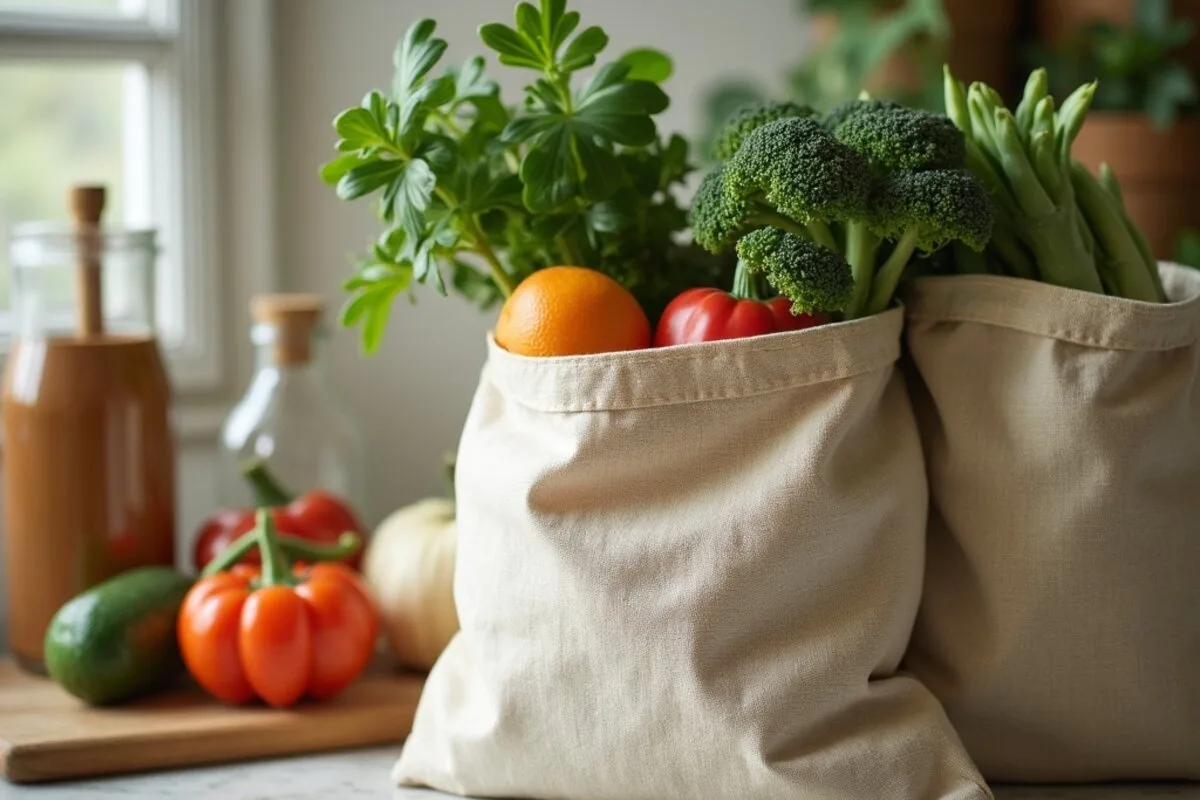
These are some of the friendliest eco friendly swaps for beginners, because they mostly cost nothing and you already half-own them. The whole game here is remembering the bags you have, rather than buying new ones. A tote you forget at home and replace at the till every week is worse than no system at all, so the swap is really about a small habit, not a purchase.
Bags you almost certainly already own
- A few sturdy tote bags, kept by the door or in the car. You need only a handful. A cotton tote has to be reused many times to earn its keep, so the eco move is wearing out the ones you have, not collecting more.
- A small folding bag in a coat pocket or your everyday bag, so you are never caught buying a carrier at the checkout.
- A few light cloth produce bags for loose fruit and veg. Old thin drawstring bags or even a clean pillowcase work fine to start.
Buy loose, and say no to single-use
Where you can, choose loose produce over the pre-bagged kind. It lets you buy exactly three carrots instead of a bag of nine, which cuts both plastic and the food you would have let rot. Buying a little less, a little more often, tends to waste far less than one giant haul that outpaces what you actually eat. None of this needs a special shop, just a small shift in how you fill the trolley.
If your area has a refill or bulk aisle that genuinely sits on your normal route, it is a lovely thing to use for staples like rice, oats or pasta. But please do not drive forty minutes out of your way to feel virtuous, because that often burns more than it saves. A basket half-filled from a refill shop and half from the ordinary supermarket is a completely respectable, beginner-friendly thing.
Drinks-on-the-go swaps
If you buy bottled water or takeaway coffee with any regularity, this is where a single swap saves the most money and the most waste at once. Two objects cover almost the whole problem, and you may already have both sitting in a cupboard. As ever, dig out what you own before buying anything shiny and new.
The two that do the work
- A refillable water bottle, ideally stainless steel, kept by your keys so you grab it on the way out. Refilled from the tap, it pays for itself almost immediately against bottled water.
- A reusable coffee cup, if you buy coffee out. Many cafes knock a little off the price for bringing your own, so it quietly pays for itself in a few weeks.
The trick with both is placement, not willpower. The bottle has to live where your keys live, and the cup has to make it into your bag the night before, or you will simply forget them and buy the disposable anyway. I treat this as designing a tiny system rather than relying on good intentions, which run thin by the time I am rushing out the door.
One honest note: you do not need an expensive insulated flask to begin. Any clean bottle you already own counts. The branded steel bottle is a nice upgrade once you know the habit has stuck, not a requirement for starting. The swap is the refilling, not the object.
It is worth pausing on just how much this one area adds up. A daily bottle of water or a takeaway coffee is a purchase you make hundreds of times a year, each one wrapped in plastic or a lined paper cup that cannot be easily recycled. So even though carrying your own bottle feels like a tiny thing, it is one of the most repeated decisions in your week. That repetition is precisely what makes it punch above its weight, both for the planet and for your wallet.
Cleaning and laundry, simplified
Cleaning is where beginners most often over-buy, because the shelves are full of single-purpose sprays in single-use plastic. The simplest move is the opposite of buying more: fewer products, kept in refillable bottles you already have. This saves cupboard space and money at the same time, which is the kind of swap I most enjoy recommending.
One bottle, one or two cleaners
- Keep one refillable spray bottle you already own and refill it, rather than buying a new plastic one with every cleaner. A diluted concentrate or a simple vinegar-and-water mix handles most surfaces.
- Lean on plain basics: white vinegar and water for glass and counters, a little bicarbonate of soda to scour sinks and pans. They are cheap, effective and barely packaged.
- Use cloth rags cut from worn-out towels instead of buying fresh wipes. They wash and reuse for years.
Laundry basics that change little but help
For laundry, the easiest meaningful swap is simply washing in cold water. Heating the water is most of a wash's energy, so cold washing is a free change that also protects your clothes. Beyond that, a concentrated detergent you dilute means you are not shipping bottles of water around, and skipping fabric softener is fine, since it mostly coats fibres and shortens the life of your clothes anyway.
That really is the whole beginner laundry list: wash cold, use less, soften nothing. None of it asks you to buy special equipment or learn a new routine. It is the kind of invisible swap that, once set, keeps saving energy and money every single week without ever asking anything of you again.
Eco friendly swaps for beginners that are not worth it
Part of an honest guide is telling you what to skip, because the eco market is full of things designed to sell you a feeling. As a beginner especially, your money and energy are better spent on the dull, durable basics above than on clever gadgets. Here are the traps I fell into so that you do not have to.
The ones to walk past
- Single-use "eco" gadgets: compostable pods, dissolvable sheets, clever disposables. Anything used once and thrown away is still single-use, however natural the material sounds.
- The full matching kit: the coordinated set that quietly asks you to bin everything you own and start fresh. That is consumption, not sustainability.
- Vague labels: "natural," "green," "eco" and "conscious" mean nothing on their own. I look for a specific, checkable claim, or I ignore the word entirely.
- Mixed-material objects: a "bamboo" item fused with plastic cannot really be repaired or recycled. One honest material almost always wins.
A quick test for greenwashing
When something tempts me, I ask two questions. First, does this replace a single-use thing with another single-use thing? If so, it is not a real swap. Second, would the most sustainable choice here be to buy nothing at all? If the honest answer is yes, the product is selling me a feeling. A genuine swap survives both questions, because it is reusable, lasting, and replaces a habit of buying rather than just a brand.
Beginners get sold a lot of stuff in the name of going green, and it can leave you poorer with a fuller drawer and no real change. So spend slowly, doubt the marketing, and remember that the swaps that work are nearly always the plain, cheap, boring ones.
How to make one swap actually stick
The reason most beginner swaps fail is not laziness; it is that we rely on willpower, which runs out by the evening. Every change that survived in my home did so because I made the better option the lazy one. That is not cheating. It is the entire game. So the real skill here is designing your space so the green choice happens almost on its own.
Make the good choice the easy one
- Put the reusable in the way. Bottle on the keys, cloth bags by the door, refill jar at eye level. Convenience decides behaviour far more than intention does.
- Hide the disposable. If the paper towels are out of sight, I reach for the cloth without a fight.
- Pick one swap, not ten. Let a single change become invisible and automatic before you add the next. Habits stack quietly over a year.
- Forgive the slips. Some weeks I still forget the bag or buy the bottled water. That is fine, and not a reason to abandon the whole thing.
This calm, environment-first approach is the same one that runs through a slow living routine: you change the defaults around you rather than straining your resolve, and the better choice quietly becomes the ordinary one. A swap that survives is almost always one you stopped having to think about.
So if you take one thing from this whole guide, let it be this. Do not try to become a sustainable person overnight. Just make one wasteful habit slightly inconvenient and one better habit slightly easier, and let that small rearrangement do the work that motivation never reliably will.
Where to go next
Once a few of these beginner swaps feel automatic, you may want to go deeper, and there are two natural directions to head in. I have written both of them as the next step up from this page, so you are not left guessing where to turn once the easy wins are behind you.
The two routes onward
- For the whole home, my full room-by-room guide to eco-friendly home swaps goes through the kitchen, bathroom, bedroom, laundry and even energy and water, in the durable "buy it for life" spirit. It is the thorough version once you are ready for it.
- If you want to go deeper in the kitchen specifically, my notes on building a zero-waste kitchen focus on wasting less food, storing produce well, using up scraps and composting, which is where the biggest impact in any home actually lives.
If you would rather widen out than go deeper, my broader collection of sustainable living tips for real life sets these swaps in the bigger picture, alongside travel, energy and the gentler mindset shifts. It is the place to see how the small habits add up without tipping into preachiness or guilt.
None of these are homework. Think of them as doors you can open whenever you feel like it, not a checklist hanging over you. The honest truth is that a person who reliably remembers their water bottle and washes in cold water is already doing more than most, and you are welcome to stop there for as long as you like.
A short, honest closing
If this page has done its job, you are not feeling guilty or behind. You are looking at one small thing you can change this month, probably something you half-own already, that will quietly save you a little money. That is the whole spirit of eco friendly swaps for beginners: gentle, cheap, and built around using what you have rather than buying your way to feeling good.
I still slip. I still forget the bag, still occasionally buy the coffee in a paper cup. The aim was never a spotless conscience or a single jar of yearly rubbish. It was a life that wastes meaningfully less than it used to, run by a real person with a real, busy week. Guilt is not a fuel that lasts. Gentleness and a few well-placed objects are. Start with one, and let the rest come when it comes.
So choose your one swap before you close this tab. Maybe it is filling a bottle from the tap tomorrow morning, or cutting an old towel into rags this weekend, or simply finishing the body wash you have and buying a bar next time. Whatever it is, make it small enough that you cannot fail, and easy enough that you barely notice the change. Then come back for the next one whenever it feels natural. That, quietly repeated, is the whole of it, and it is more than enough.
Common questions
What is the easiest eco friendly swap to start with?
The easiest swap is usually a refillable water bottle you already own, kept by your keys so you actually remember it. Cloth rags instead of paper towels are another near-effortless first move, since you can cut them from old towels for free. Pick whichever fits your day, and use what you have before buying anything new.
Are eco friendly swaps expensive?
Most beginner swaps are cheaper over time, not more expensive. Bar soap, refilled bottles, cloth instead of paper towels and cold-water washing all cut your spending once you start. A few durable items, like a safety razor, cost a little more on day one and then almost nothing for years. The costly path is buying a whole new matching kit at once.
Should I throw out my old plastic to switch?
No, please do not. Throwing out working things to replace them with greener versions wastes the resources already spent making them, which defeats the point. The lowest-waste move is to use what you have until it genuinely wears out, then swap to a durable version at that natural moment. Reducing and reusing always comes before buying something new.
Do small swaps actually make a difference?
Individually they are small, but the everyday ones repeat constantly, which is where they add up. Skipping bottled water, washing cold and wasting less food happen over and over across a year. Just as importantly, easy beginner swaps build the habit and confidence that lead to bigger changes later. Start small without dismissing it as pointless.
What eco swap saves the most money?
For most people it is cutting bottled drinks: a refillable water bottle and a reusable coffee cup pay for themselves quickly and keep saving every week. Close behind is wasting less food, since eating what you buy is effectively a quiet pay rise. Washing in cold water and using fewer, plainer cleaners also trim regular spending with no real effort.
Continue reading in this cluster
All lifestyle →
Lifestyle
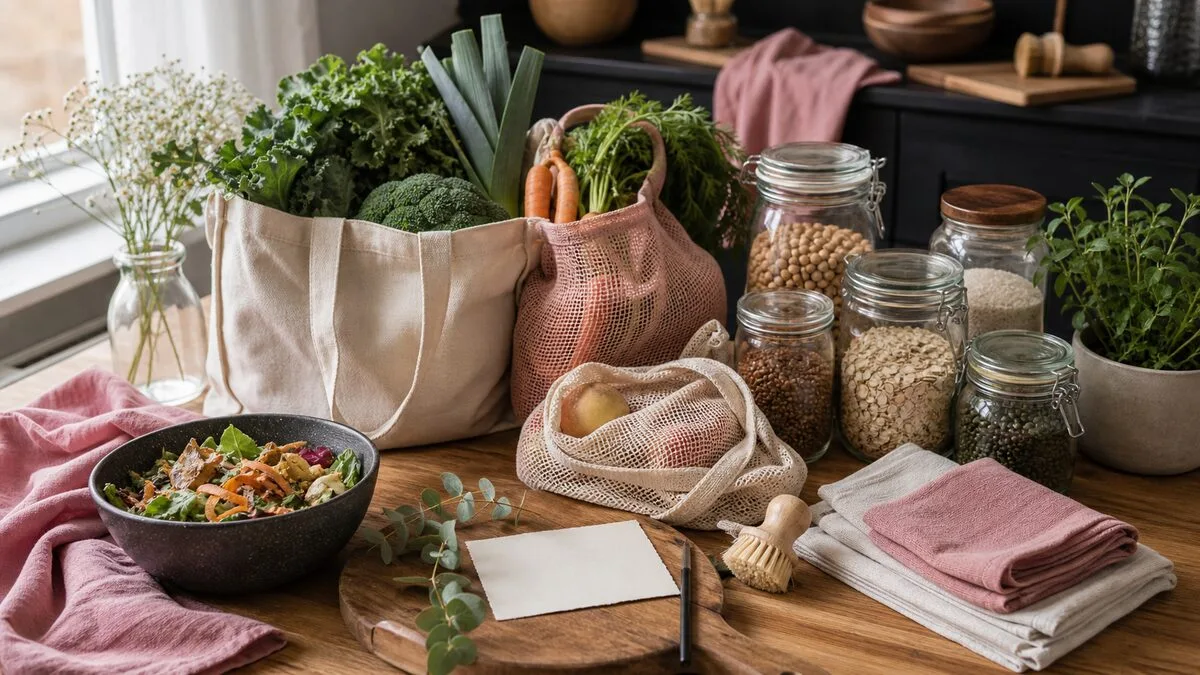
Eco-Friendly Home Swaps That Last
Lifestyle
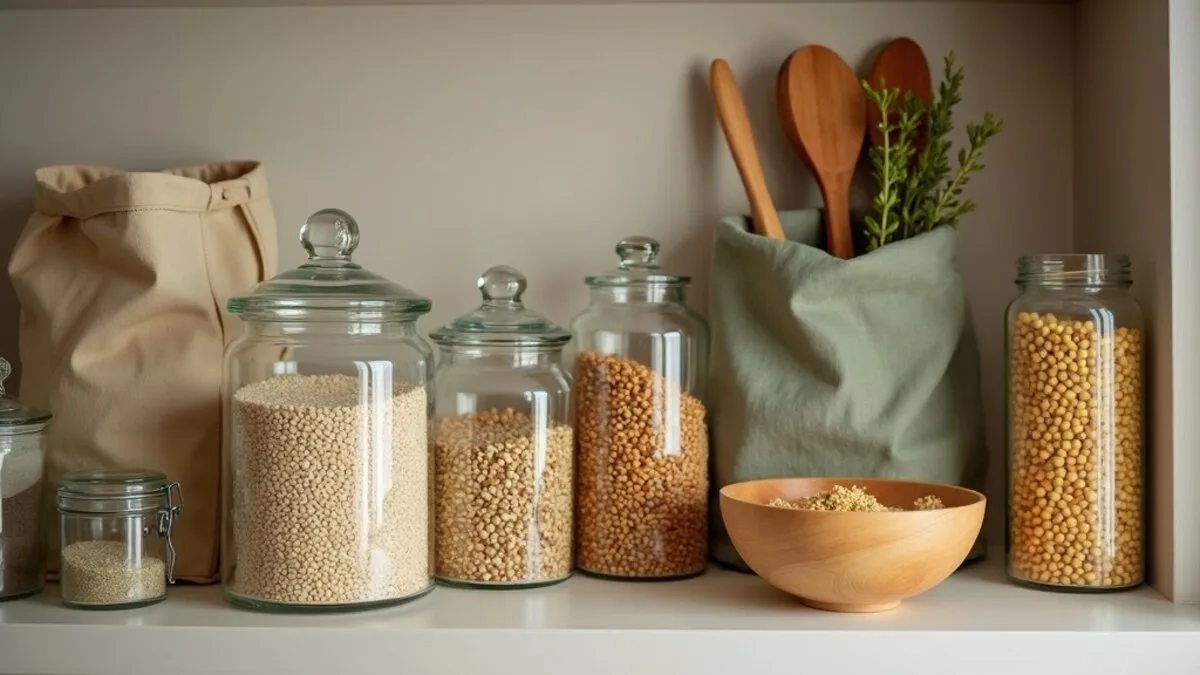
A Zero-Waste Kitchen, Gently
Lifestyle
Sustainable living tips for everyday people, Leuchi
Lifestyle