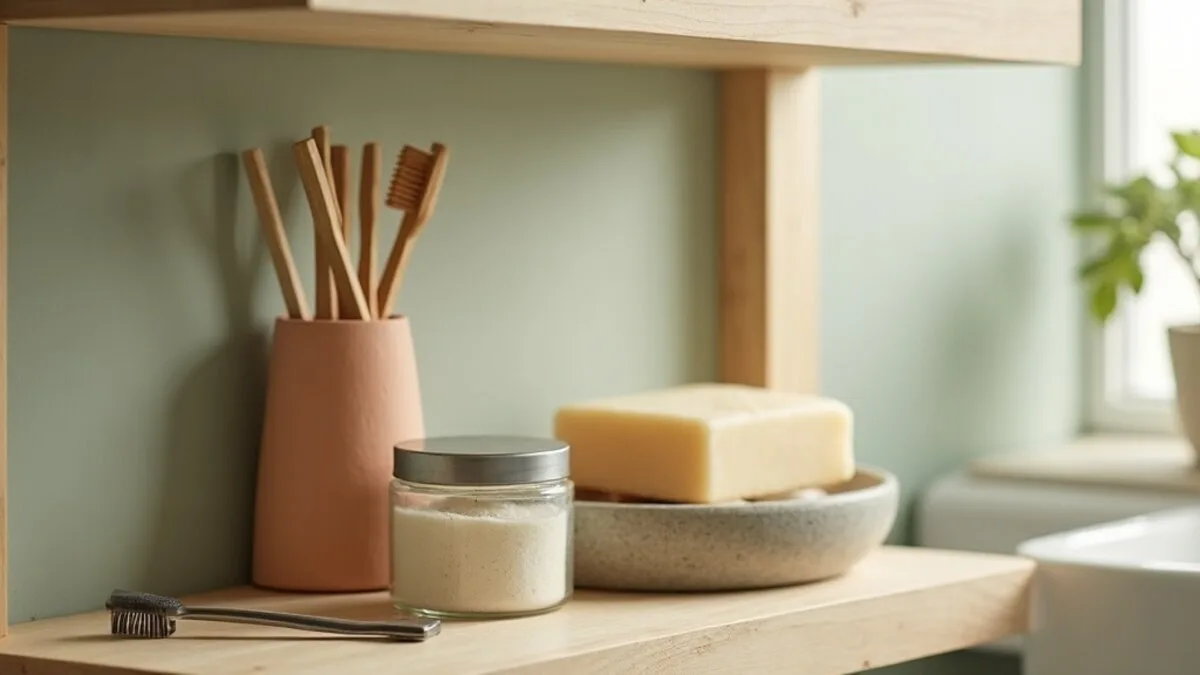
A zero waste oral hygiene routine means swapping the disposable bits of your bathroom for ones that last or refill: a bamboo or replaceable-head toothbrush, toothpaste tablets or a recyclable tube, plastic-free floss, and a refillable approach to the rest, while keeping fluoride if your dentist recommends it. It is not a purity test, and it is not a reason to throw out things that still work. The real lever is reducing and reusing, so you start by using up what you have, then replace each item with a lower-waste version only when it genuinely needs replacing. Honesty matters more than aesthetics here, and some swaps are not worth it.
Why a zero waste oral hygiene routine matters
A zero waste oral hygiene routine starts by noticing how much your bathroom throws away without you ever looking, and oral care is one of the worst offenders. For a year I changed mine slowly, and the first thing that struck me was the sheer volume of small plastic. A toothbrush every few months. A flattened tube every month. Floss spools, mouthwash bottles, the little caps and seals. None of it feels like much on its own, and that is exactly why it adds up so quietly over a lifetime of mornings.
The numbers, once you look, are sobering. Billions of plastic toothbrushes are thrown out every year, and almost none of them are recycled, because they fuse plastic, rubber, and nylon into one small object that no kerbside system wants. The classic toothpaste tube is much the same: a laminate of plastic and metal that most facilities cannot separate. So it goes to landfill or is burned, carrying its little weight forever.
The bathroom is the blind spot
Most of us put our green effort into the kitchen, and that is sensible, since food waste is the bigger lever. I wrote about that calm approach in my zero-waste kitchen guide, and I still think it is where to begin. But the bathroom is the room we forget. It has no compost caddy, no obvious recycling story, just a quiet stream of single-use plastic that we replace on autopilot and never really see.
What this guide is, and what it is not
This is not a lecture, and it is certainly not a purity test. I am one person who changed my own habits over a year, kept what worked, and quietly abandoned what was hype. I am not a dentist, so on anything medical, particularly fluoride, I defer to dentists and to the evidence. What I can offer is an honest account of which low-waste swaps were genuinely good, which were fiddly nonsense, and how to start without the guilt that makes people quit in a fortnight.
Reduce first, then reuse, then swap
The most useful framing I found was the oldest one. Recycling sits last for a reason; the real wins are reducing and reusing, as the EPA's reduce, reuse, recycle basics lay out plainly. For oral care that means buying less, choosing things that last or refill, and using up what you already own before replacing it. A drawer of brand-new sustainable products bought in one guilty afternoon is not zero waste. It is just shopping in nicer packaging.
Why the small things deserve attention
It is tempting to dismiss a toothbrush or a floss spool as too tiny to matter, and on any single day it is. But oral care is relentless. You brush twice a day, every day, for a whole life, and the small objects pile up at a steady, invisible rate that nothing else in the home quite matches. That very repetition, which makes each item feel trivial, is exactly what makes the swaps worthwhile. A better choice repeated thousands of times is not a small choice at all, and that is the lens I learned to use.
The toothbrush swap: bamboo or replaceable head
The toothbrush is where almost everyone starts, and it is a good place to start, because you replace it often and the plastic ones are genuinely hard to recycle. The honest headline is that there is no perfect plastic-free toothbrush, only better tradeoffs. I tried two main routes over the year, the bamboo handle and the replaceable-head brush, and both beat the standard throwaway, in different ways.
The plastic-free toothbrush: bamboo handles
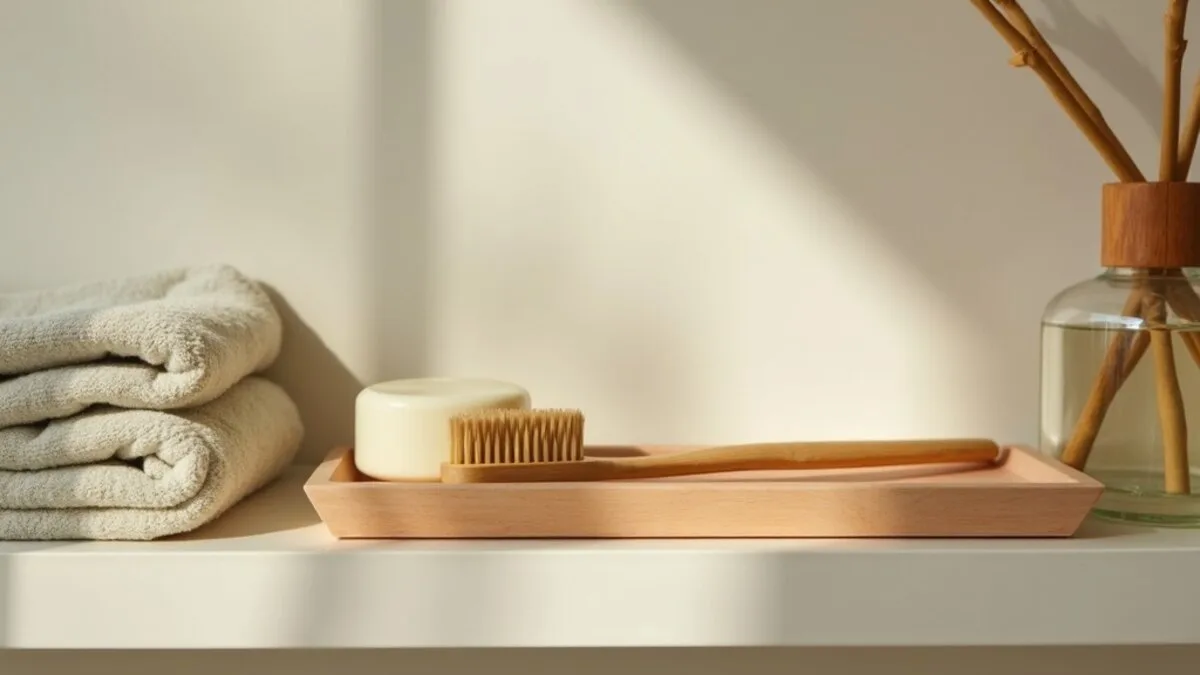
The bamboo toothbrush is the poster child of the zero waste bathroom, and it mostly earns it. The handle is a fast-growing grass that composts or burns down to almost nothing. It feels pleasant in the hand once you get used to it being a touch chunkier. The honest catch is the bristles. Most bamboo brushes still use nylon bristles, which are plastic, so you are meant to pluck them out with pliers before composting the handle, or just snap off the head and bin that small part. Castor-oil based bristles exist but wear faster.
The replaceable-head brush
The swap I personally settled on was a brush with a durable handle and a replaceable head. You keep the handle for years and only replace a small head when it wears out, which means far less material over time than a whole new brush every quarter. Some are manual, some electric. If you already own an electric toothbrush, by the way, keep using it; dentists rate them for cleaning, and binning a working device to feel green is the opposite of low waste.
Is a bamboo toothbrush actually better?
For most people, modestly yes, but do not expect a miracle. A bamboo handle removes a chunk of plastic from each brush, which over a lifetime is real. The bristles remain the sticking point, so it is not truly zero waste, just lower waste. If you want the genuinely smallest footprint, a long-lived handle with replaceable heads can beat a bamboo brush you replace whole every few months. Either is better than the standard all-plastic stick. Pick the one you will actually use, and replace it on the same schedule your dentist suggests, not sooner to feel virtuous.
Toothpaste options, and the fluoride question honestly
Toothpaste is where a zero waste oral hygiene routine gets genuinely interesting, because this is where being low-waste can quietly collide with being good for your teeth. The standard tube is hard to recycle, so the swaps are appealing. But I have to be plain about a tradeoff here, because it matters more than any packaging: do not give up proven cavity protection just to tidy your bin.
Toothpaste tablets and powders
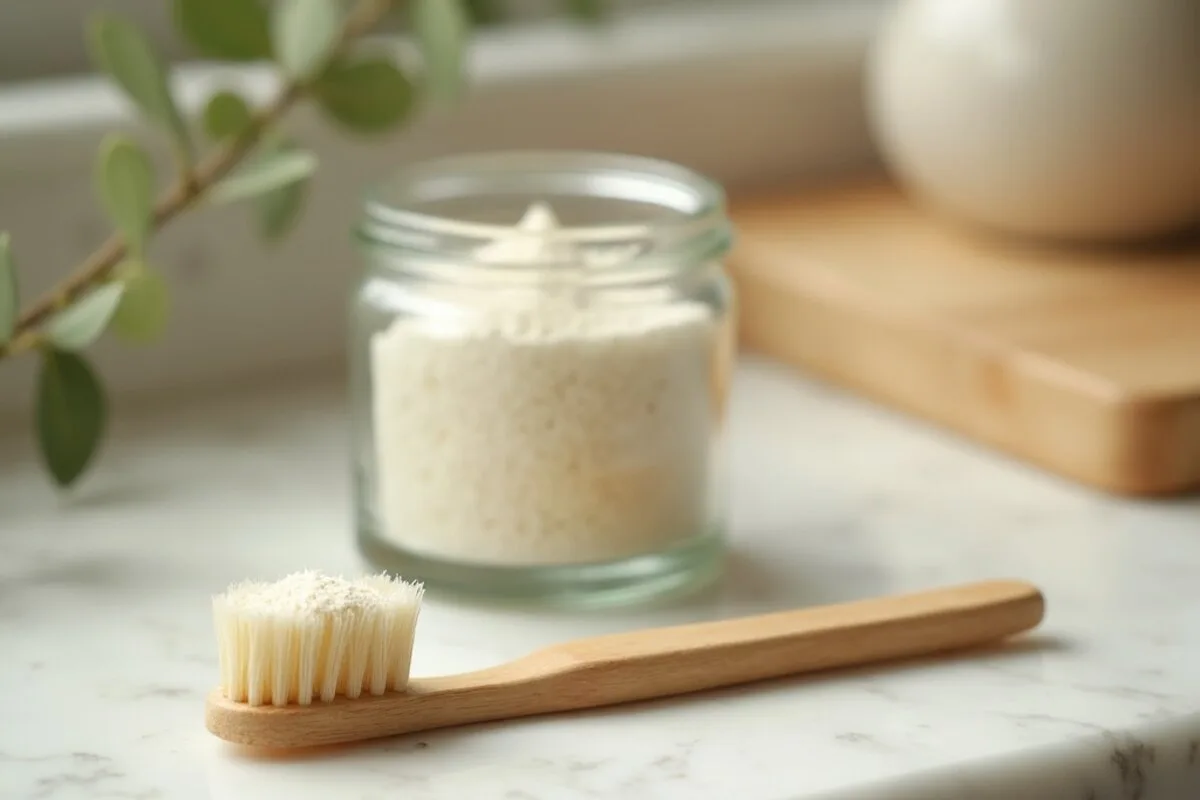
The most popular plastic-free toothpaste is the tablet. You chew one, it foams as you brush, and they usually come in a glass jar, tin, or paper pouch. I liked them more than I expected; they travel beautifully and there is no squeezing or mess. Tooth powder is similar, a jar of powder you dip a damp brush into, though it is messier and a little less pleasant at first. Both can be excellent, with one crucial condition that I will not skip over.
The fluoride question, said plainly
Here is the honest part. Fluoride is one of the best-evidenced tools we have for preventing tooth decay, and many DIY tooth powders and some tablets contain none. The CDC's guidance on cavity prevention is clear that fluoride works. So please do not drop fluoride simply to be zero waste. The good news is you do not have to choose: fluoride toothpaste tablets exist, and they give you the low-waste packaging and the cavity protection together. I am not a dentist, so ask yours, especially if you are cavity-prone or buying for children.
What about a recyclable tube?
If you are nervous about tablets, there is a quieter middle path: a normal fluoride toothpaste in one of the newer recyclable tubes. It is not glamorous, and it is not the prettiest jar on the shelf, but a recyclable tube of dentist-approved paste can be a perfectly sensible, honest choice. Low waste should never cost you your teeth. The same calm, fluoride-keeping logic sits comfortably alongside the broader eco-friendly home swaps I lean on elsewhere in the house.
A word on charcoal
Charcoal toothpaste and powder are everywhere in zero waste circles, and I tried them. My honest verdict is caution. Charcoal can be abrasive enough to wear at enamel over time, and many charcoal products contain no fluoride at all, so you may be scrubbing harder while losing your main protection. It looks dramatic and feels like it is doing something. That feeling is not the same as cleaner, safer teeth, and I quietly stopped using it.
Floss, tongue care, and the small daily bits
Once the brush and paste are sorted, the routine is mostly small objects, and small objects are where waste hides. Floss especially is a tiny daily plastic that nobody pictures, a nylon thread on a plastic spool, often coated in more plastic, used once and gone. The good news is the swaps here are easy, cheap, and rarely involve any tradeoff at all.
Plastic-free floss
The swap I kept is silk floss in a small refillable glass vial. You buy the glass once and then buy paper-wrapped refill spools, so the only ongoing waste is a thread and a scrap of paper. There are plant-based options too, often made from corn-based fibre, for anyone avoiding silk, which suits a vegan routine. Both come in compostable or recyclable packaging instead of a sealed plastic clamshell. It is a genuinely painless swap, one of the few with almost no downside.
Tongue scraping and rinses
A metal tongue scraper is a lovely, durable, one-time purchase that replaces a steady trickle of plastic and lasts essentially forever. For mouthwash, if you use it, the low-waste route is a tablet or concentrate you dissolve in your own water in a glass bottle, rather than buying litres of coloured liquid in heavy plastic over and over. Honestly, though, plain brushing and flossing do the heavy lifting; mouthwash is optional, so do not feel obliged to add a swap for a thing you may not need.
Interdental brushes and picks
If you use interdental brushes, look for ones with replaceable bristles or longer-lasting handles rather than the all-plastic single-use kind. And resist the urge to buy every clever little tool. A simple routine that you actually keep up beats an elaborate kit half-used in a drawer, the same lesson I keep relearning across a minimalist vegan lifestyle in general. Fewer, better, lasting things is the whole quiet idea.
Refill the daily habits, not just the products
The thing I underestimated was how much these small swaps change the feel of the routine itself, not just the bin. Reaching for a glass vial of floss in the morning, or a metal scraper that has lasted a year, makes the whole ritual feel calmer and more deliberate than tearing open another sealed plastic packet. That is a soft benefit, not a measurable one, but it is real, and it is part of why these particular swaps stuck for me while flashier ones quietly did not.
Widening out to a zero waste bathroom
Once the oral routine felt natural, the rest of the bathroom followed almost on its own, because the same logic applies everywhere: choose things that last or refill, and replace only as the old ones run out. A zero waste bathroom is not a single dramatic project. It is the slow accumulation of small, sensible swaps, made one empty bottle at a time, until one day you notice the bin barely fills.
Bars instead of bottles
The biggest single win in the wider bathroom is the bar. A bar of soap retires the plastic pump bottle of body wash. A shampoo bar, and often a conditioner bar, can replace two more bottles, and a good one lasts surprisingly long. They are concentrated, so you are not paying to ship water around the country either. Keep them on a draining dish so they dry between uses and last longer. Not every bar suits every head of hair, so it is worth a little trial before you commit.
Refills and what you already own
For the products you do not want as bars, refills are the next best thing: large refill pouches, or refill stations if your town has one, decanted into bottles you keep for years. The greenest container is almost always the one already in your hand. I did not throw out a single working bottle to start; I just refilled each one as it emptied. This is the same patient, use-it-up rhythm behind broader sustainable living tips, and it keeps the whole thing affordable.
Toilet paper and the small stuff
Plastic-wrapped multipacks of toilet roll can become paper-wrapped recycled or bamboo rolls delivered in a box. Cotton buds with plastic stems can become paper-stemmed or reusable ones. Cotton pads can become washable cloth rounds. None of these is dramatic, and you should not rush them, but as each pack runs out, the lower-waste version slots in quietly and stays.
Storage that keeps bars working
One small thing made the bar swaps actually last: somewhere for them to dry. A soggy bar sitting in a puddle dissolves in days and feels like a false economy, which is how a lot of people give up on them. A simple draining dish or a slatted soap saver fixes it entirely, letting air reach the underside between uses. The same goes for the brush and razor; a holder that lets water run off keeps everything cleaner and makes each item last longer, which is the whole quiet point of the exercise.
Zero waste shaving with a safety razor
Zero waste shaving deserves its own moment, because it was the swap that surprised me most. The disposable razor and the plastic cartridge are pure throwaway design: a little plastic and metal, used a handful of times, then gone forever, repeated for a lifetime. The classic metal safety razor is the answer, and it turned out to be better in almost every way, not just greener.
The safety razor itself
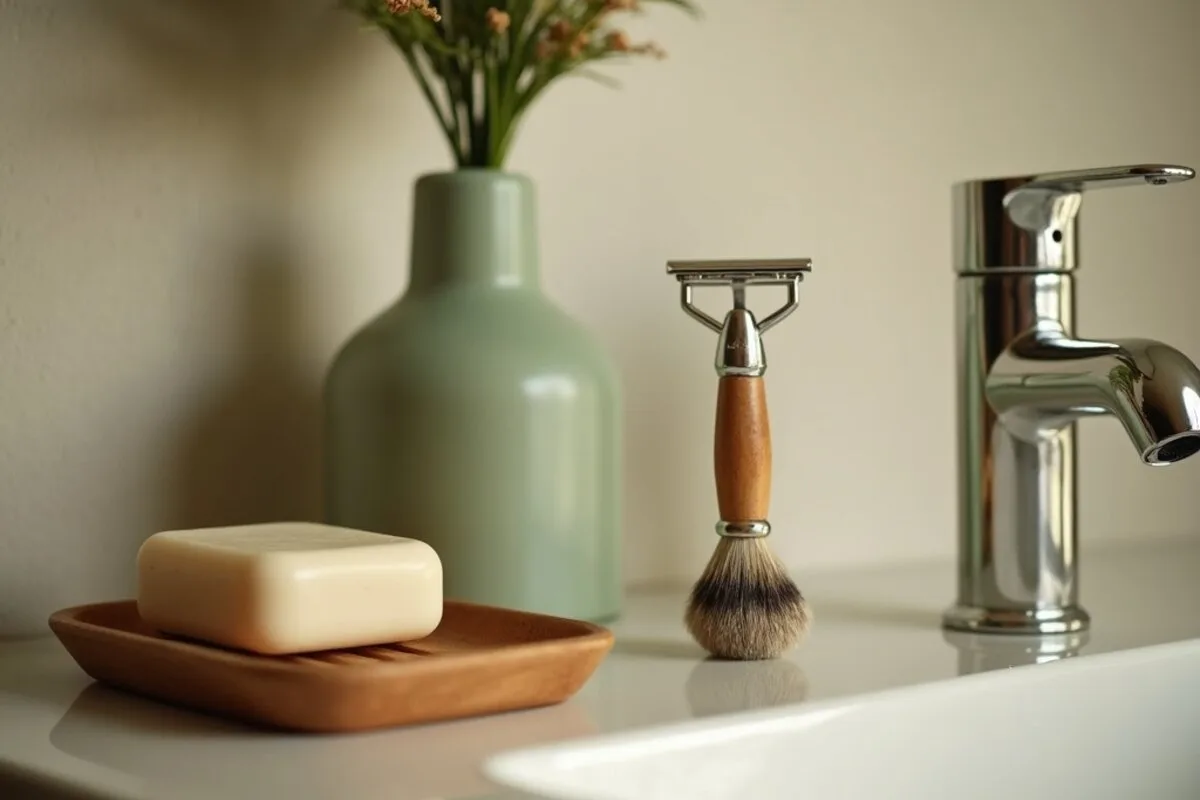
A safety razor is a weighty metal handle that takes a single, cheap, fully recyclable steel blade. You buy the razor once and it can genuinely last decades. The blades cost very little, far less than cartridges, and when one dulls you drop it in a small metal blade tin that you eventually recycle as scrap. So zero waste shaving is also, quietly, much cheaper shaving over time, which is a rare case of green and frugal pulling in the same direction.
The honest learning curve
I will not pretend it is effortless on day one. A safety razor asks you to slow down, hold a shallow angle, and let the weight do the work instead of pressing. I nicked myself a couple of times early on while my hands learned the angle. Within a week it was second nature and the shave was closer than any plastic cartridge I had used. Pair it with a shave soap and a brush instead of canned foam, and another plastic can leaves your bathroom for good.
Who might want to wait
Honesty again: if you shave fast in a rush, or you are nervous about a bare blade, ease in gently or keep your current razor until you feel ready. There is no prize for forcing a swap that does not fit your mornings. The point of zero waste shaving is to last for years, so it is worth starting only when you can give it the calm week it needs to click.
Building a zero waste oral hygiene routine slowly
If there is one thing I would protect you from, it is the all-or-nothing weekend overhaul. People read about a zero waste oral hygiene routine, feel a wave of guilt at their bin, buy a whole new kit in one afternoon, and then resent the lot within a month. A fraction kept up forever beats perfection abandoned in three weeks. This is a slow practice, and slow is genuinely the point, not a consolation.
One swap at a time, as things run out
The order that worked for me was simple. When the toothbrush wore out, the next one was bamboo or replaceable-head. When the toothpaste ran low, tablets with fluoride took its place. When the floss finished, the refillable vial arrived. Nothing usable was binned to make room. Each swap had time to become normal and invisible before the next one joined it, which is exactly why they all stuck instead of overwhelming me.
How do I start a zero waste bathroom?
Start with the single item you replace most often, which for most people is the toothbrush, and make only that one change. Use up everything you already own rather than throwing it out, since binning working products is itself waste. Then let each new swap follow the last empty bottle or worn brush, at the pace your real life allows. A bathroom transforms over a year of small, calm replacements, never over one heroic, exhausting weekend.
Keep the medical bits non-negotiable
As you go slowly, hold one line firm: do not let the aesthetic of the routine override your actual dental health. Keep fluoride unless your dentist tells you otherwise, do not over-scrub with abrasive powders, and keep flossing. The waste savings are lovely, but they are a bonus on top of healthy teeth, never a substitute for them. A calm routine you can sustain for years is the real goal, much like the gentle cozy home rituals that hold the rest of a home together.
What I tried and would skip
A year of swapping things means a year of small mistakes, and I would rather you skip the ones I made. Not everything marketed as zero waste is worth your money or your morning. The greenest object is almost always the one you already own, and a fair amount of low-waste shopping is just consumption wearing a more flattering label. Here is where I landed honestly.
The swaps genuinely worth it
- Silk or plant-based floss in a refillable vial: cheap, painless, and almost no downside. An easy yes.
- The safety razor: cheaper over time, a better shave, and it lasts for decades. My favourite swap of the year.
- Fluoride toothpaste tablets: low waste and tooth-safe at once, as long as you confirm they contain fluoride.
- The metal tongue scraper: a one-time buy that lasts forever and replaces a trickle of plastic.
- Soap and shampoo bars: they retire several bottles each, once you find ones that suit you.
The things I would skip
- Charcoal toothpaste and powder: abrasive, often fluoride-free, and more drama than benefit.
- DIY tooth powder with no fluoride: a real tradeoff against cavities; not worth it for most people.
- Novelty single-vegetable-style gadgets: the bathroom version of clutter, fiddly and quickly abandoned.
- Buying a whole matching kit at once: the fastest way to create waste while feeling green about it.
Are bamboo and tablets just greenwashing?
Some of it, honestly, is. A bamboo brush with nylon bristles is lower waste, not zero, and a tablet with no fluoride may protect the planet while failing your teeth. The way to cut through the marketing is to ask two plain questions of any swap: does it genuinely reduce waste over its whole life, and does it still do its actual job well? If it fails either, it is decoration, not progress, and you can let it go without guilt.
The mindset that made it last
Looking back over the year, the swaps mattered less than the mindset behind them. The bathroom does waste less now, noticeably so, but what really changed was how I think about the small, repeated objects in my life. I stopped buying on autopilot and started asking whether a thing needed to be thrown away at all, or whether something that lasts could quietly take its place.
Convenience, not willpower
The swaps that survived were the ones that became easy and invisible. A safety razor on the shelf asks nothing of my willpower once the habit is in; it is simply how I shave now. Floss refills arrive, tablets sit in their tin, the brush gets its new head. Low waste lasts when it stops being a daily decision and becomes the default. That is the same quiet principle I lean on for everything from the kitchen to a simple digital detox: make the good choice the easy one, then stop thinking about it.
Let it be imperfect
My routine is not zero waste, not really. The bristles are still nylon, a tube still sneaks in, some weeks I forget the cloth and grab whatever is nearest. That is fine. The goal was never a spotless conscience or a single jar of yearly rubbish to photograph. It was a bathroom that wastes meaningfully less than it used to, run by an ordinary person with ordinary mornings. Guilt is not a sustainable fuel. Gentleness is, and it is the only thing that lasted the whole year.
A last, plain word
If you take one thing from all this, let it be the order of operations: reduce and reuse first, swap slowly as things wear out, and never trade proven dental health for a tidier bin. Keep your fluoride, ask your dentist, and start with the single item you replace most often. That is enough for this week. The bathroom, like the kitchen before it, will quietly do the rest over the calm months that follow, one small, lasting swap at a time.
Common questions
Is a bamboo toothbrush actually better?
Modestly, yes, but it is lower waste rather than truly zero waste. A bamboo handle removes a chunk of hard-to-recycle plastic from each brush, which adds up over a lifetime. The catch is the bristles, which are usually still nylon and need removing before composting. A long-lived handle with replaceable heads can match or beat it. Either choice is better than a standard all-plastic toothbrush.
Can you have a zero waste oral routine with fluoride?
Yes, and you should keep fluoride unless your dentist advises otherwise. Fluoride is one of the best-evidenced tools for preventing tooth decay, and you do not have to give it up to cut waste. Fluoride toothpaste tablets exist, and a recyclable fluoride tube is a perfectly honest choice too. Never drop proven cavity protection simply to tidy your bin. Ask your dentist, especially for children or cavity-prone teeth.
What can I use instead of toothpaste?
The main low-waste options are toothpaste tablets, which you chew and brush, and tooth powder in a jar. Both reduce packaging, but check they contain fluoride, since many DIY powders do not. Be cautious with charcoal, which can be abrasive and is often fluoride-free. If tablets do not suit you, a normal fluoride paste in a newer recyclable tube is a sensible, honest middle path.
How do I start a zero waste bathroom?
Start with the item you replace most often, usually the toothbrush, and change only that one thing first. Use up everything you already own rather than binning working products, since that is itself waste. Then let each new swap follow the last empty bottle or worn brush, at a pace your real life allows. The bathroom transforms over a year of small replacements, not one weekend.
Is a safety razor worth it for zero waste shaving?
For most people, yes. A metal safety razor is a one-time buy that can last decades and takes cheap, fully recyclable steel blades, so it is both lower waste and cheaper over time. There is a short learning curve while you find the angle, and it asks you to slow down. If you shave in a rush or feel nervous about a bare blade, ease in gently or wait until you can give it a calm week.
Continue reading in this cluster
All lifestyle →
Lifestyle
A Zero-Waste Kitchen, Gently
Lifestyle
Eco-Friendly Home Swaps That Last
Lifestyle
Sustainable living tips for everyday people, Leuchi
Lifestyle