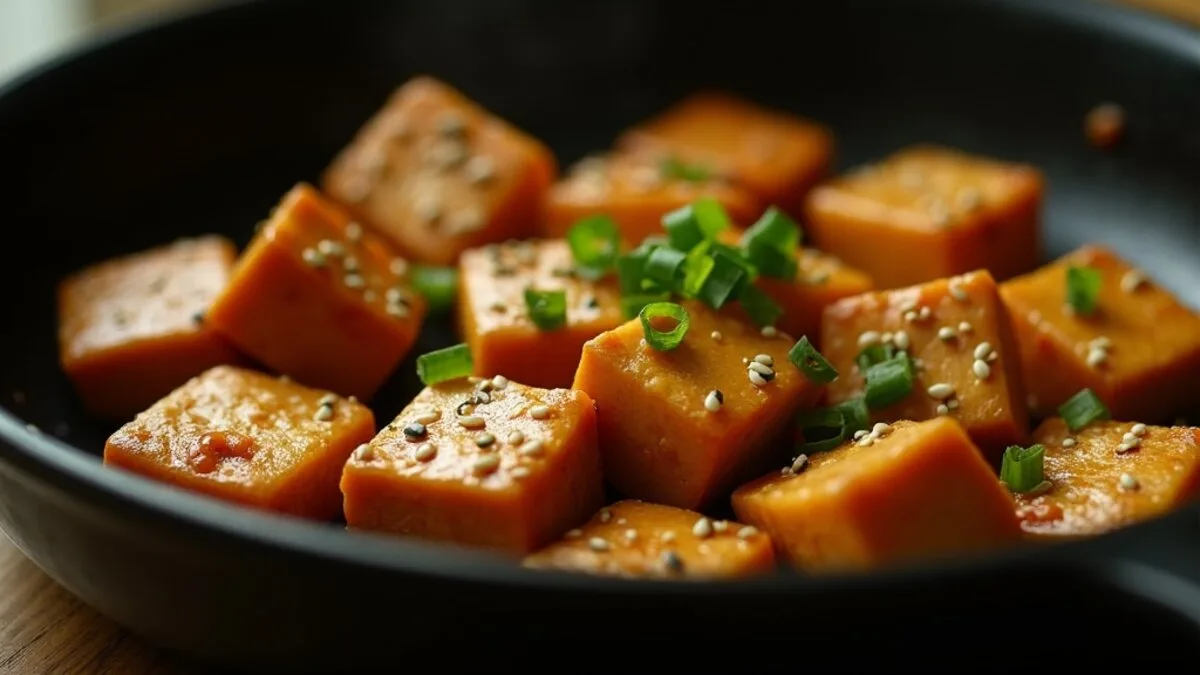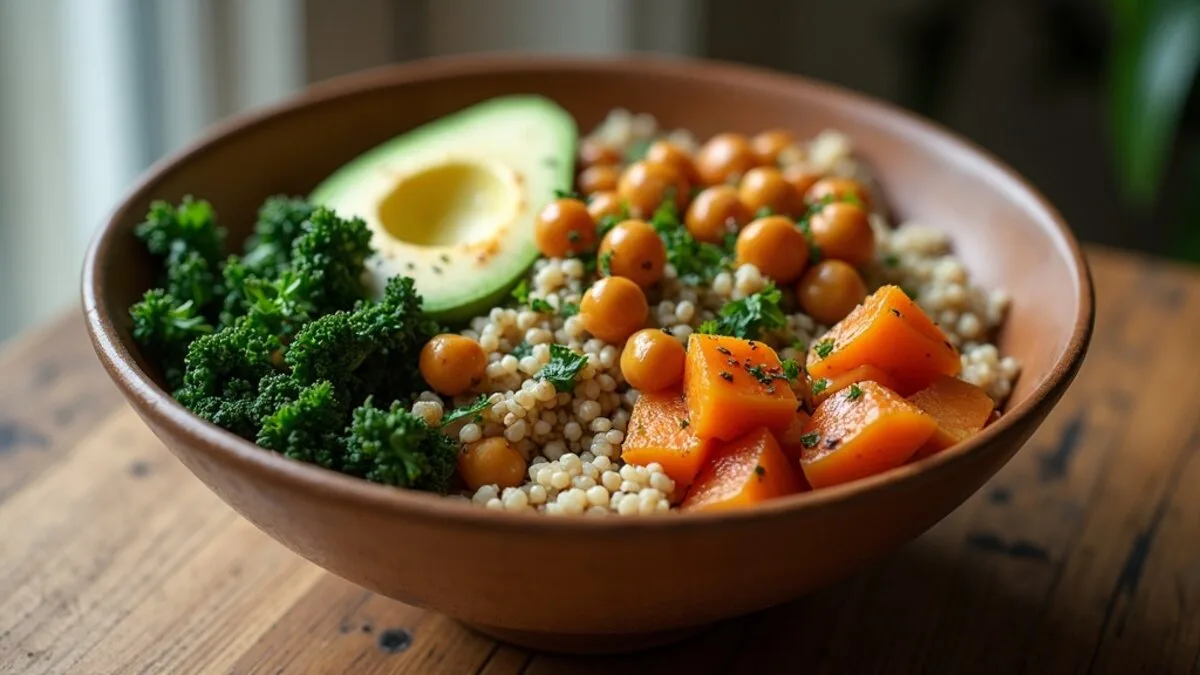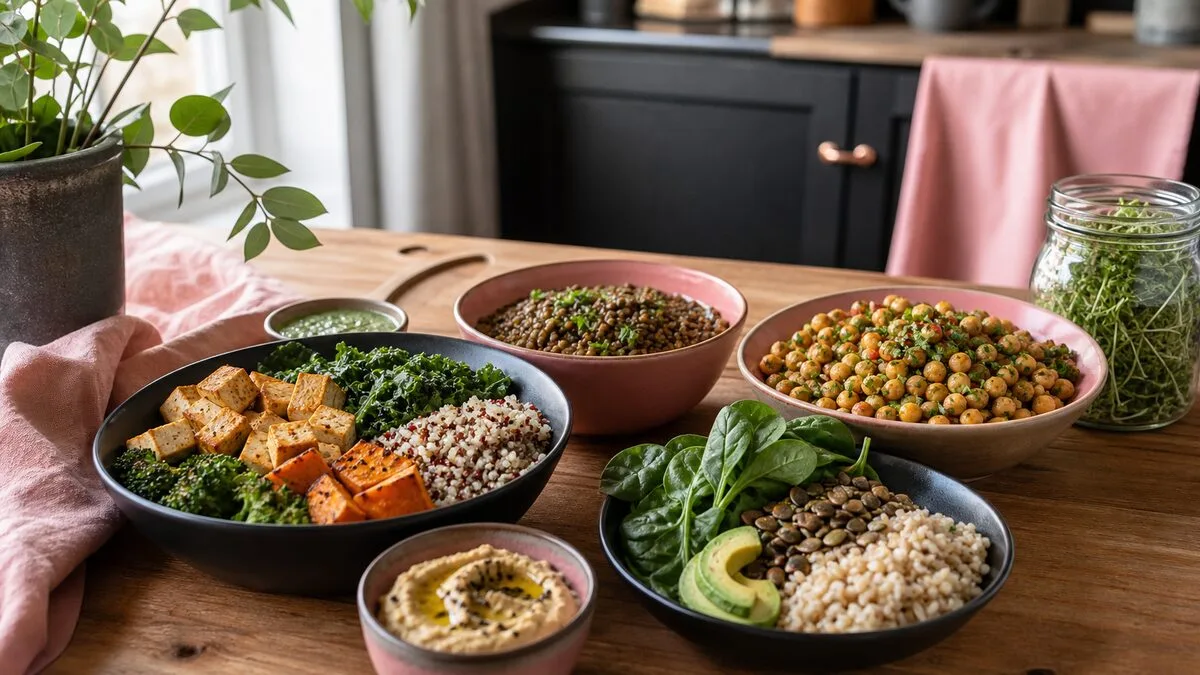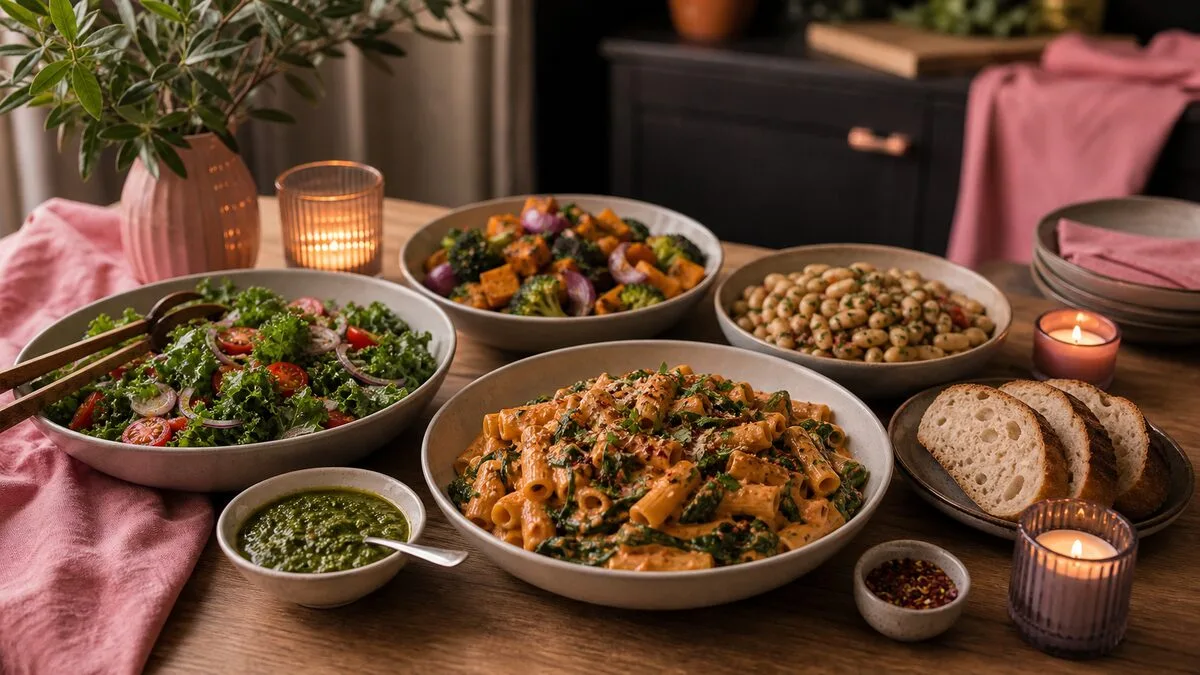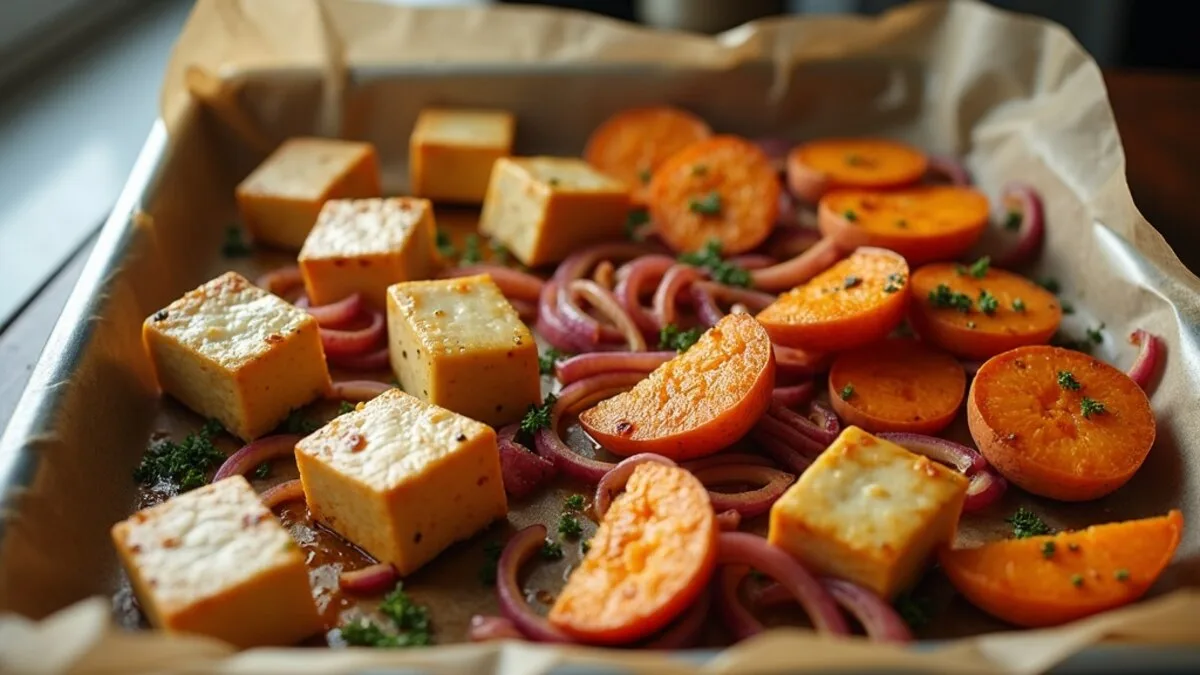
To make a tofu and sweet potato recipe, roast cubed tofu and diced sweet potato together on one sheet pan at 220C (425F), tossed with oil and warm spices, then finish with a sauce once everything is golden. Press the tofu first so it crisps, cut the sweet potato into even pieces so it cooks at the same pace, and give the tray a single flip halfway. Drizzle with tahini, peanut, or miso sauce at the end, and you have a hands-off dinner that doubles easily for high-protein vegan meals through the week.
The tofu and sweet potato recipe, in one tray
The simplest tofu and sweet potato recipe is a sheet-pan one: roast cubed, pressed tofu and evenly diced sweet potato together at 220C (425F), tossed in oil and warm spices, then finished with a sauce once both are golden. That is the whole shape of it. Two patient ingredients, one hot oven, and a drizzle at the end. It became my default weeknight dinner because it asks so little of me and gives back so much.
What I love is the contrast. The tofu turns crisp and savoury at the edges while staying tender inside. The sweet potato collapses into something soft and caramelised, almost candied where it touches the pan. Together they cover sweet and savoury, soft and crisp, in a single mouthful.
Why these two belong together
Tofu is patient and mild. It tastes of whatever you give it, which makes it the perfect quiet partner for sweet potato's natural sugar. The starch in the potato browns into deep, almost toffee-like edges, and that sweetness needs something savoury and a little crisp to balance it. Tofu does exactly that job. One brings protein and bite, the other brings comfort and colour, and a good sauce stitches the two halves into a meal rather than two side dishes sharing a plate.
What you need, roughly
You need a block of firm or extra-firm tofu, one or two medium sweet potatoes, a neutral oil, salt, and a handful of warm spices like smoked paprika, cumin, and garlic powder. That is the base. Everything after that is a variation, a sauce, or a garnish. If you have those few things, you have dinner, and you can lean on this recipe the way I lean on my other vegan dinner recipes when the week has worn me down.
The one rule that matters most
Cut both things so they finish at the same time. Tofu in roughly 2cm cubes and sweet potato in slightly smaller 1.5cm pieces will be done together, because the denser potato needs a small head start that smaller pieces provide. Get the sizing right and the rest of this article is just seasoning and sauce. Get it wrong and you will pull out crisp tofu sitting beside raw, chalky potato. Sizing is quietly the heart of the whole dish.
Choosing and prepping the two stars
Good roasting starts before the oven. The way you choose and prep your tofu and sweet potato decides almost everything about how they brown, so I take a few quiet minutes here and it pays off every time.
Pressing the tofu
Tofu is roughly 80 percent water, and that water is what stands between you and a crisp edge. Wet tofu steams in the oven instead of browning. So I press it. Drain the block, wrap it in a clean tea towel, set it on a plate, lay another plate on top, and weigh it down with a couple of cans for 20 to 30 minutes. If you buy super-firm or high-protein vacuum-packed tofu, you can skip pressing entirely, since it arrives almost dry. For everything else, press it, or at least pat it very dry and give it ten minutes under weight.
Dicing the sweet potato evenly
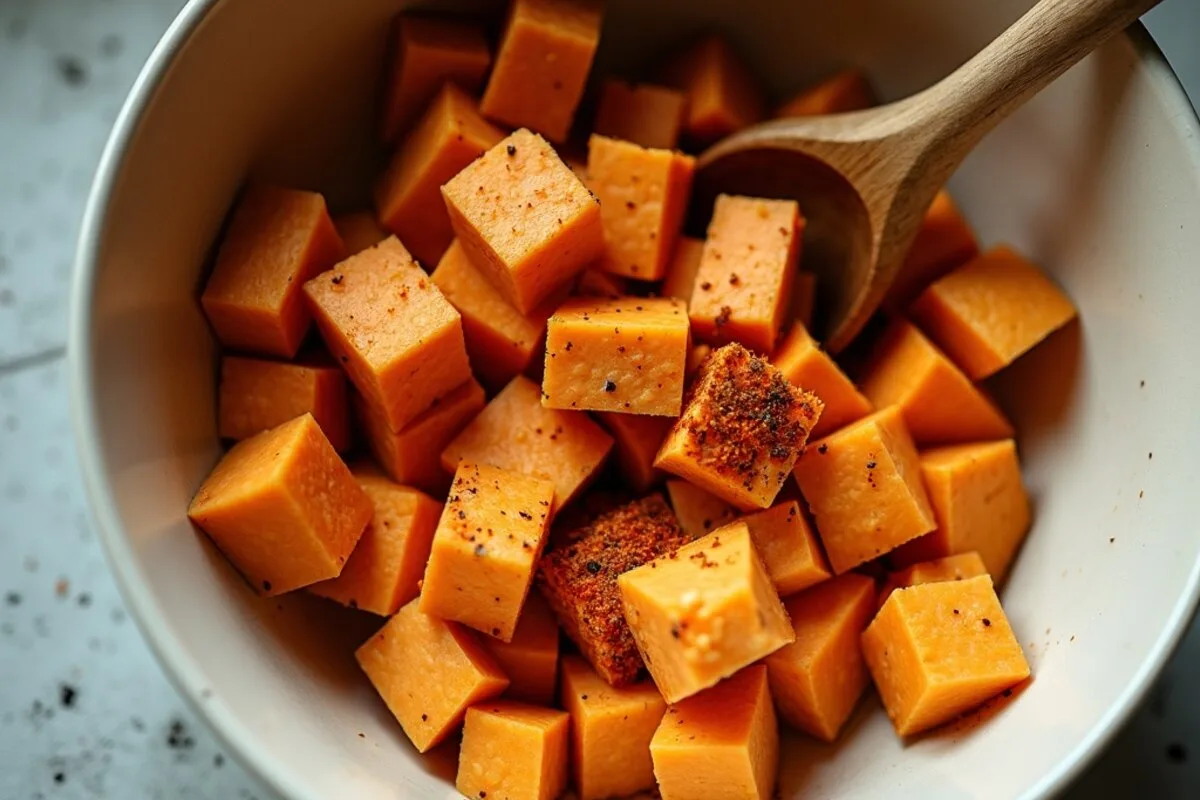
This is the step people rush, and it is the one that ruins the dish. Sweet potato needs to be cut into pieces of a consistent size, or some will scorch while others stay raw in the middle. I peel mine (you can leave the skin on if it is scrubbed and you like the texture), then cut it into even 1.5cm cubes. Keeping them uniform matters far more than keeping them small. Take the extra minute. Lay the potato flat, make even slabs, then even batons, then even cubes. Evenness is the difference between a tray that works and one that frustrates.
The right size for each
Here is my rule of thumb, learned the hard way. Cut tofu into 2cm cubes and sweet potato into 1.5cm cubes. The potato is denser and slower to soften, so making its pieces a little smaller lets both finish together at around 30 minutes. If you prefer larger sweet potato chunks for a softer, fluffier centre, simply give them a 10 minute head start in the oven before the tofu joins them. Either way, the goal is the same: everything tender and golden at the same moment, with nothing left raw or burnt.
A word on the sweet potato itself
Choose firm sweet potatoes with smooth, unbruised skin, and aim for ones of similar thickness so your cubes come out even. Beyond being delicious, sweet potatoes carry a lot of fibre and vitamin A, and if you like the nutrition side of things, Harvard's Nutrition Source on sweet potatoes gives a calm overview. I store them somewhere cool and dark rather than the fridge, where cold turns them oddly hard and dulls their sweetness.
To peel or not to peel
You can go either way. Peeled sweet potato roasts into soft, tidy cubes that suit a polished bowl. Skin left on, well scrubbed, adds a little chew and a rustic edge, plus a touch more fibre. I peel when I want the dish to feel neat and leave it on when I am cooking for myself and care more about ease than looks. Whichever you choose, dry the cut pieces with a towel before they go into the oil, since surface water is the enemy of caramelising, just as it is with the tofu. A few minutes of drying really does change how deeply the edges brown.
The master tofu and sweet potato recipe method
This is the recipe with tofu and sweet potato that I make more than any other, and it is the one to learn first. Master this single tray and every variation below becomes a small tweak rather than a new recipe. The method rewards a hot oven, enough space, and a little patience.
Step by step
- Heat the oven to 220C (425F) and line a large sheet pan with baking paper.
- Press the tofu, then cut it into 2cm cubes. Cut the sweet potato into 1.5cm cubes.
- In a bowl, toss the sweet potato with oil, salt, smoked paprika, and cumin.
- In a second bowl, toss the tofu with oil, salt, garlic powder, and a teaspoon of cornstarch for extra crisp.
- Spread both across the pan in a single layer, keeping the pieces apart and not touching.
- Roast 15 minutes, then flip everything, then roast 12 to 15 minutes more.
- They are done when the tofu is golden and firm and the sweet potato is soft with caramelised edges.
- Drizzle with your sauce of choice, or serve the sauce alongside, and finish with herbs.
Why one layer, never crowded
Crowding is the enemy of browning. When pieces touch or pile up, they trap steam between them and braise in their own moisture instead of roasting. You get pale, soft, sad food. Give everything room. If your pan looks crowded, use two pans rather than squeezing it all onto one. Air needs to move around each cube for the edges to crisp and caramelise. A larger pan, or a second one, is the cheapest upgrade to this dish, and it is the single change that turns soggy into golden.
The cornstarch edge
That teaspoon of cornstarch tossed with the tofu is optional but transformative. The starch dries the surface and, under high heat, sets into a thin, crackly shell that holds its crunch far longer than bare tofu. It is the same trick I rely on in my guide to how to cook tofu, and it carries straight over to the oven. Use a light, even dusting, not a paste. If you see white clumps, you have used too much; toss in a few more cubes or shake off the excess. A whisper of starch is all you need.
Reading the tray
Ovens lie, so trust your eyes more than the timer. The tofu is ready when it is deep gold and feels firm and dry to a poke, not soft and pale. The sweet potato is ready when a fork slides in with no resistance and the edges have gone dark and sticky. If the potato is soft but the tofu is still pale, pull the potato off and give the tofu a few more minutes alone. They usually finish together when cut well, but a quick rescue is easy when they do not.
A sweet potato and tofu recipe bowl version
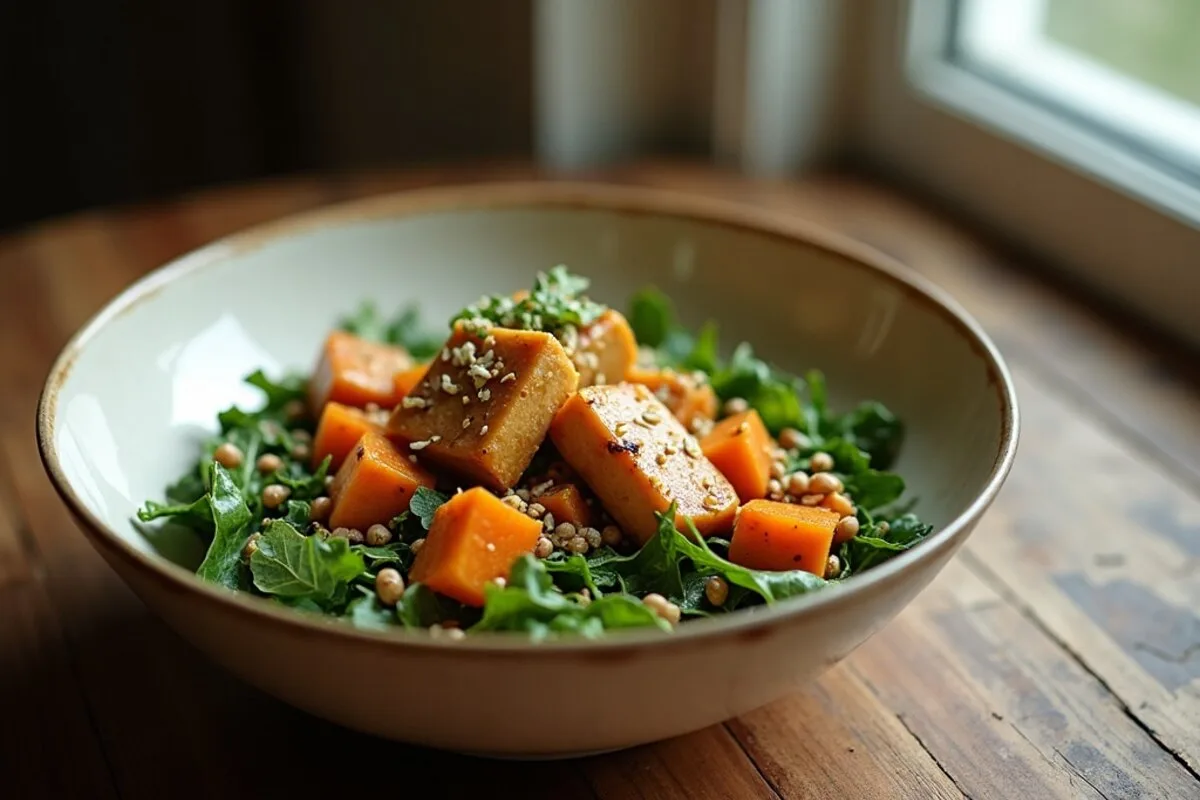
Once you have the roasted tray, the easiest upgrade is to build it into a bowl. This sweet potato and tofu recipe turns the sheet pan into a full, balanced meal with a grain, something green, and a generous drizzle of sauce. It is how I eat the dish most often, because a bowl feels like a proper dinner rather than a snack on a plate.
Building the bowl
Start with a base of cooked grain: brown rice, quinoa, farro, or even couscous on a fast night. Add a handful of something green, raw or quickly wilted, like baby spinach, massaged kale, or shredded cabbage. Pile the roasted tofu and sweet potato on top. Then sauce it generously and scatter over something with crunch and freshness. The structure is always the same, even as the parts change with the season and with whatever is in my fridge.
A formula you can repeat
- Base: a cooked grain, about a cup per bowl.
- Green: raw leaves, wilted greens, or quick-pickled slaw.
- The tray: roasted tofu and sweet potato, the warm heart of it.
- Sauce: tahini, peanut, or miso, poured without restraint.
- Crunch and lift: seeds, herbs, a squeeze of lime, a pinch of chilli.
This is the same thinking behind a good vegan buddha bowl: a base, a roasted centre, something fresh, and a sauce that pulls it together. Once the formula lives in your head, you stop needing the recipe at all.
Making it more filling
If you want the bowl to carry you further, add a second protein or a heartier topping. A spoonful of warmed chickpeas, a scatter of edamame, or a handful of toasted nuts all push the meal toward something that genuinely sustains. Avocado adds richness; a soft-boiled-style marinated tofu adds even more protein. Bowls like this are how I quietly keep my plant-based eating high in protein without thinking about it, and they reheat beautifully for lunch the next day.
A curry and skillet variation
When the weather turns and I want something saucy and warm rather than roasted and crisp, I take the same two ingredients to the stove. This curry and skillet version is a softer, cosier take on the tofu sweet potato recipes I keep in rotation, and it comes together in one pan with a lid.
The one-skillet curry
- Brown pressed, cubed tofu in a little oil in a deep skillet, then set it aside.
- Soften onion, garlic, and ginger in the same pan until fragrant.
- Stir in curry paste or powder and let it toast for a minute.
- Add the diced sweet potato, a tin of coconut milk, and a splash of water.
- Simmer with the lid on for 15 to 18 minutes, until the sweet potato is tender.
- Return the tofu, warm it through, then finish with lime and fresh coriander.
The sweet potato thickens the sauce as it softens, almost dissolving at the edges, while the browned tofu holds its shape and soaks up the spiced coconut broth. It is deeply comforting, and it is one of my favourite vegan comfort food recipes for a cold evening.
A quicker skillet hash
For something faster and drier, skip the coconut milk and make a hash instead. Cook the sweet potato cubes covered for ten minutes so they steam-soften, then uncover, add the tofu and a little more oil, and let everything catch and crisp against the hot pan. Season with smoked paprika and a pinch of chilli. It is rough, golden, and excellent under a fried-style topping or folded into a wrap. This is my answer when I want roasted flavour but do not want to wait for the oven.
Tofu for the freezer trick
For the curry especially, tofu that has been frozen and thawed works beautifully. Freezing turns the water inside into ice crystals that leave behind a spongy, absorbent network when thawed, so the tofu drinks up the spiced sauce like nothing else. Freeze a drained block solid, thaw it, press out the water, then tear it into craggy pieces. It takes on a meatier, chewier texture that stands up to a long simmer and catches sauce in every crevice. It is a small bit of planning that pays off in flavour.
Three sauces that carry the dish
Roasted tofu and sweet potato are good on their own, but the sauce is what turns them into a meal you crave. I keep three on heavy rotation, and each takes about two minutes to whisk together. Make any one of them while the tray roasts and dinner lands without a single dull bite.
Tahini sauce, my default
This is the one I reach for most. Whisk three tablespoons of tahini with the juice of half a lemon, one small grated garlic clove, a pinch of salt, and enough warm water to loosen it into a pourable cream. It starts thick and seizes alarmingly, then smooths out as you add water a spoonful at a time. The nutty, slightly bitter tahini is the perfect foil for the sweet potato's sugar, and it clings to every crevice of the crisp tofu. Add a little maple syrup if you like it rounder, or cumin for an earthier edge.
Peanut sauce, for when I want richness
Whisk two tablespoons of peanut butter with soy sauce, lime juice, a little maple syrup, grated ginger, and warm water to loosen. It is creamy, savoury, and faintly sweet, and it makes the whole bowl taste like something from a takeaway in the best way. A pinch of chilli flakes or a dash of sriracha gives it heat. This is the sauce my family asks for, and it turns a plain tray of roasted vegetables into a dinner people remember and request again.
Miso sauce, deep and savoury
For pure umami, whisk one tablespoon of white miso with rice vinegar, a teaspoon of maple syrup, a little sesame oil, and water to thin. Miso brings a deep, almost meaty savouriness that grounds the sweetness of the potato without any heaviness. It needs little else. A scatter of toasted sesame seeds and sliced spring onion over the top, and the dish tastes considered and complete. Soy foods like miso and tofu are a dependable everyday protein, and you can read a calm overview from Harvard's Nutrition Source on soy.
Sauce, but added at the right time
One small habit matters: add wet sauce after the tofu crisps, never before. Sauce poured onto roasting tofu reintroduces all the moisture you worked to drive out, and the crust softens. So I roast everything until golden, then drizzle the sauce at the table or in the last moments. If I am meal-prepping, I store the sauce separately and combine only when I reheat. Crisp now, sauce last, and the texture survives all the way to a Thursday lunch.
Make-ahead and meal-prep notes
This is a dish built for cooking once and eating across several days, which is half of why I love it. A single tray, doubled, can quietly feed me through most of a working week with almost no extra effort. A few habits keep it tasting good rather than tired.
Roast a big tray, eat all week
Double everything and roast across two pans so nothing crowds. Once cooled, the roasted tofu and sweet potato keep in the fridge for three to four days in a sealed container. This is the backbone of how I approach plant-based meal prep without it feeling like a chore: one focused session on Sunday, then assembled bowls all week. Cook the grains in the same session and you have the two slow parts of dinner already waiting for you.
Store the sauce separately
The single most important meal-prep rule here is to keep the sauce apart from the roasted food. Sauce in contact with cooked tofu overnight softens the crust into something flabby, no matter how well it crisped. Stored separately in a small jar, the tahini or peanut sauce stays fresh, and the tofu firms back up when you reheat it. Combine the two only at the moment you eat. It is a tiny habit that quietly saves the texture of every later meal.
Reheating without ruining it
To bring back the crisp, reheat the tofu and sweet potato in a hot dry pan, a 200C (400F) oven, or an air fryer for a few minutes. Avoid the microwave for the tofu, since it steams the crust soft again, though it is fine in a pinch when you only care about being warm and fed. Once hot, add fresh sauce, a squeeze of lime, and some herbs, and a reheated bowl tastes nearly as good as it did fresh from the oven.
What freezes and what does not
The cooked sweet potato freezes reasonably well and is lovely stirred into a later curry or soup, though it softens further. Crisp roasted tofu does not freeze well after cooking, since it loses its texture entirely. If you want a freezer stash, freeze the tofu raw instead, then thaw and roast it fresh. For most weeks, though, I find a fridge batch covers me, and I would rather eat it crisp within a few days than fish it, sad and soft, out of the freezer.
Serving, pairing, and small touches
However you cook it, the last few minutes are where a good tray of tofu and sweet potato becomes a meal you remember. The toppings, the sides, and the way you slow down to eat it all matter more than they seem to.
Finishing touches that lift it
- Fresh herbs: coriander, parsley, or mint, torn over at the end.
- Acid: a squeeze of lime or lemon to cut the sweetness and richness.
- Crunch: toasted seeds, chopped nuts, or crispy fried onions.
- Heat: chilli flakes, sliced fresh chilli, or a spoon of chilli crisp.
- Salt at the end: a pinch of flaky salt over the tofu while it is hot.
Each of these is small, but together they take the dish from fine to genuinely good. I almost never serve the tray plain; the toppings are where the personality lives.
What to serve it with
On its own with a sauce, this is a light dinner. To make it heartier, serve it over grains, fold it into warm flatbreads, or pile it next to a simple salad and some hummus. It also plays well as part of a larger spread, sitting happily beside other roasted vegetables and a grain. The flavours are warm and adaptable, so it slots into almost any plant-based table without clashing. I have served it at quiet weeknight dinners and at relaxed weekend lunches with friends, and it suits both.
Eating it slowly
One last, gentle thought. A dish this comforting deserves to be tasted rather than rushed. When I remember to slow down, notice the contrast of crisp tofu and soft sweet potato, and actually chew, even a simple tray dinner feels nourishing in a way that goes beyond the food. A little mindful eating turns a fast weeknight meal into something restorative. The cooking is easy. Letting yourself enjoy it is the part worth practising.
Why this dish earned a permanent place
I keep coming back to this tray for reasons that have little to do with novelty. It uses two cheap, sturdy ingredients I almost always have. It needs one pan and very little watching. It scales up without complaint, reheats well, and bends to whatever sauce or spice my mood asks for. On a busy week it is dependable in a way fancier dinners are not. There is real comfort in a recipe that never lets you down, and over the years this one has quietly become exactly that for me.
The short version
Press the tofu, dice the sweet potato evenly and a touch smaller, roast hot on one uncrowded tray, and sauce it at the end. Hold those four things in mind and the rest is just preference. This is the recipe I come back to when I am tired and want something honest and good, and I hope it earns a quiet place in your week the way it has in mine.
Common questions
Do tofu and sweet potato go together?
Yes, they are a natural pair. Sweet potato is soft and naturally sweet, caramelising at the edges when roasted, while tofu is savoury and crisp. The contrast of sweet and savoury, soft and crisp, makes them work beautifully on one sheet pan. A nutty tahini or peanut sauce ties the two together into a complete meal.
Should I press tofu before roasting it?
Press firm or extra-firm tofu before roasting if you want it crisp, since the drier surface browns far better. Wrap the block in a towel and weigh it down for 20 to 30 minutes. You can skip pressing with super-firm or high-protein vacuum-packed tofu, which arrives almost dry. A light cornstarch coating helps the tofu crisp even more in the oven.
How long to roast tofu and sweet potato?
Roast both at 220C (425F) for about 28 to 30 minutes total, flipping once halfway through. Cut the tofu into 2cm cubes and the sweet potato slightly smaller at 1.5cm so they finish together, since the potato is denser and slower to soften. The tofu is done when golden and firm, and the sweet potato when soft with caramelised edges.
Can I make this tofu and sweet potato recipe ahead?
Yes, it is excellent for meal prep. Roast a double batch, then store the tofu and sweet potato in the fridge for three to four days. Keep any sauce in a separate jar so it does not soften the crisp tofu. Reheat in a hot pan, oven, or air fryer to bring back the texture, then add fresh sauce and herbs before serving.
What sauce goes with roasted tofu and sweet potato?
Tahini, peanut, and miso sauces all work wonderfully. A lemon-tahini drizzle is my default, since the nutty bitterness balances the sweet potato's sugar. Peanut sauce adds creamy richness, and miso brings deep savoury umami. Whisk any of them in a couple of minutes and add it after the tofu crisps, never before, so the crust stays intact.